Confusion over Trump's new tariff exemption
Tariff exemptions announced on electronics like smartphones and laptops are only a temporary reprieve until the Trump administration develops a new tariff approach specific to the semiconductor industry, US Commerce Secretary Howard Lutnick said.
White House officials, including President Donald Trump himself, spent the weekend downplaying the significance of exemptions that lessen but won’t eliminate the effect of US tariffs on imports of popular consumer devices and their key components.

“They’re exempt from the reciprocal tariffs but they’re included in the semiconductor tariffs, which are coming in probably a month or two,” Lutnick told ABC’s “This Week”.

Trump added to the confusion hours later, declaring on social media that there was no “exception” at all because the goods are “just moving to a different” bucket and will still face a 20 per cent tariff as part of his administration’s move to punish China for its role in fentanyl trafficking.

The Trump administration had said it would exclude electronics from broader so-called reciprocal tariffs, a move that could help keep the prices down for phones and other consumer products that aren’t usually made in the US.

China’s commerce ministry in a Sunday statement welcomed the change as a small step even as it called for the US to completely cancel the rest of its tariffs.
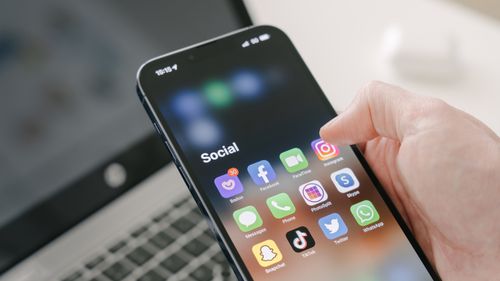
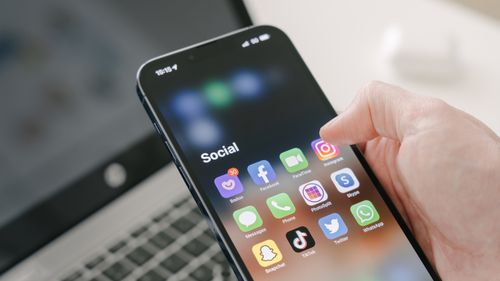
Electronics goods such as the iPhone are exempt according to the latest tariff announcements.(AP)

On Air Force One Saturday night, President Donald Trump told reporters he would get into more specifics on exemptions on Monday. In his post Sunday on TruthSocial, he promised the White House was “taking a look at Semiconductors and the WHOLE ELECTRONICS SUPPLY CHAIN.”

Some had assumed the exemption filed night reflected the president’s realisation that his China tariffs are unlikely to shift more manufacturing of smartphones, computers and other gadgets to the US any time soon, if ever.

The administration has predicted that the trade war prod Apple to make iPhones in the US for the first time, but that was an unlikely scenario after Apple spent decades building up a finely calibrated supply chain in China.

It would take several years and cost billions of dollars to build new plants in the U.S., burdening Apple with economic forces that could triple the price of an iPhone and torpedo sales of its marquee product.

Neither Apple nor Samsung responded to requests for comment over the weekend. Nvidia declined to comment.


You May Also Like

US-Iran Peace Talks at Risk: Key Issue Threatens Progress Through 2028

in brief Nuclear capabilities, sanctions, and the Strait of Hormuz remain sticking…
More than 17.2 million Aussies are enrolled to vote in the election on Saturday May 21, with thousands already having their say in pre-polling centres (pictured, voters in Sydney in 2019)

Australia Election 2022: The Financial Penalty for Non-Participation in Voting

Australians are navigating some of the most stringent compulsory voting regulations worldwide,…
David Jones' average overdue payments to suppliers were 16 days - more than double the industry average, according to a new report by a commercial credit agency

Iconic Australian Business Faces Uncertain Future Amid Alarming Repayment Delays

Concerns have been sparked about the longevity of one of Australia’s most…
Pedestrians and office workers walk through the Sydney CBD.

Revolutionizing JobSeeker: Unprecedented Overhaul Promises Transformative Benefits

The JobSeeker program is set to undergo its most significant transformation in…
'I'm still shaking': Villagers found alive after week trapped in cave

Survivors Rescued After Week-Long Ordeal Trapped in Cave

Five villagers stuck in a flooded cave in central Laos for more…

Solomon Islands’ New Prime Minister to Make Landmark Visit to Australia

Stay informed about the world with our reliable coverage. Receive complimentary daily…
Shoppers at Pitt Street Mall in Sydney.

Australians Poised for Temporary Respite Amid Current Challenges

Encouraging inflation statistics might provide relief to borrowers weary of potential rate…

Iran Accuses US of Ceasefire Breach Amid Intensified Israeli Strikes on Lebanon

In brief Iran says US strikes represent a “gross violation” of a…
White House transformed, but this isn't for the ballroom

White House Undergoes Exciting New Makeover—And It’s Not for Dancing

Images have emerged showing a UFC octagon taking shape on the lawn…

Rescue Team Nears Group Trapped for Days in Laos Cave

in brief Seven people have been trapped in a cave in Laos’…
The husband, wife, and three children who were inside this Sapphire Place home at Eagle Vale have been left terrified.

Terrifying Case of Mistaken Identity Shakes Local Family

A family residing in Sydney’s south-west is reeling from shock after their…
In a special episode of the Daily Mail's Palace Confidential, royal editor Rebecca English tours an exhibition which charts Queen Elizabeth's historic reign through clothes, guided by its curator, Caroline de Guitaut. To mark what would have been the monarch's centenary, Queen Elizabeth II : Her Life in Style puts many of her most iconic outfits and accessories on public display for the first time at The King's Gallery, Buckingham Palace. Among the pieces visitors can study up close is the historic gown from the Queen's 1953 coronation, created by royal couturier and longtime collaborator Sir Norman Hartnell. Hartnell was given around eight months to realise his vision for the outfit, eventually presenting the monarch with eight separate designs to choose from.

Queen Elizabeth’s Unique Coronation Dress Request Revealed

In a unique episode of the Daily Mail’s Palace Confidential, royal editor…