
Thousands of insomnia sufferers may be missing out on a groundbreaking treatment – simply because doctors don’t know it exists, experts warn.
Daridorexant was approved for use on the NHS in 2023 after trials showed it causes fewer side-effects and is less addictive than traditional sleeping pills.
It was heralded as a replacement for sleep medications such as benzodiazepines – including temazepam, loprazolam and nitrazepam – as well as so-called Z-drugs such as zolpidem and zopiclone, which slow brain activity to induce drowsiness.
While effective, these drugs often leave patients with a next-day ‘hangover’, feeling groggy or tired. Experts also warn they can be highly addictive.
Unlike sedatives, daridorexant – sold under the brand name Quviviq – targets a chemical in the brain that promotes wakefulness. Experts say it acts ‘like a roadblock’, preventing these signals from keeping the body alert.
As a result, it doesn’t cause the grogginess or dependency issues linked to the older drugs.
Yet despite NHS spending watchdog the National Institute for Health and Care Excellence (NICE) giving the drug the green light, many patients with chronic insomnia say they still can’t access it.

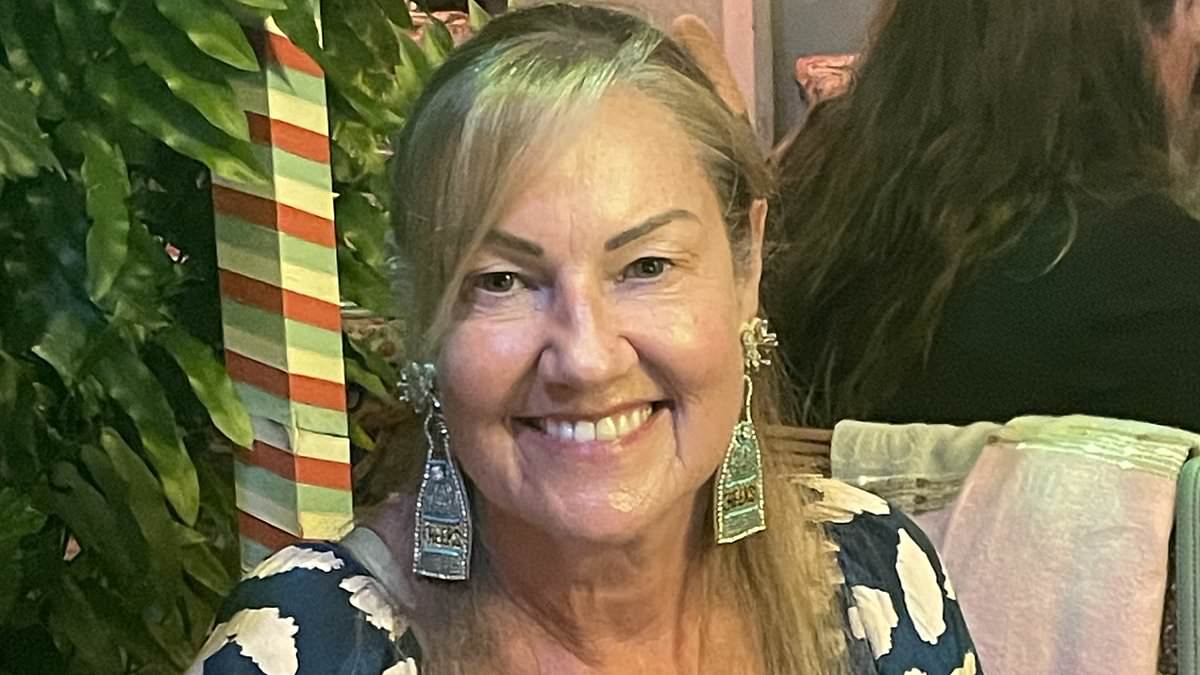
Grace McMillan, who was surviving on just two-and-a-half hours of sleep a night, says the drug has transformed her life
Among them is Grace McMillan, 62, who says she was surviving on just two-and-a-half hours of sleep a night. Her insomnia affected every part of her life and her mental health. ‘I tried everything known to man – every sleep app, every spray,’ said the finance consultant from Kent.
When things got really bad, she would reluctantly take sleeping pills prescribed by her GP. Like millions of others, Grace was given zolpidem. ‘I’d take one every ten days or so, just to knock me out because I was so exhausted,’ she said. ‘But I hated it – I’d feel groggy the next day.’
So when a friend, also an insomnia sufferer, mentioned daridorexant, Grace was eager to try it.
But her GP refused to prescribe the drug, citing concerns that it hadn’t been properly tested. Frustrated, she turned to a private clinic. Three months on, after taking the pill nightly, Grace insists it has transformed her life.
‘I can sleep for nearly five hours without stirring,’ she said. ‘That’s more than I’ve ever had.’
Alice Brooks’ GP also turned her down when she sought the medication last year. Her insomnia had worsened over the five years prior to the point where, some nights, she would lay wide awake until 5am.
To get some relief, the 78-year-old would take a two-week sleeping ‘holiday’ each year – allowing herself a fortnight of sleeping pill-induced slumber.
Like Grace, she had tried ‘everything under the sun’ – without success. And when Alice asked her doctor for daridorexant, she was told it wasn’t available in her area of Wirral.
After appealing to her health board, which oversees treatment access, she finally received a prescription – and says it’s been a game changer. ‘I now look forward to going to bed. I take the tablet at 11, get into bed with my book, and I’ve usually dozed off by quarter to 12. It’s massively improved my quality of life.’

Often, insomniac patients are told by their GP that daridorexant – sold under the brand name Quviviq – isn’t available and are forced to go to a private clinic to get the drug
Grace and Alice may have found relief, but many more are still missing out on the drug, experts say. ‘Insomnia is such a prevalent condition – nearly a third of adults experience symptoms at some point,’ said Dr Allie Hare, consultant physician in respiratory and sleep medicine and president of the British Sleep Society.
‘More needs to be done to educate primary care doctors about insomnia, and the treatment options available to patients.’
More than five million people in the UK are thought to suffer from chronic insomnia, which is defined as struggling to fall or stay asleep at least three nights a week for more than three months.
GPs are increasingly cautious about prescribing sleeping pills due to concerns about tolerance – where patients need higher doses to feel the same effect – and addiction. Long-term use of traditional sleeping pills has been linked to increased risks of dementia, falls and impaired concentration – which can be particularly dangerous when driving.
NHS guidelines recommend cognitive behavioural therapy, a form of psychotherapy, as the first-line treatment for insomnia.
Dr Hare agrees this should be the starting point, but for patients who don’t respond, daridorexant offers a valuable alternative.
‘The novel way it works means it doesn’t cause a hangover,’ she said. ‘It also seems to work better throughout the night, making it better for people who can fall asleep easily but can’t get back to sleep if they wake up.’
But if your GP hasn’t heard of it, or simply doesn’t feel comfortable prescribing it, don’t lose hope, insists Dr Hare.
‘Direct your GP to the NICE guidance, which is very clear on daridoxerant’s place in the treatment of insomnia,’ she said.
‘If this doesn’t work, contact your NHS board – which decide on the availability of certain medications – and make an appeal.
‘Patients should always be able to advocate for themselves – just make sure you’re armed with all the information you need.’