
Lying peacefully on the bed the man smiled and quietly exclaimed he wanted his new mattress to be more comfortable than a coffin. Looking like he’d lived a good but tough life, he explained it would be the last mattress he would ever buy so he had a fair few pennies to spend on it. We were in a bed shop just a few months before the pandemic hit. But he wasn’t talking to me. He was talking to a sales person. I gave my shop assistant a much less poetic line about why I was in a bed shop on a Wednesday afternoon: I was moving into a flat and needed a mattress.
That was approximately five-and-half years ago. Back then I didn’t realise the mattress I bought that day may be the last one I ever buy. It’s recommended to replace a mattress every seven years (this might be like the diamond rules) so officially I should get a new one in January 2027.
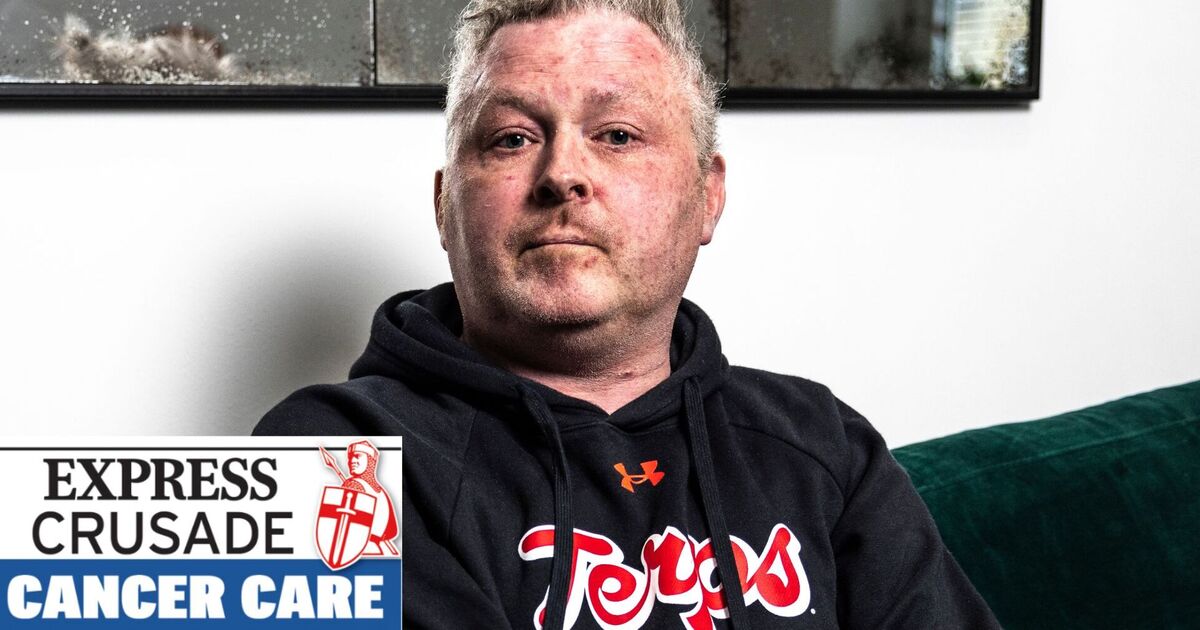
That will be three-and-half years after I was diagnosed with incurable bowel cancer. Supposedly only 11% of people with this diagnosis last longer than five years – so is it really worth buying a bed I’m only going to use for 18 months?
I had a similar thought when I bought a new phone this week (by new I mean refurbished).
My main reason for getting a newish phone is so it works properly with all the apps and devices I need to record video clips while documenting my cancer “journey” for a series you’ll find on the Daily Express’s social media channels.
But it did make me think. Is it really the last phone I’ll ever buy?
I always try and keep my things nicely, including having the same record player since 1996, and I got my previous phone in 2019, so the big question is whether I can last until 2031 to upgrade to whatever fancy pants Android phone is available then.
But life as a cancer patient is less about fancy pants and fitting screen protectors to refurbished phones.
It’s more about asking questions about “what if this is my last?” but not knowing who to turn to for answers.
Cancer patients have a lot of questions about their emotional wellbeing. Staff at their hospitals say “get in touch with us if you need anything” but never say whether that’s with a particular person, or if the “us” is code for “phone the switchboard and we’ll cut you off” so who will actually give them answers?
Cancer patients need emotional support from their medical teams just as much as they need physical care.
This is why we are running the Cancer Care campaign at Daily Express, to ensure everyone battling the disease gets mental health support both during and after treatment.