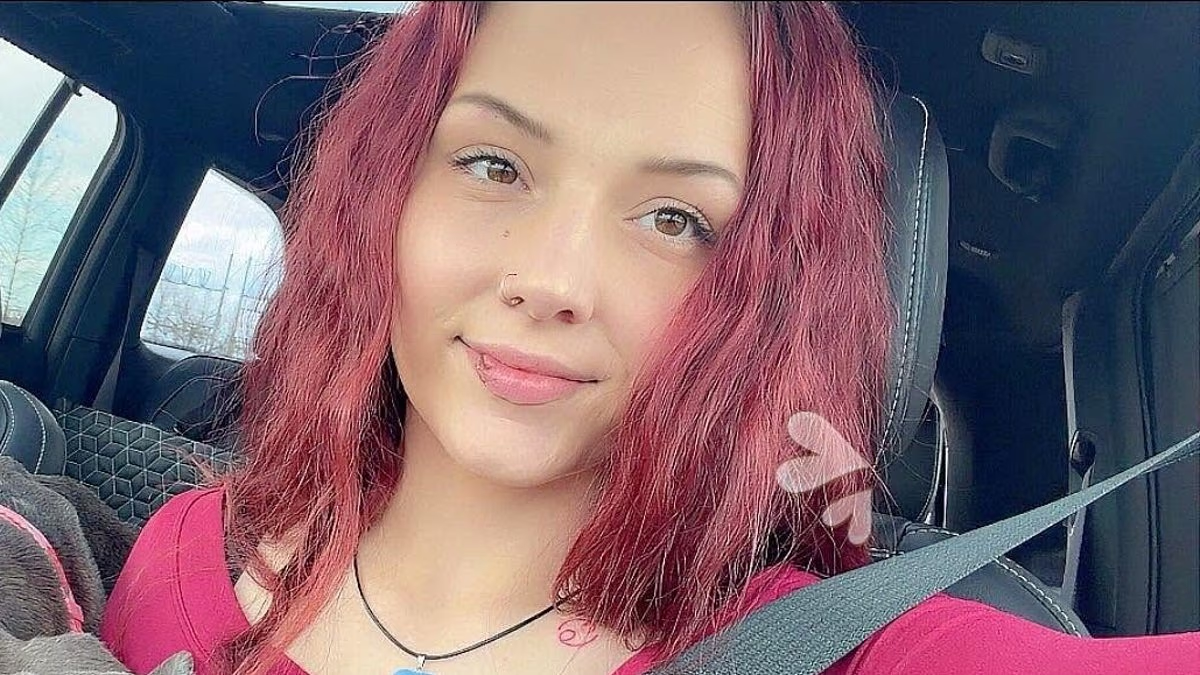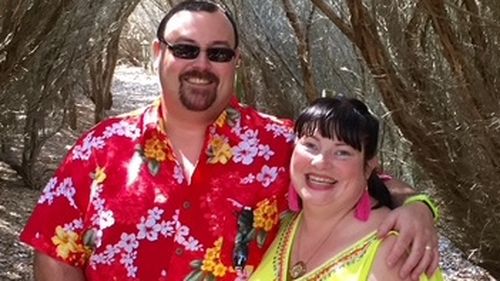

Exclusive: Dyan Henry, 45, was about to do the school pickup run when an alarm sounded.
It was her continuous glucose monitor (CGM) alerting her that her blood sugar was dangerously low.
Henry manages insulin-dependent type 2 diabetes but does not exhibit typical low blood sugar signs until it’s too late, potentially leading to disorientation or fainting.
“Having a visual of your blood sugar levels, knowing the direction they’re heading, and having an alarm associated with that … it has been transformative,” she explained.
Henry claimed her health was better in the two weeks she trialled that CGM than it has been in decades.
But without an NDSS subsidy, she can’t afford to pay for them long-term and she fears her health will decline again.
“Sometimes it comes down to: we can afford a monitor, or we can afford the insulin. You can’t fight over that when you really need both.”
Barely getting by, physically and financially
During this National Diabetes Week (July 13–19), Henry urges the NDSS to modify the current CGM subsidy to support Australians with insulin-dependent type 2 diabetes.
Many Australians living with type 2 diabetes experience stigma and feel shamed for “bringing the disease upon themselves”.
Henry feels this stigma is part of the reason why people living with type 2 diabetes are not yet eligible for subsidised CGMs.
With so many people already struggling to make ends meet in the cost-of-living crisis, they shouldn’t be made to choose between their health and paying rent.
“I don’t see why it can’t be subsidised for both groups,” Henry said.
“A lot of people who make the decisions have never experienced it, but [CGMs] saved my life and I know they could save so many other lives.”
About one in 15 Australian adults currently lives with diabetes, according to Australian Bureau of Statistics (ABS) data, and the number requiring insulin is expected to rise.
Henry was 33 when she lost her mother, who also suffered from diabetes, and doesn’t want her own child to go through the same thing.
“I don’t want to be hospitalised for a diabetes complication or, heaven forbid, die from one because of something that was unaffordable.”