
() Top U.S. brands have promised to ditch synthetic food dyes, but some think federal regulators should be doing more to make it happen.
Thomas Galligan, the principal scientist for food additives at the Center for Science in the Public Interest, is skeptical of the Food and Drug Administration’s voluntary approach, which asks companies to phase out petroleum-based synthetic dyes rather than requiring it.
“They’re not mandating that companies do that, even though we have the evidence we need, and the FDA has the authority to do so,” Galligan said.
A complete ban isn’t the only option. The FDA could require warning labels on products containing synthetic dyes a step Galligan says would both inform consumers and pressure companies to reformulate.
Health Secretary Robert F. Kennedy Jr. has been pushing to remove synthetic dyes from the nation’s food supply over potential health risks, citing research linking them to behavioral problems in children. But so far, Kennedy and the FDA have favored a carrot-over-stick approach, urging food companies to act on their own.
That strategy appears to be yielding results: food giants like Kraft-Heinz, Nestle, General Mills and others have all pledged to phase out artificial dyes in the coming years. Earlier this week, dozens of U.S. ice cream makers agreed to do the same.
According to the FDA, about 40% of the food industry has committed to voluntarily phase out synthetic dyes since Kennedy launched the effort in April.
Still, it’s unclear whether companies will face any consequences if they fail to follow through.
When asked about the potential implications for those who don’t comply, FDA commissioner Dr. Marty Makary told : “I think you win more bees with honey than you do with fire.”
Makary continued: “We’re starting off with a very diplomatic approach, making this request on behalf of the public. Remember, this is a very popular issue among parents in the United States.”
Galligan whose research shows as many as 1 in 5 packaged foods and drinks contain synthetic dyes isn’t celebrating just yet.
“Sweeping promises, big announcements, are very easy,” he said. “It’s much harder to actually do the work to reformulate these products.”
Brian Ronholm, director of food policy at Consumer Reports, has also called on the FDA to take stronger action.
“We need an enforceable ban on harmful synthetic food dyes,” Ronholm wrote in April. “Consumers shouldn’t have to wait and rely on this industry to act voluntarily after years of resistance.”
At the same time, the FDA is working to make the transition easier by approving more natural alternatives. In the past two months alone, the agency has cleared four new dyes derived from natural sources for use in foods.
The hidden hurdles of ditching synthetic dyes
Companies have continued to use synthetic dyes because they’re good for business.
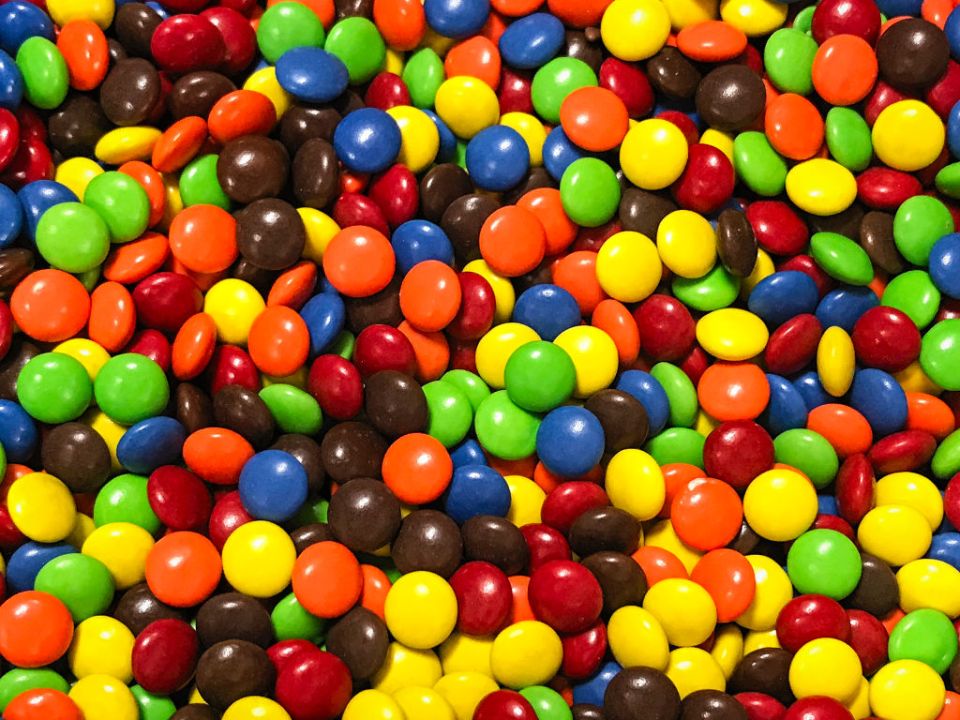
American candy giant Mars decided to keep synthetic dyes in treats like Skittles and M&M’s after backing off a 2016 plan to remove all artificial colors from its food portfolio.
The company reversed course after discovering that consumer attitudes vary by country, with Europeans largely opposed to synthetic dyes, while consumers elsewhere preferred artificially colored treats, according to the Mars website.

Galligan’s recently published study found confectionery companies had the most products containing synthetic dyes suggesting some food makers may be less willing than others to opt in.
When asked whether candymakers intend to remove synthetic dyes from their products, a spokesman for the National Confectioners Association, a trade group, told that companies are “looking at their options.”
“We follow and will continue to follow regulatory guidance from the authorities in this space, because consumer safety is our chief responsibility and priority,” the spokesman, Christopher Gindlesperger, said in a statement.
Gindlesperger added that companies need time to find alternatives to synthetic colors, noting that reformulating products is a lengthy process and comes with “significant costs.” He said there aren’t enough natural colors to meet demand, which could drive up prices if there isn’t an “adequate transition period.”
In some states, food makers will have to adapt quickly, whether they’re ready or not.
Most artificial food dyes will be banned in West Virginia starting in 2028, while California and Virginia have banned six artificial dyes from school food.
Meanwhile, beginning in 2027, Texas will require warning labels on foods or beverages made with any of more than 40 dyes or additives.
Earlier this year, shortly before President Donald Trump took office, the FDA banned the dye called Red 3, nearly 35 years after it was barred from cosmetics because of potential cancer risk.


