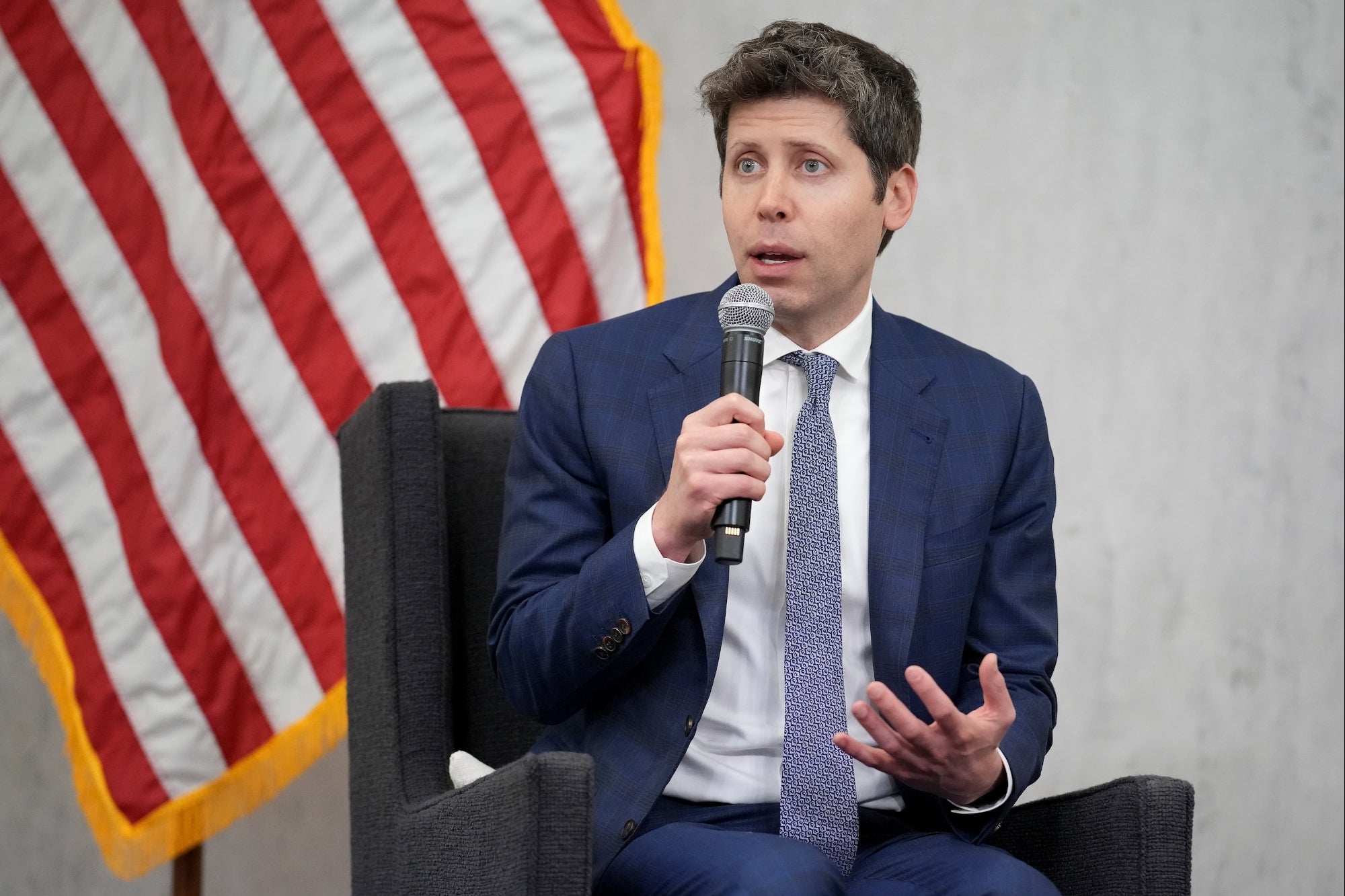

Sam Altman, the CEO of OpenAI, recognizes that AI has the potential to transform the job market and permanently eliminate certain positions. However, rather than concentrating on the implications for recent college grads, Altman is more worried about how this technology will affect those nearing retirement.
In a podcast episode of “Huge Conversations” with Cleo Abram, released last week, Altman said that he was “more worried” about what AI meant for “the 62-year-old that doesn’t want to go retrain” than the “22-year-old” just graduating college. The reason? Young people are “the best” at readily adjusting to changes brought on by technology, even when that technology replaces jobs.
“I think it’s totally true that some classes of jobs will totally go away,” Altman said on the podcast. “This always happens, and young people are the best at adapting to this.”
Altman mentioned that if he were 22 years old and just finishing college, he would be excited and “feel like the luckiest kid in all of history” because of the new opportunities that AI provides. Recent grads can use AI to start new companies, write code, and fill in any gaps in their skills.
“You have access to these tools that can let you do what used to take teams of hundreds,” Altman said.
But for older workers, it can be difficult to upskill and learn how to use AI. According to an AARP survey released last year, the majority of Americans age 50 and older (85%) have heard of AI, but less than 33% are enthusiastic about it. Only two in five older workers claim to be knowledgeable about the technology. Another survey in May found that 31% of older employees see AI both as a threat and an opportunity. Under the threat category, most respondents (61%) indicated that AI had the potential to replace workers.
Even if Altman isn’t worried about AI’s impact on college graduates, other CEOs are sounding the alarm. In May, Dario Amodei, the CEO of Anthropic, predicted that AI would wipe out half of all entry-level, white-collar jobs within the next five years. Billionaire Mark Cuban had a softer prediction, stating in the same month that AI would replace jobs, but lead to more employment overall.
Altman said on the podcast that AI makes it now possible for one person to create a company entirely on their own that will reach unicorn status, or achieve a valuation of $1 billion or more, for the first time. That person can create a product or service that adds value to the world by learning AI tools and using them to formulate novel solutions, Altman said.
“You have access to these tools that can let you do what used to take teams of hundreds,” Altman stated on the podcast.
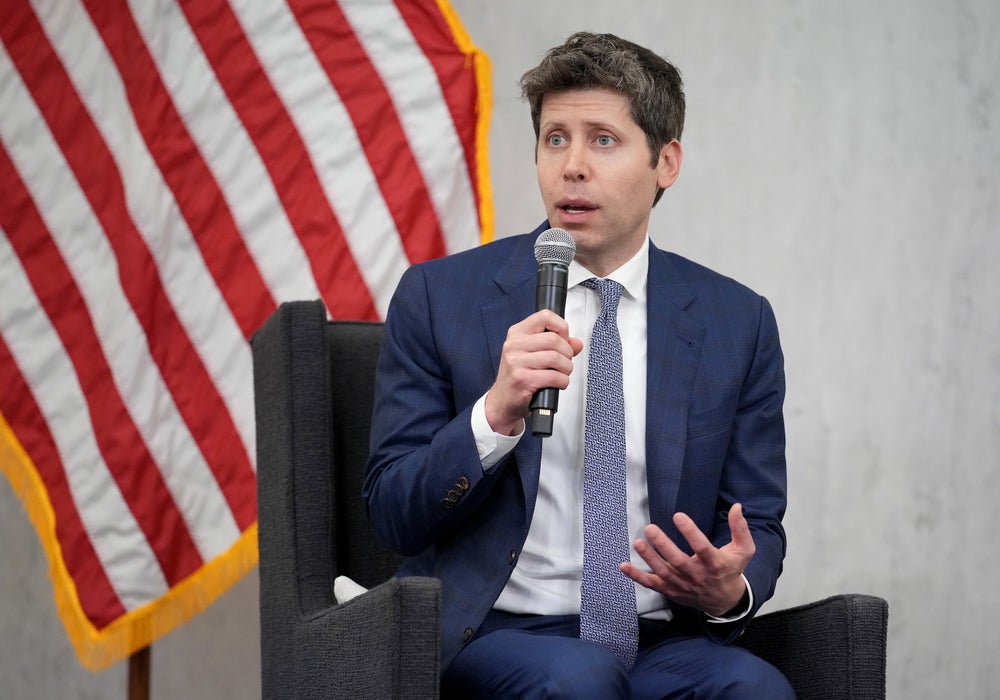 OpenAI CEO Sam Altman. Photo by Andrew Harnik/Getty Images
Meanwhile, Nvidia CEO Jensen Huang recently said that AI opens the doors to users (of all ages) by equalizing the playing field of technology, allowing anyone to create code with natural language prompts pushed through an AI code editor. He said that lets users create new products and services, and in turn creates more chances to generate revenue. Huang cautioned, though, that employees who don’t use AI will be replaced by those who can use the technology.
Nvidia, which is the most valuable company in the world by market cap, produces AI chips that power OpenAI’s ChatGPT.
ChatGPT was on track to reach 700 million weekly active users last week.
Join top CEOs, founders and operators at the Level Up conference to unlock strategies for scaling your business, boosting revenue and building sustainable success.
OpenAI CEO Sam Altman acknowledges that AI can change the workforce and replace some jobs for good — but instead of focusing on AI’s effects on recent college graduates, Altman is more concerned about the technology’s impact on soon-to-be retirees.
In a podcast episode of “Huge Conversations” with Cleo Abram, released last week, Altman said that he was “more worried” about what AI meant for “the 62-year-old that doesn’t want to go retrain” than the “22-year-old” just graduating college. The reason? Young people are “the best” at readily adjusting to changes brought on by technology, even when that technology replaces jobs.
The rest of this article is locked.
Join Entrepreneur+ today for access.


