
One in three Britons expect to become unpaid carers within the next ten years, yet almost half admit they wouldn’t know where to seek help when the time arrives. A poll of 2,000 individuals showed that two-thirds worry about providing increasing levels of care for aging parents or loved ones as their health declines.
Unpaid carers often handle tasks like cooking, cleaning, and other domestic duties, along with aiding in washing, dressing, and mobility. In addition, two-thirds considered organizing medical appointments – such as eye tests and hearing checks – an essential part of being a carer.
Only 39 percent said they would know where to find support for friends and family who can’t leave their homes unaided, while 46 percent are unaware of the available services.
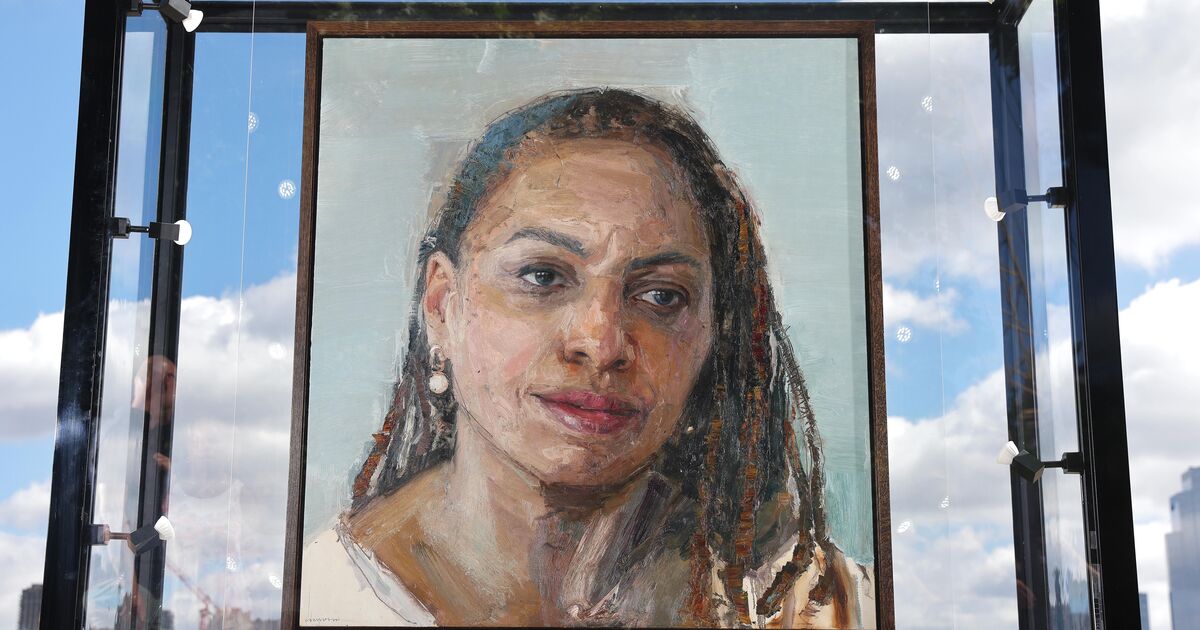
The study, commissioned by Specsavers Home Visits for its Most Valuable Portrait campaign, aims to honor the hidden contributions of unpaid carers through a portrait painted by renowned artist Colin Davidson.
The research found that two-thirds (67 percent) believe unpaid carers don’t receive the recognition or support they deserve, even though their efforts are valued at roughly £184 billion annually for the UK economy, according to Carers UK.
The portrait features carer Jaycee Le Bouche and aims to highlight carers’ selflessness and dedication. The artwork has been symbolically ‘priced’ at £184 billion by the auction house Roseberys, reflecting the value of the UK’s invisible care system.
Chris Smith, director of Specsavers Home Visits, said: “When a loved one becomes ill, it can turn your life on its head – both practically and emotionally.
“Many people become carers overnight, with no training and little idea where to turn, which can be overwhelming, especially while juggling work and a personal life in tandem.”
A third would feel more at ease talking about future care if they understood what choices were on offer, the survey found, carried out through OnePoll.
Whilst 29 per cent would be more willing if they had a better grasp of the financial consequences of failing to plan ahead.
The study also showed two in three frequently consider whether they might eventually require care themselves. Four in ten stated a significant life event would prompt them to start such discussions with family members.
Chris Smith added: “Unpaid carers shouldn’t have to do it alone. That’s why we’re doing our bit through our Home Visits service – delivering essential eye and ear care at home to help ease the load and support both carers and those they look after.”