AUSTIN (KXAN) — During the July 4 Hill Country flooding, why did some camps opt for evacuation while others, such as Camp Mystic, remained in place? Researchers from the University of Texas at Austin aim to uncover the reasons behind these decisions.
Coinciding with Gov. Greg Abbott’s anticipated signing of bills focused on camp safety and alarm systems, the University of Texas at Austin has secured a nearly $200,000 federal grant from the U.S. National Science Foundation. This grant, first reported by KXAN, is designated to examine decision-making during the recent flood events.
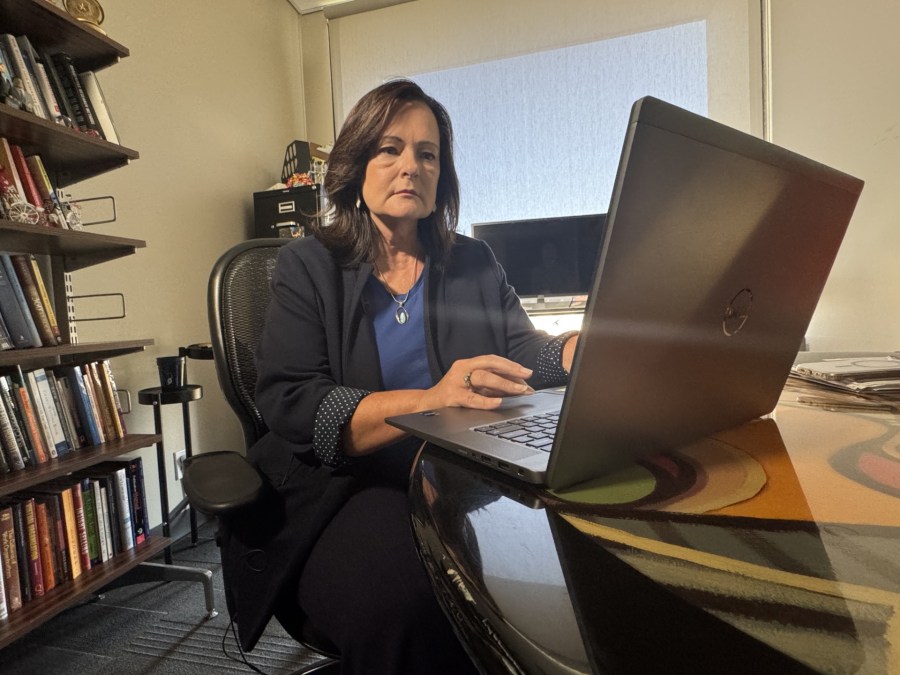
“Our work could significantly impact flash flood responses throughout the United States,” stated Dr. Keri Stephens in an exclusive discussion with KXAN. “We are very hopeful that the findings will be highly beneficial in saving lives in the future.”
Stephens, a seasoned professor in the Moody College of Communication, specializing in disaster and crisis communication, will lead the research project.
“There were undoubtedly camps that chose evacuation and RV parks advising people to move to higher ground,” she noted. “Our research will thoroughly investigate who evacuated… We’re interested in understanding what influenced the decision to evacuate during the Hill Country floods. Was it a distinctive message received, different from typical communications?”

The research team intends to conduct interviews with emergency management officials, evacuees, and those who stayed put to gain comprehensive insights into the events and enhance future responses. Researchers will explore patterns in “communication effectiveness, infrastructure failure cascades, and decision making under uncertainty,” as outlined in the research proposal.
“The river experienced almost different floods. It was so extreme with fast-moving walls of water in some places and it was a little slower moving in other places,” said Stephens. “So the engineers will actually map what did the infrastructure look like along the river and did that play a role in people’s decision-making about evacuating?”
The findings are expected to be released next July, according to the proposal. Stephens said they could be made public as soon as next spring.
“This approach has never been considered,” she said. “By focusing on what worked … [it will] help us understand how to do better in the future.”
State lawmakers have heavily criticized the local response to the flooding. Last month, Rep. Drew Darby, R-San Angelo, said area camps “were not just wholly unprepared for this catastrophic event — they were wholly unprepared for any flooding event.”
“Being ill-equipped to handle a flood as a private citizen is one thing,” Darby added. “But, as a campground in charge of the lives of children many of whom know nothing about the rivers or their dangers is malpractice.”
Statewide, at least 135 people were killed during the floods, including 27 campers and counselors at Camp Mystic in Kerr County.