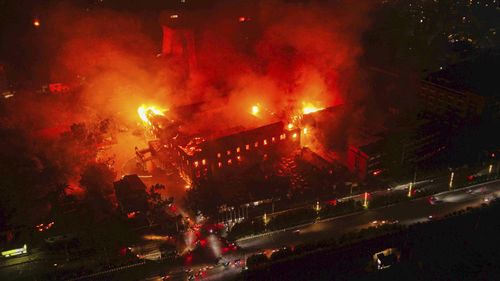

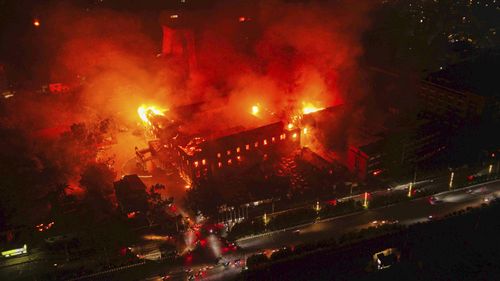
Towering plumes of dark smoke loomed over soldiers imposing a curfew on the quiet streets of Kathmandu on Wednesday morning, amid swirling rumors about a potential meeting between the leaderless Gen Z activists, the army, and the president.
A tense calm prevailed after two nights of chaos, during which tens of thousands took to the streets in fury, setting fire to parliament and the Supreme Court—central symbols of the state—and clashing with government forces sent to control them.
What comes next is uncertain.
Nepal’s President Ramchandra Paudel has appealed to demonstrators to “cooperate for a peaceful resolution” and has invited young protesters to “come to talk.”
It was unclear as of Wednesday whether any talks were scheduled between authorities and the decentralised, leaderless youth-led protest movement.
Several protesters who spoke to CNN said they want to see new leadership with more Gen Z representation.
“I think Nepal is ready to see the young faces along with the experienced ones,” Khatry said.
Others were worried about the response from a governing class that has just been rattled by its biggest challenge in years.
“This situation is very chaotic. All WhatsApp groups are bursting with discussions and fears,” a 24-year-old law student from Kathmandu told CNN, requesting anonymity.
“We are scared that students who protested peacefully will also be targeted.”