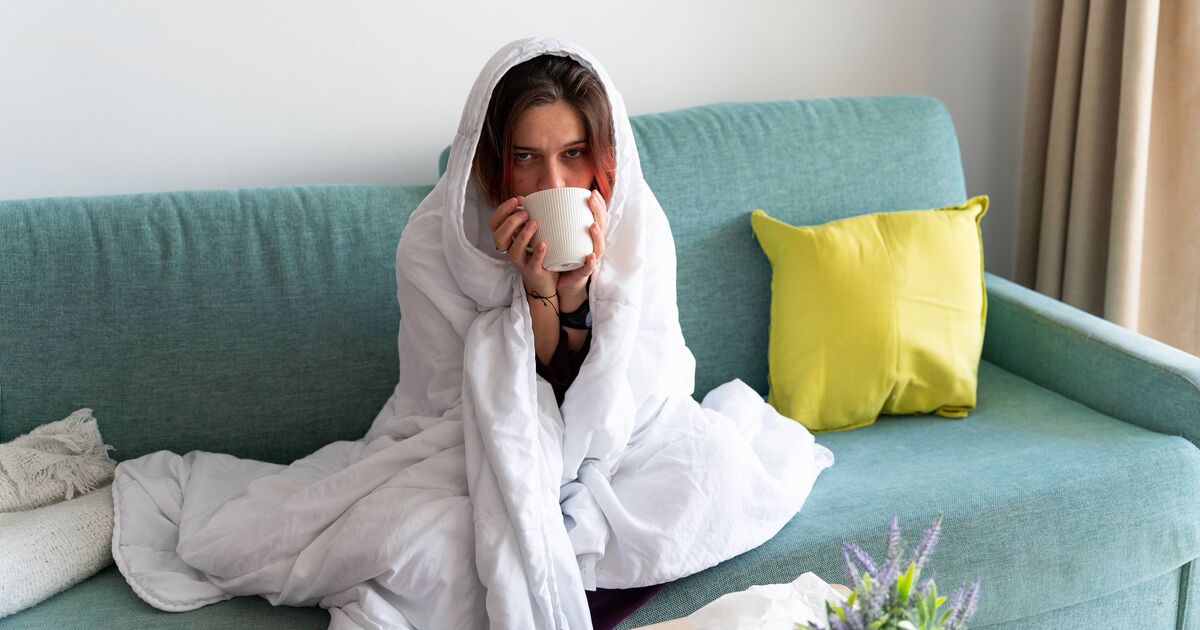

As the weather in Britain changes, colds become more common. Symptoms often include stuffy noses, sore throats, sneezing, and body aches that make us feel unwell. Fortunately, there are numerous medications and natural remedies to combat these symptoms.
A chemist from California, USA, recently gained attention with her claim of “curing a cold in 24 hours” using a simple household ingredient. Ariana Medizade, who has an impressive 220,000 followers on Instagram, shared her favorite method.
She said: “I’m going to tell you exactly how to cure a cold in 24 hours or less with something that you already have at home.
“As soon as you start feeling sick, take two garlic cloves and chop them into small pieces—small enough to swallow as if they were a supplement.”
She clarified: “Garlic contains allicin, a powerful compound that signals your immune cells to combat any bacteria or viruses in your system.”
“The reason this works so effectively overnight is that allicin is rapidly absorbed into the bloodstream, providing a significant boost to your immune system to fight against viruses or bacteria.
“The best time to use this is right when you feel those first signs of a cold, a tickle in your throat, a slight headache, fatigue.”
Garlic is an inexpensive ingredient, costing just 55p a bulb at Waitrose.
Beyond garlic helping in battling those symptoms, the specialist also champions another sharp-smelling kitchen essential – onions.
She further explained: “The next tip, which some may find odd, is the onion trick. Chop up onions and leave them in your room overnight.”
“Onions contain sulphur compounds that purify the air and absorb airborne germs. I know it sounds weird, it’s more of a traditional immune remedy, it doesn’t have a lot of scientific basis but I swear it works, my mum has been doing it ever since I was like four.”
Despite these claims, the NHS highlights that evidence backing garlic and other supplements such as vitamin C or echinacea in warding off colds or speeing up recovery is limited.
If you are concerned about your health, it is important to seek the advice of a medical professional.
The NHS also recommends taking the following steps…
- get plenty of rest
- drink lots of fluid, such as water, to avoid dehydration
- eat healthy food (it’s common for small children to lose their appetite for a few days)
- gargle salt water to soothe a sore throat (not suitable for children)
- drink a hot lemon and honey drink to soothe a sore throat
- breathe in steam to ease a blocked nose – try sitting in the bathroom with a hot shower running
Plus, you should consider the following guidance…
- do not let children breathe in steam from a bowl of hot water because of the risk of scalding
- do not give aspirin to children under the age of 16
- do not smoke as it can make your symptoms worse