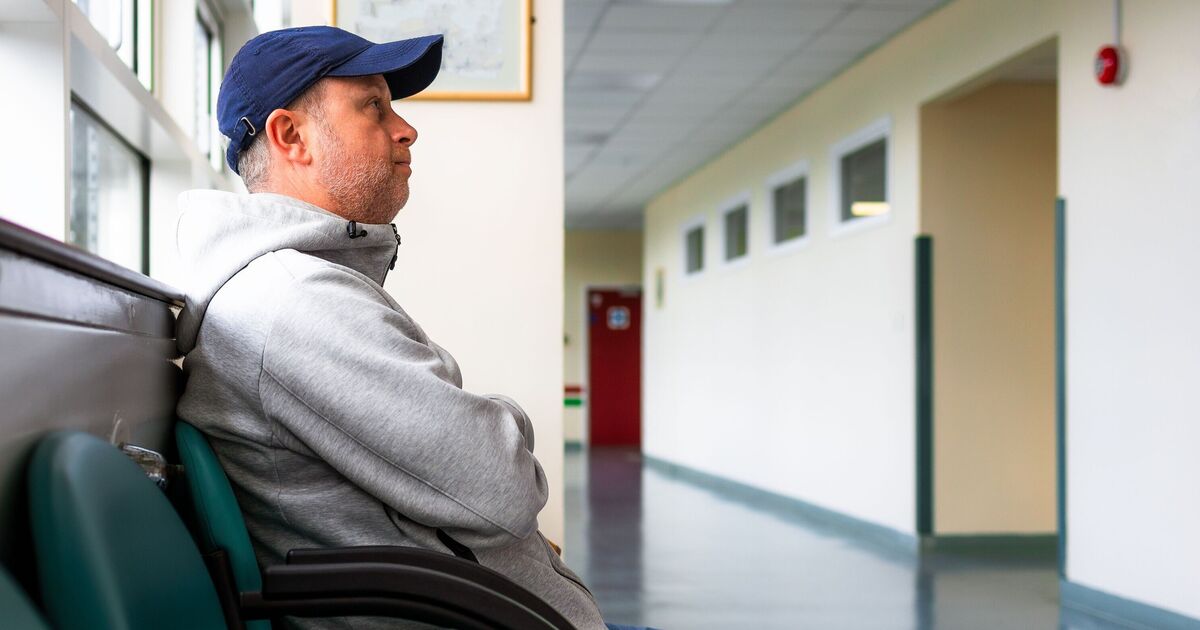
Long NHS waiting lists are deterring patients from seeking treatment, even for symptoms of cancer, as highlighted by a study. This research, involving 2,000 adults, found that 29 percent delayed seeking medical help due to extended waiting times, and 22 percent completely avoided consulting a health professional.
Alarmingly, one in five individuals waited to see a doctor despite recognizing potential cancer symptoms. Medical professionals caution that this trend could result in symptoms going undiagnosed or being detected at a later stage, reducing survival prospects.
NHS data indicates that over a third of melanomas are identified through routine procedures rather than urgent referrals, suggesting that delays in waiting lists may conceal other undetected cancers.
More than half of those on waiting lists have not yet had any clinical contact, with over 1,400 people waiting more than 18 months to start routine treatment.
The study, supported by Skin Analytics, a company specializing in AI-based skin cancer detection, reports that patients are increasingly open to solutions that expedite access to care. Notably, 79 percent expressed trust in AI for healthcare evaluations.
Neil Daly, founder and CEO of the healthtech company, stated: “The real threat is not technology but the months of waiting for a diagnosis while cancer can advance.”
“Too many patients are delaying or avoiding care altogether because they don’t believe they will get seen. AI tools show that regulated technology can safely reduce that risk – giving patients timely answers and freeing up doctors’ time to focus where it matters most.
“The NHS now has a duty to use proven innovation to protect patients.”
Seven in ten believe regulated AI could help reduce NHS wait times, with the majority believing the NHS has a duty of care to deploy technologies that are proven to improve outcomes for patients.
The fact that AI won’t suffer from tiredness as a human would (24 per cent) and is more cost effective (21 per cent) were among the benefits cited.
Trust in AI soars when endorsed by doctors or shown to outperform clinicians, with 36 per cent believing that regulated AI will eventually be better at giving medical assessments than human doctors.
Lynsey Robertson, a GP practice manager, had ignored a mole for years because she did not want to “waste a doctor’s time” – until the AI flagged it as melanoma.
She said: “I’d always put it off, assuming it was nothing. When the AI flagged it and I got a quick diagnosis, I was shocked at how serious it was. Without it, I might still be waiting – or not have gone at all.”
Dr Saleem Taibjee, consultant dermatologist and clinical lead at Dorset County Hospital NHS Foundation Trust, said: “Skin cancer is now the most common cancer in England, making up more than one in five urgent cancer referrals, and pressure on services means many patients are waiting longer than they should have to, or delaying seeking help.
“By helping dermatologists triage referrals quickly and accurately, AI helps us prioritise cases like these and reduce delays.
“AI will not completely replace clinical expertise, but it is becoming an essential tool to help us manage rising demand, reduce backlogs, and ensure patients like Lynsey get the right care at the right time.”
Neil Daly, from Skin Analytics, which has seen its skin cancer detection system, DERM, became the world’s first AI legally authorised to detect cancer in patients without a doctor present, added: “What this research shows is that while not everyone fully grasps the risks of delay, people increasingly see the potential for safe, regulated AI to protect patients.
“Concerns about empathy and accountability are valid, but AI is never about replacing doctors – it’s about supporting them to deliver better, faster care.”