
As autumn deepens, the season brings about many changes, including the need to warm our homes against the encroaching cold. However, as we crank up the heat and light fires, a medical expert has issued a warning about potential health risks.
Neurologist Dr. Bing has shared his personal winter safety tip—steering clear of one common practice due to its potentially disastrous consequences. He notes that people often overlook the dangers associated with seasonal changes, and what seems like a simple act of relaxation at home could turn hazardous if caution is not exercised.
Dr. Bing urges everyone to be aware of the risks posed by carbon monoxide during the colder months. In a previous video, he explained why extra vigilance is needed in winter, offering easy steps to protect your living environment.
In an online video, Dr. Bing pointed out, “Winter is prime time for the silent killer, as people frequently utilize furnaces, fireplaces, or gas-powered heaters without proper ventilation. It’s deemed a silent killer because it’s invisible—you can’t see it.
“It’s also odorless, so detection by smell is impossible. Many people don’t realize they are being exposed until it’s too late. Carbon monoxide is so perilous because it inhibits oxygen from binding to hemoglobin in the blood, which is crucial for transporting oxygen to various organs, including the brain.”
He further explained, “When oxygen can’t reach your brain and other vital organs, it can lead to symptoms like headaches, confusion, memory loss, and even seizures.”
“If this is not caught, and treated early, it can lead to permenant brain damage. Sadly, I see cases of this every year, and there are ways to prevent this.”
Dr Bing revealed there are methods you can use to safeguard yourself, such as fitting carbon monoxide detectors in your property and ensuring they function properly. He also recommended having heating systems inspected annually.
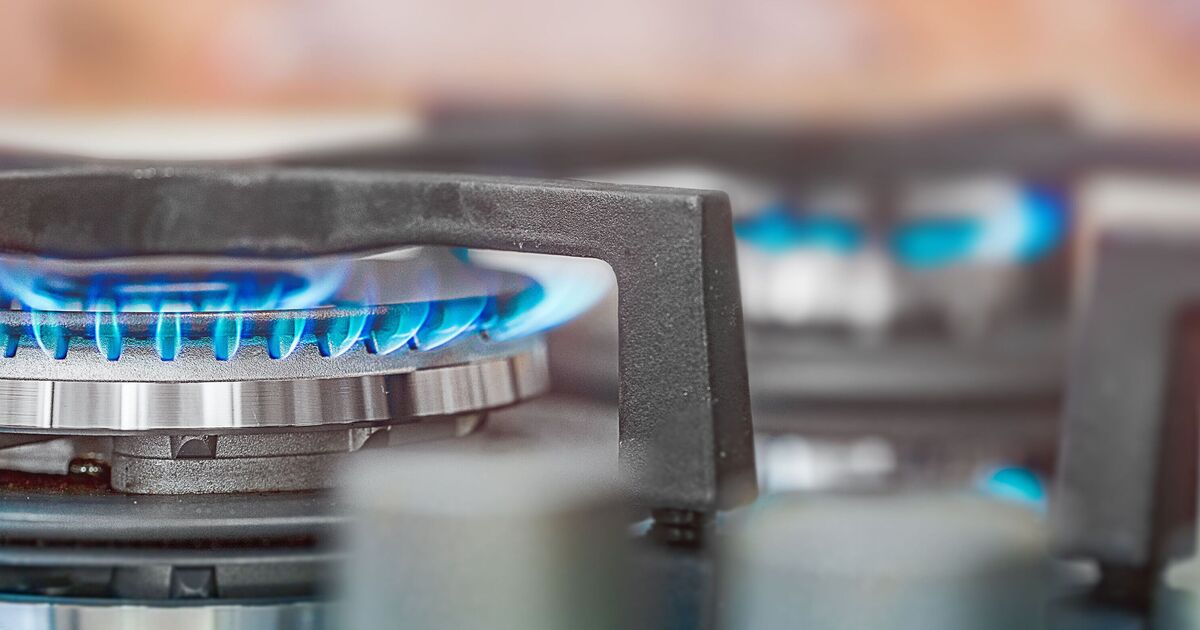
Additionally, he suggested it’s wise to avoid operating gas equipment inside. You might not be aware, but the carbon monoxide threat is considerably greater during winter as people utilise heating devices more frequently, and poorly ventilated or serviced equipment can cause hazardous gas to accumulate.
Throughout the colder period, there is also decreased air circulation as people seal their properties to maintain warmth. Faulty heaters and portable generators can also heighten the risk of complications during winter.
How to prevent carbon monoxide poisoning
The NHS website explains: “Carbon monoxide is a poisonous gas that can make you seriously ill if you breathe it in. Carbon monoxide can be made by fires and appliances that burn gas, wood, oil or coal.
“Carbon monoxide gas is colourless and does not smell, so you cannot tell if it is around you.”
Symptoms of carbon monoxide poisoning include:
- headache
- dizziness
- feeling sick or being sick
- feeling weak
- confusion
- chest and muscle pain
- shortness of breath
These symptoms can fluctuate, but they can intensify when you spend time in an affected room or building and improve when you leave or go outside. Common household appliances used for heating and cooking can produce carbon monoxide if they are not installed correctly, are faulty or are poorly maintained.
Though it may sound alarming, there are some measures you can take to reduce the risk of carbon monoxide poisoning. For instance, you can install a carbon monoxide alarm in each room of your home that contains appliances that burn gas, oil, coal or wood.
You should also ensure all heating and cooking appliances are properly installed and keep them well maintained. In addition to this, make sure your boiler is serviced regularly by a qualified engineer and keep chimneys and flues clean and well maintained.
If you suspect you might have carbon monoxide poisoning, there are also a few steps you should take. Cease using any appliances you think might be producing carbon monoxide (such as a boiler, cooker or heater) if you can, and open windows and doors to allow fresh air to circulate.
It’s also prudent to go outside and seek medical advice as soon as possible. Do not re-enter the affected building until you have consulted with an expert and, if you believe a gas appliance is leaking carbon monoxide, call the free National Gas Helpline immediately on 0800 111 999.