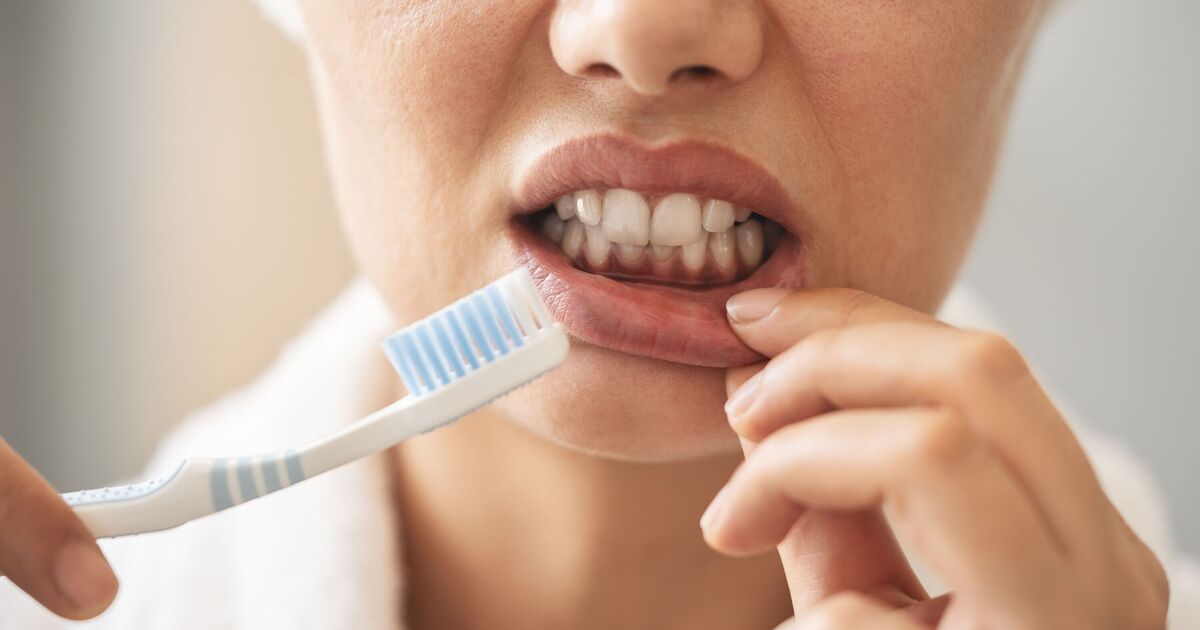

A significant portion of the British population admits to taking shortcuts in their daily routines, from household chores to personal grooming, often leaving tasks partially completed. While this might seem inconsequential when it comes to tidying up, neglecting steps in your dental care routine can have serious health implications.
A study involving 2,000 adults found that millions of Brits regularly cut corners in everyday activities, with domestic cleaning being the most frequently neglected. Tasks like flossing, organizing paperwork, and making the bed are also rushed through, primarily due to time constraints.
This research was conducted by the oral care company, TePe, which is advocating for people to be more thorough in their dental hygiene practices.
The company is recommending that people in the UK extend their brushing routine from the standard two minutes to a more comprehensive three-minute session to ensure better oral health.
Miranda Pascucci, a dental therapist and head of clinical education at TePe, emphasized, “While cutting corners might work in some areas, it doesn’t apply to oral care.”
“Skipping interdental brushing means you’re only cleaning 60% of your tooth surfaces, leaving the remaining 40% vulnerable to issues like bad breath, cavities, and gum disease over time,” she added.
“It can even increase the risk of wider health issues such as heart disease and Alzheimer’s.”
As part of the three-minute cleaning routine, Miranda recommends Brits two minutes of brushing, with the extra minute dedicated to interdental cleaning – scrubbing away the plaque between your teeth. She said this can help avoid the impacts of doing half a job.
It turns out, a fifth of Brits only brush their teeth once a day, putting it down to being in a rush or tiredness, despite recommendations by the NHS to do it twice.
Cleaning between the teeth is a regular corner that’s cut, with 39% never using interdental brushes. As a result, many adults have reported experiencing tooth sensitivity, bleeding gums, cavities, tooth discolouration and gum recession.
Dr Venetia Leonidaki, a consultant clinical psychologist, said: “We face countless decisions and competing tasks every day, which is why human beings need to be economical with their resources, saving time and energy whenever possible.”
She added that people often cut corners because we usually overestimate the effort needed and underestimate the value from doing simple tasks.
Yet she added doing so can help boost our moods: “Completing a task programmes us to view ourselves as competent and accomplished and the sense of satisfaction we experience detects a surge in dopamine.”


