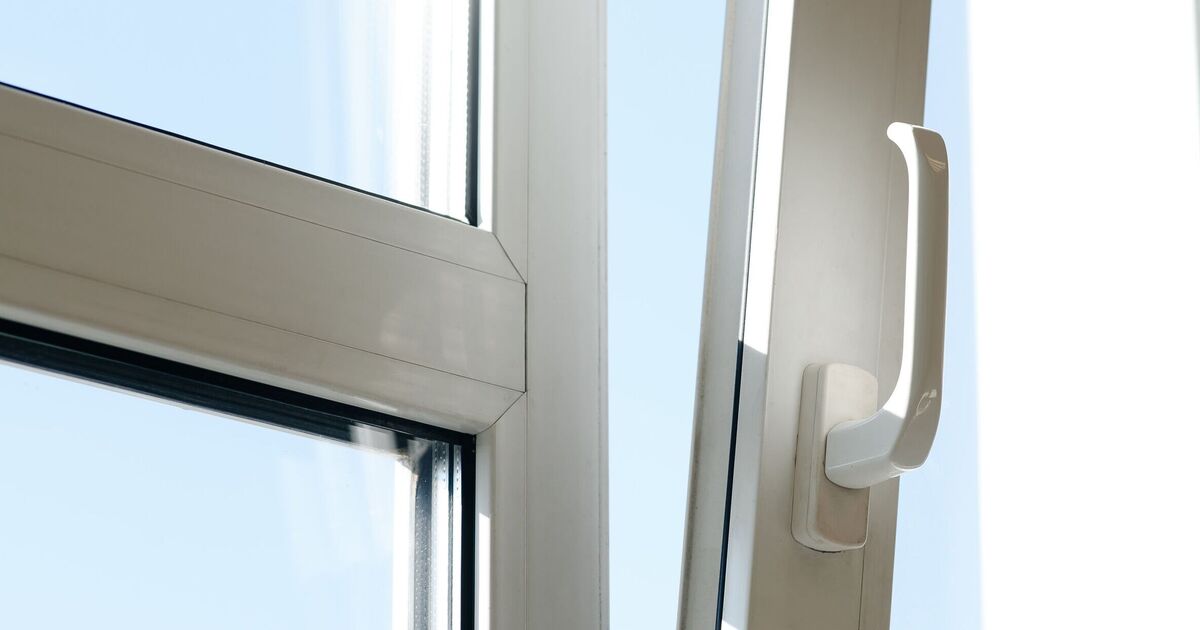

As winter approaches and temperatures plummet, it might seem logical to keep your windows tightly shut. However, experts advise that it’s crucial to open them for some time each day to prevent potential hazards that could silently invade your home.
Millions of homes across the UK fall victim to hidden damp and mold during the winter months. Specialists are now emphasizing the subtle warning signs that often go unnoticed. According to Ben Snape from IntelOptic, a home health app designed to detect early indications of dampness, mold can begin developing behind walls, beneath floors, or in attics long before any visible signs appear.
To ensure you and your family remain safe, there are specific measures you should take. Additionally, there’s a straightforward method to help prevent condensation.
“A musty odor, chilly walls, and paint that feels soft or appears to bubble are early indicators of trapped moisture, even when everything seems normal on the surface,” Snape explained. Mold can start to form in just 48 hours if humidity levels surpass 70%.
Mold may stay hidden for up to 18 months before it becomes visible, and it poses more than just a cosmetic issue. It can exacerbate asthma, cause chronic coughing, lead to skin irritations, induce fatigue, and even disturb sleep patterns, with children and the elderly being particularly vulnerable.
While condensation usually manifests on glass and mirrors and dissipates with proper ventilation, leaving no odor, dampness tends to persist on walls, ceilings, and skirting boards, often in the same areas, accompanied by a lingering musty smell.
Early warning signs include:
-
A persistent earthy smell behind furniture or in corners
-
Cold and damp patches on the wall and skirting boards
-
Frequent condensation in the same area
-
Shadowing or discolouration on paint
-
Small black dots on bathroom silicone or grout
If you notice any of these signs, experts recommend improving the airflow around your home immediately. You can do this by opening windows, moving furniture away from walls and monitoring humidity with a hygrometer. Avoid cleaning the area with bleach as this can cause deeper mould growth.
Should I open my windows during autumn and winter?
If you didn’t know, you should open your windows during the autumn and winter months. This should be done for brief, intense periods.
Opening windows provides fresh air, limits condensation, prevents mould growth and also improves air quality. This is because it helps to remove stale, polluted air and harmful indoor pollutants that develop when homes are sealed from the cold.
For those who suffer with condensation, it’s a moisture problem, not just a temperature issue. If you open windows every now and then it will allow moisture to escape, which aids in preventing the damp conditions that promote mould growth.
Opening windows also helps to regulate indoor temperatures by exchanging stale, warm air for cooler, fresh air. This is beneficial, even during colder months.
Not to mention, it can also aid your health too. Poor indoor air quality can cause headaches, nausea and respiratory infections, so it has many more benefits than you may realise.
Even though it’s cold, experts generally recommend people open their windows for between five and 10 minutes once or twice a day in November and the months ahead. Ideally, do this when it’s warmest and sunniest, and open windows on opposite sides of the house to create a cross-breeze.