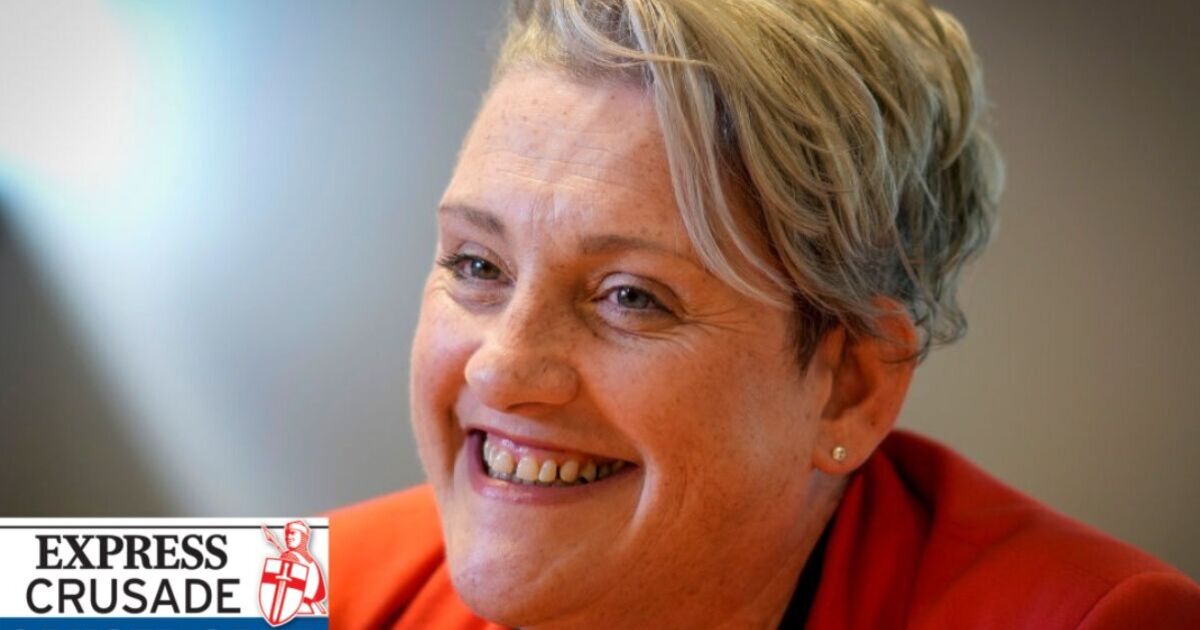

Recent revelations highlight a significant gap between the government’s standards for mental health support for cancer patients and the reality many face today. Health Minister Ashley Dalton, who is personally battling incurable breast cancer, praised the Daily Express’s Cancer Care initiative. This campaign is devoted to ensuring that individuals with cancer have access to necessary mental health support throughout their treatment journey and beyond.
Dalton emphasized the importance of care tailored to each individual, stating: “Every cancer patient should receive a comprehensive needs assessment, along with personalized care and support planning. This ensures that the care provided is aligned with what each person values most.”
She further explained that this approach is part of the NHS Comprehensive Model for Personalized Care. This model aims to empower patients to manage their treatment and its effects while leveraging digital solutions and community resources for comprehensive support.
Dalton highlighted that from the point of diagnosis, patients are offered health and wellbeing resources, including access to NHS Talking Therapies for those dealing with anxiety and depression.
In addition, efforts are ongoing to enhance psychosocial support through local collaborations with cancer support organizations.
Regrettably, these ideal standards are not yet the norm across much of the UK.
The Cancer Care campaign has been running since January and during that time we have only found two patients who have had a holistic needs assessment.
And both said it did not really go into depth about their needs and their concerns as cancer patients.
It is vital that all cancer patients receive such an assessment shortly after they are diagnosed and, crucially, that it is fit for purpose, so they have time and space to talk about any concerns they have.
The assessment must also be seen as the starting point for a patient to receive help with issues, whether that be counselling, support groups, treatment advice, or information about managing financial worries.
The other key call in our campaign is for cancer patients to be asked about their mental health at every consultation they have with their medical teams.
Mental health issues are one of the biggest side effects of cancer, but they are rarely talked about in hospitals, with doctors focusing on “easier” problems that can be treated with tablets, like diarrhoea or rashes.
This must change to ensure that the cancer treatment people receive is truly fit for the 21st century.
The health minister for public health and prevention is responsible for the Government’s national cancer plan for England, which will be published in the new year.
It is essential that mental health is a key part of this, to improve the experience of people diagnosed with cancer.