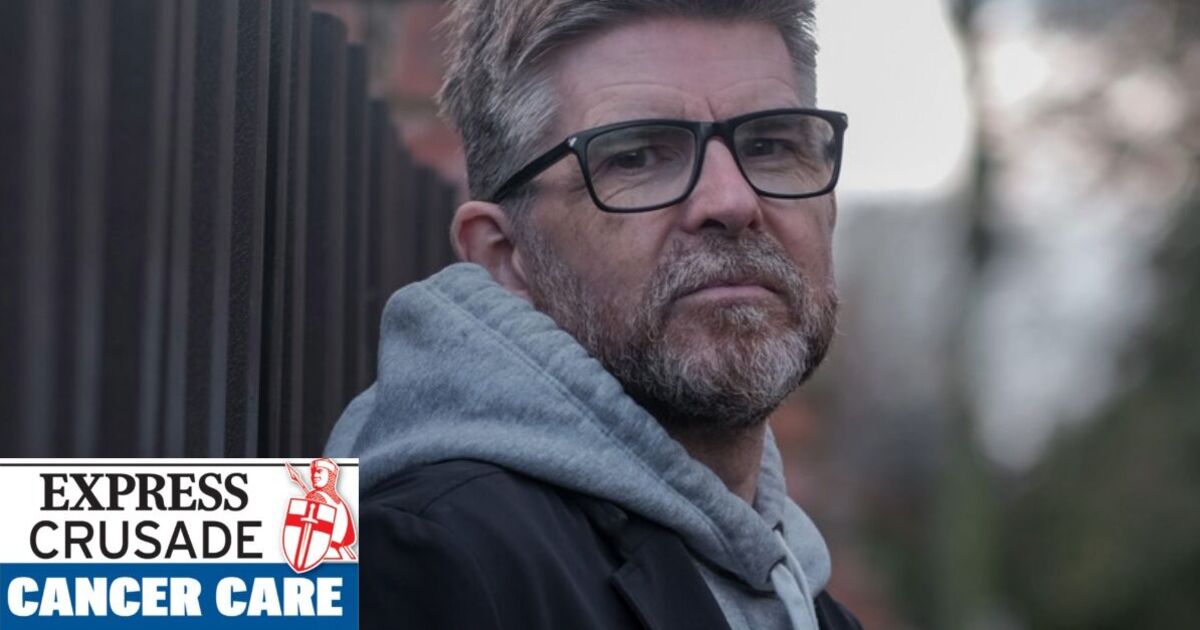

At 44, my life took an unexpected turn when I was diagnosed with breast cancer. Being a man, this news was particularly startling, as male breast cancer is quite uncommon. The word ‘cancer’ was now irrevocably linked to my identity, a reality for which nothing could have prepared me. I discovered a lump and promptly visited my GP, a decision that ultimately saved my life. While the medical procedures progressed efficiently, the emotional journey was an entirely different challenge. In hindsight, the psychological support I received proved to be as crucial as the surgery that removed the tumor.
The fortnight between detecting the lump and obtaining the biopsy results was surreal. It was summer, the children were on school break, and I found myself aimlessly drifting through my home in a haze. The people I confided in reacted strangely—individuals I hadn’t heard from in years suddenly reached out with comments like, “My aunt passed away from breast cancer,” as if that was comforting. Although none intended harm, the awkwardness and palpable fear in their voices added to the weight of the situation.
On the eve of my diagnosis, I hit a wall of emotional distress. Sitting on the sofa, engulfed by a wave of emotions, I decided to step outside to feel the sun’s warmth. I wandered aimlessly until I found myself in a pub garden, gazing at a narrow ray of sunlight between two buildings. At that moment, I realized: “I need to talk to someone.”
That realization led me to call Samaritans. While the conversation didn’t alter my diagnosis, it transformed my outlook. The volunteer listened as I spoke freely, cried, rambled, and took deep breaths. She offered a perspective that allowed me to manage: “Tomorrow, you’ll find out which path your journey will take. For now, you’re simply at a crossroads.”
This simple, yet profound advice was grounding. When you’re lost in a storm of thoughts, such compassionate clarity is invaluable.
Another significant factor was my GP’s proactive approach to my mental wellbeing. Rather than treating it as an afterthought, he genuinely inquired, “How are you coping?” This small gesture meant I didn’t feel compelled to mask my emotional struggles. Additionally, I was assigned a Macmillan Nurse early on, who monitored not only my physical recovery but also my overall wellbeing.
She asked about sleep, fear, the randomness of bad thoughts. She treated my mental state as something worthy of care, not a distraction from the ‘real’ medical issues.
But I also know my experience is unusual. Too many patients never get asked how they’re feeling emotionally. Doctors run through the same checklist every appointment: “Shortness of breath? Any ulcers? Pain?”, but mental health rarely makes the list.
And yet cancer isn’t just a physical illness. For many of us, it’s the worst thing we’ve ever faced. It evokes thoughts about mortality, uncertainty, identity, and family – things most people have never had to confront before. Ignoring that side of cancer doesn’t make it go away. It just leaves people to suffer silently.
That’s why it’s vital that cancer patients are asked about their emotional health too. In my experience, that simple act of being asked, really asked, about your emotional state can make the difference between coping and crumbling. It costs nothing. It changes everything.
I’m so glad Samaritans has always been there for me when I’ve been in crisis. The problems don’t vanish, but talking helps me see them more clearly.
Talking about how I feel has become part of how I look after myself, just like going for scans or taking medication. And I know there are thousands of people out there facing cancer alone, isolated, frightened, unsure where to turn.
That’s why cancer treatment should support the whole person, not just the tumour. This is why I’m supporting the Daily Express’s Cancer Care campaign. And if the NHS introduces the changes this campaign calls for, countless people will feel less alone at the moment they need support most.