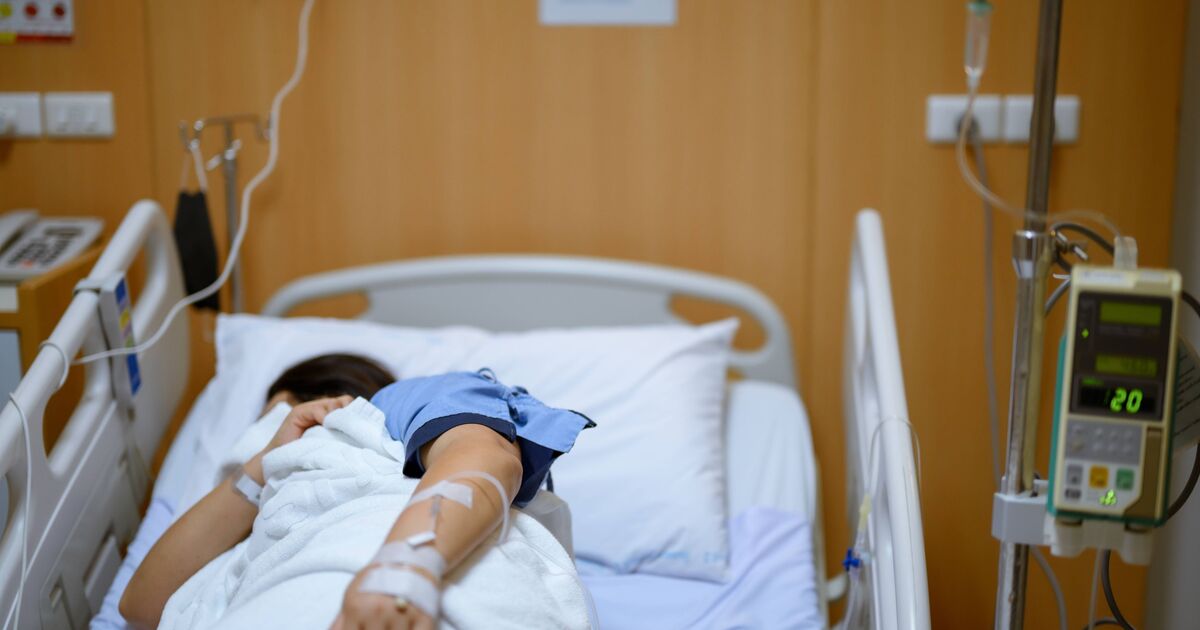

Flu cases in the UK are on the rise, leading to a wave of health advisories urging thousands to remain indoors to prevent further spread. With the flu season hitting hard, hospitals have experienced a dramatic influx, averaging 2,660 flu patients daily last week. This unprecedented figure marks the highest record for this period and reflects a staggering 55% increase compared to the previous seven days.
This surge is substantial enough to occupy the capacity of more than three full hospital trusts each day. NHS officials are raising alarms as the numbers continue to climb with no immediate decline in sight.
In response, the UK Health Security Agency (UKHSA) is advising those feeling under the weather to stay home whenever possible and to wear masks if venturing out is necessary. This precautionary measure aims to mitigate the flu’s spread, alongside other recommended practices such as covering coughs and sneezes with a tissue, maintaining regular hand hygiene, and ensuring ample ventilation during indoor gatherings.
The NHS is also actively promoting the flu vaccination, encouraging eligible individuals to get their jab to help fend off severe illness during this challenging season. By taking these steps, health authorities hope to manage the flu’s impact and safeguard the community’s well-being.
In an effort to curb the spread of viruses like flu, the UKHSA also recommends catching coughs and sneezes in a tissue, washing hands regularly, and opening windows when socialising indoors.
The NHS is encouraging those eligible to get their flu jab to help prevent serious illness.
As the NHS faces increasing demand, it is preparing for another five days of industrial action by resident doctors, set to commence at 7am next Wednesday (December 17).
The public are advised to attend any planned appointments scheduled during the strikes unless they have been contacted to reschedule. Primary and urgent and emergency care services will continue to be available for those who need them.
The public is advised to utilise 111 online as their initial point of contact for urgent, but non-life-threatening issues during industrial action, ensuring they are directed to the most suitable service for their needs.
Patients requiring emergency medical attention should continue to dial 999 or go to A&E as usual.


