
The NHS has provided guidance for individuals experiencing dry mouth or an unquenchable thirst. This issue may become more pronounced during the festive season, a time when dietary choices can play a significant role.
As noted by the health service, certain popular festive drinks might contribute to or worsen dry mouth symptoms. These beverages are often enjoyed as people gather to celebrate Christmas and usher in the New Year. The NHS reassures that a dry mouth is typically not a sign of a serious condition and emphasizes that there are straightforward remedies you can try at home.
However, in some instances, persistent dry mouth might indicate an underlying health concern. Here is what health professionals advise you to be aware of.
According to WebMD, typical symptoms include:
-
A sticky, parched sensation in the mouth
-
Constant thirst
-
Sores in the mouth; sores or split skin at the corners of the mouth; cracked lips
-
A dry feeling in the throat
-
A burning or tingling sensation in the mouth and especially on the tongue
-
A dry, red, raw tongue
-
Problems speaking or trouble tasting, chewing, and swallowing
-
Hoarseness, dry nasal passages, sore throat
-
Bad breath
The main causes of a dry mouth, according to the NHS, are:
- dehydration – for example, from not drinking enough, sweating a lot or being ill
- medicines – check the leaflet that comes with your medicine to see if dry mouth is a side effect
- breathing through your mouth at night – this can happen if you have a blocked nose or you sleep with your mouth open
- anxiety
- cancer treatment (radiotherapy or chemotherapy)
- oral thrush (mouth thrush)
In some cases, persistent dry mouth can be associated with underlying conditions like diabetes or Sjögren’s syndrome. In its guidance, the medical professionals advise that people should “not drink lots of alcohol, caffeine (such as tea and coffee) or fizzy drinks.” They also recommend steering clear of “foods that are acidic (like lemons), spicy, salty or sugary.”
Many of these drink types are especially popular at this time of year – think fizzy juice, mulled wine, and a festive cocktail – and they could be unknowingly exacerbating dry mouth symptoms. The NHS further recommends that people avoid smoking, wearing dentures while sleeping and using acidic artificial saliva products if they still have their natural teeth. It also stresses that people should “not stop taking a prescribed medicine without getting medical advice first – even if you think it might be causing your symptoms.”
To help symptoms, they advise:
-
drink plenty of cold water – take regular sips during the day and keep some water by your bed at night
-
suck on ice cubes or ice lollies
-
sip on cold unsweetened drinks
-
chew sugar-free gum or suck on sugar-free sweets
-
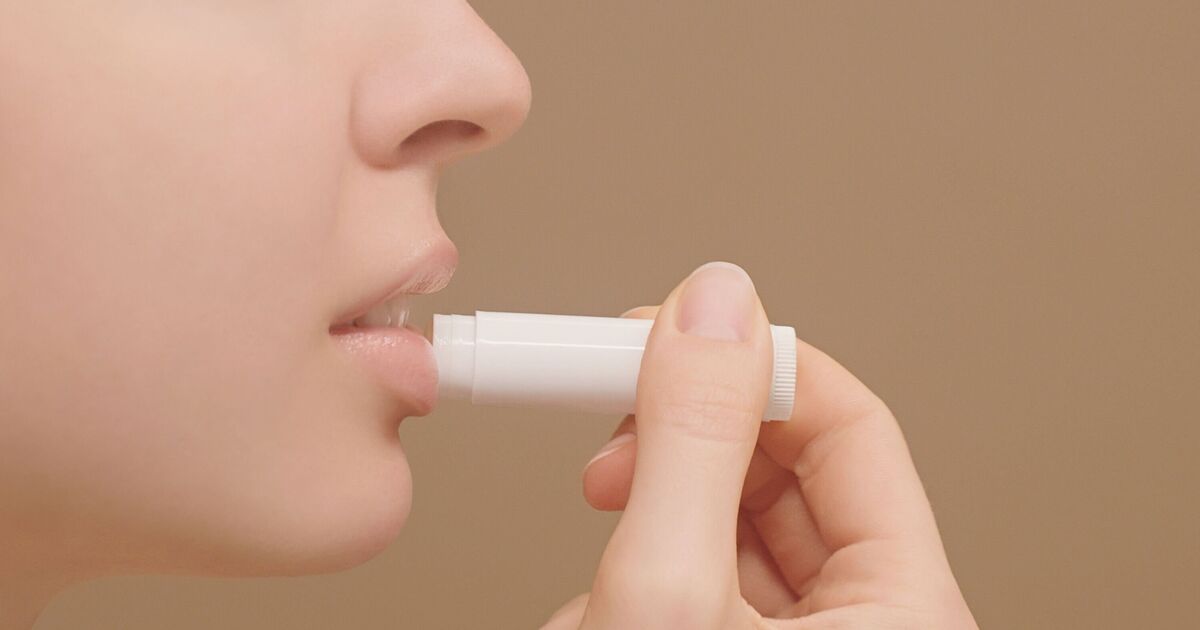
use lip balm if your lips are also dry
-
brush your teeth twice a day and use alcohol-free mouthwash – you’re more likely to get tooth decay if you have a dry mouth
Do I need to see a GP?
A GP can identify the cause and recommend treatment. A pharmacist may be able to suggest things to provide relief from your symptoms while you’re waiting to talk to a GP.
You have a dry mouth and:
- it makes it difficult when talking or eating
- your mouth is still dry after trying home or pharmacy treatments for a few weeks
- you’re struggling to eat regularly
- you’re having problems with your sense of taste that are not going away
- your mouth is painful, red, swollen or bleeding
- you have sore white patches in your mouth
- you think a prescribed medicine might be causing your dry mouth
- you have other symptoms, like needing to pee a lot or dry eyes
Ways to prevent a dry mouth
The experts at WebMD note that you should try the following:
- Brushing your teeth at least twice a day (but preferably after every meal as well as before bedtime)
- Flossing your teeth every day
- Using a toothpaste that contains fluoride
- Visiting your dentist for a checkup and cleaning at least twice a year, your dentist may recommend a daily fluoride rinse or fluoride gel to keep your teeth healthy.
- Avoiding commercial mouth rinses or mouthwashes that contain alcohol or peroxide. These ingredients will further dry out your mouth.