
Share this @internewscast.com
The devastating inferno resulted in economic losses exceeding a staggering $89 billion, a testament to the immense destruction of properties and other damages. This figure highlights the financial toll such disasters can impose, particularly in wealthier regions where property values are typically higher and insurance coverage is more prevalent.
Adding to the growing concern, recent research has increasingly linked the rise in greenhouse gas emissions to specific extreme weather events. This connection underscores the need for urgent action in addressing climate change to mitigate such catastrophic occurrences.
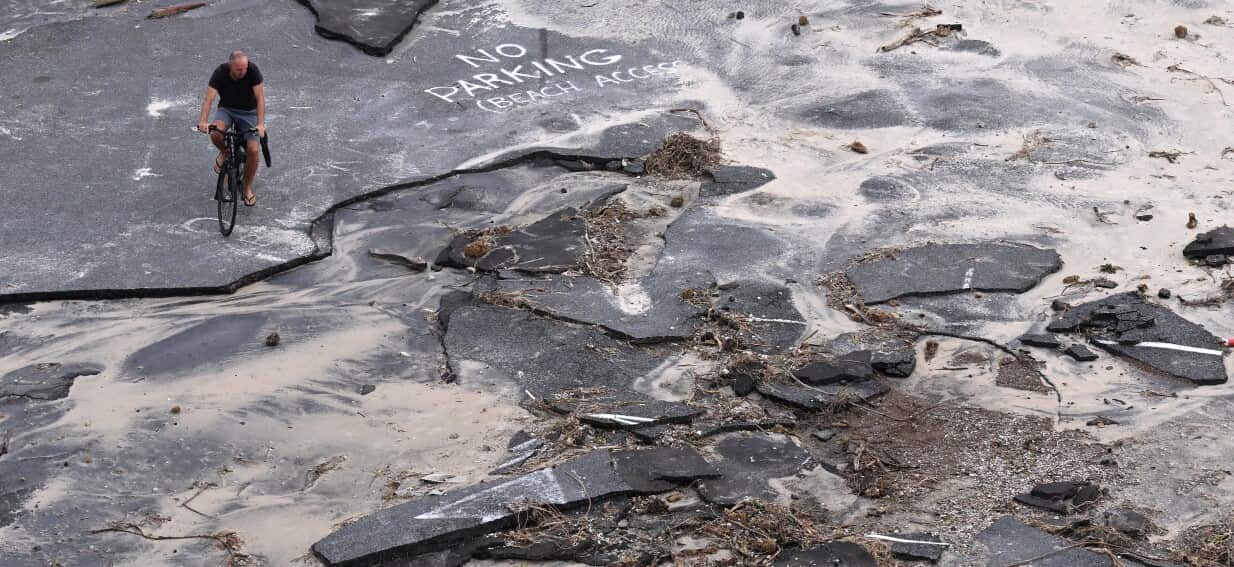
In an unsettling development, researchers observed that the storm, named Alfred, took an unusual path further south than typically expected. This deviation has raised alarms about the potential for warmer ocean temperatures to allow windstorms to navigate into areas historically unprepared for such phenomena, posing new challenges for those communities.
The economic impact of these disasters tends to be more pronounced in affluent countries. This is largely because these nations often have higher property values and residents with greater access to insurance, thus amplifying the financial repercussions when disaster strikes.