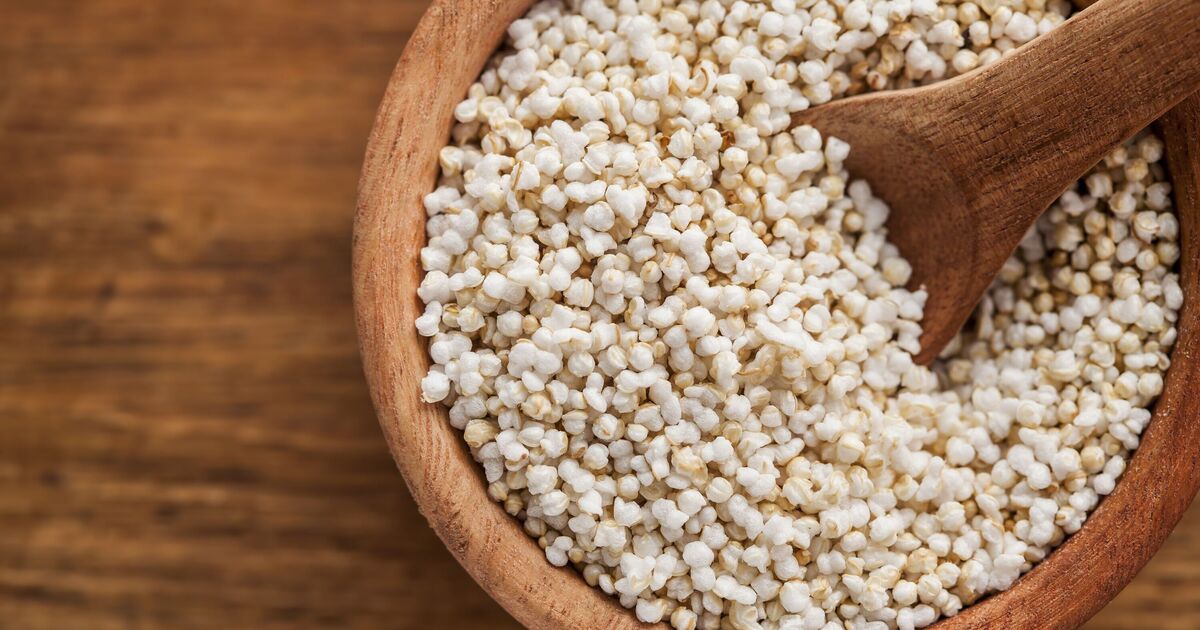

Carbohydrates often receive criticism, yet they play a crucial role in maintaining a healthy diet. The key difference lies in the type of carbs we choose: whole grains versus highly processed sweets and snacks.
Whole grains, rich in fiber and vital nutrients, form the backbone of a balanced and nutritious diet. Brown rice is a perfect example, known for its high protein and fiber content. It is also widely accessible in supermarkets and typically gentle on the wallet.
Occupying a more trendy spot in the world of grains is quinoa. This gluten-free seed, often grouped with whole grains, boasts all nine essential amino acids. Quinoa’s lesser-known cousin, amaranth, is another powerhouse of nutrition, deserving of more attention.
Amaranth, like quinoa, is naturally gluten-free and packed with protein. It ranks among the oldest cultivated crops globally, cherished by ancient civilizations such as the Aztecs and Incas, who attributed mystical qualities to it.
What makes carbs good for you?
What distinguishes beneficial carbohydrates from others is the degree of food processing they undergo. Whole grains, often referred to as ‘good carbs,’ retain their natural form, avoiding unnecessary processing.
According to the British Dietary Association, a whole grain comprises three essential components:
- The bran: a fibre-rich outer layer
- The germ: a nutrient-packed inner part
- The endosperm: a central starchy part
By comparison, refined grains undergo processing and preserve only their endosperm. Items manufactured from processed and refined grains dominate the majority of supermarket shelves.
“Whole grains, as they’re grown in the ground, are full of nutrients,” registered dietitian Ashli Greenwald told John Hopkins Medicine.
“They can contain several B vitamins and trace minerals, such as iron, zinc, magnesium and copper. Some whole grains are good sources of protein.
“You also get phytonutrients: plant-based compounds that can reduce inflammation and may lower your chances of developing heart disease, diabetes and even some kinds of cancer.”
Why amaranth is one of the healthiest grains you can eat
This ancient superfood has earned recognition as amongst the most nutritious due to its exceptional nutrient content. The Aztecs reportedly called amaranth the “food of immortality”.
Despite being technically a seed, amaranth provides comparable health advantages to wholegrains. With higher protein levels than rice and maize, amaranth proves remarkably filling, keeping you satisfied for extended periods whilst delivering a complete amino acid profile including lysine — rarely found in grains — plus vitamins A and C.
Nutritionist Kerry Torrens named amaranth as the healthiest grain in an article for Good Food, above oats, brown rice and quinoa.
Research from 2020 examined amaranth’s lesser-known advantages. Scientists discovered it serves as an excellent source of fibre, protein, and essential minerals such as calcium and iron, according to Critical Reviews in Food Science and Nutrition.
Additionally, it provides vitamin C, folic acid, and antioxidants, as detailed in a 2019 study.
Six ways to eat amaranth
- Porridge – as a base or sprinkled as flakes as a topping
- Popcorn – pop them in a dry pan on the hob
- Baking – it’s gluten-free
- Pancakes – sweet or savoury
- Salad – its green leaves are slightly sweet
- With other grains – amaranth is starchy so combine it with brown rice
There are many ways to cook and bake with amaranth — South Americans have consumed amaranth for millennia. Its gentle, nutty taste works brilliantly in both savoury and sweet dishes.
A simple way to incorporate it into your diet is by using it as a substitute for oats in porridge. Ann Ziata, a chef-instructor at the Institute of Culinary Education, shared with Martha Stewart that she enjoys it with dates, sesame seeds, apricots, almonds, and a dash of cinnamon and maple syrup.
In addition to whole grains, amaranth is also available as flour and flakes. It’s readily available at Holland and Barrett, where you can purchase 500g for £3.69. A kilo of amaranth costs £8.99 on Amazon.