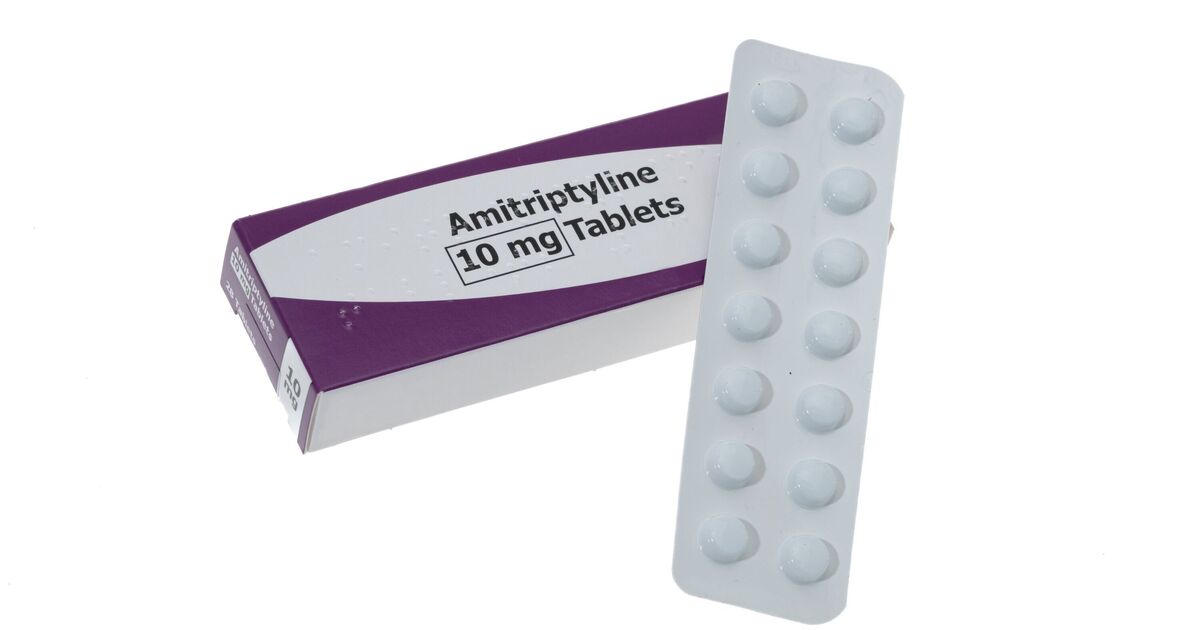

The National Health Service (NHS) has released essential advice for those prescribed amitriptyline, a medication used to manage pain or migraines. In the UK, around 28 million adults endure chronic pain, with nearly eight million facing symptoms that significantly impair daily life.
According to NHS data, chronic pain affects one in three adults, a statistic that rises to over 50% in individuals older than 75. While evidence shows that up to half of general practitioner (GP) visits are related to this issue, options for managing it often extend little beyond prescribing medication.
Amitriptyline is commonly prescribed for these chronic conditions. Though initially developed as an antidepressant, it is frequently used in lower doses to help alleviate pain associated with various painful medical conditions.
In the 2022-23 period, more than 15 million prescriptions for amitriptyline were filled across the UK. However, the NHS cautions patients about the potential side effects, stressing the importance of seeking immediate medical attention in certain serious cases, as highlighted by the Mirror.
For those using amitriptyline to treat pain and migraines, the NHS offers guidance, noting that more than one in 100 patients experience “common side effects.”
The NHS advises: “Consult a doctor or pharmacist if side effect management advice fails to alleviate your concerns or if symptoms persist.” Some of the common side effects include:
-
Constipation
-
Feeling sleepy or tired
-
Difficulty peeing
-
Headache
-
Dry mouth
-
Feeling dizzy
There are other uncommon but more severe side effects. The NHS advises calling a doctor or 111 now if:
- you get a fast or irregular heartbeat
- the whites of your eyes turn yellow, or your skin turns yellow, although this may be less obvious on brown or black skin – these can be signs of a liver problem
- you have a headache, you feel confused or weak, or you get muscle cramps – these can be signs of a low sodium level in your blood
- you have eye pain, a change in your eyesight, or swelling or redness in or around your eye
And there are some circumstances which all patients taking the medication need to be aware of. If you suffer any of these you should dial 999 immediately. These are if:
- you have weakness on one side of your body, trouble speaking or thinking, loss of balance or blurred eyesight – these can be signs of a stroke
- you have a seizure or fit
- you get severe chest pain – this can be a sign of a heart attack
There is one other essential time when you should call 999 or go to A&E. This is if you have thoughts about harming yourself or ending your life.
The NHS adds: “Many people sleep better while they’re taking amitriptyline. Although amitriptyline is an antidepressant, the doses are lower when used to treat pain. Taking amitriptyline as a painkiller will not have the same effects as taking it for depression.”