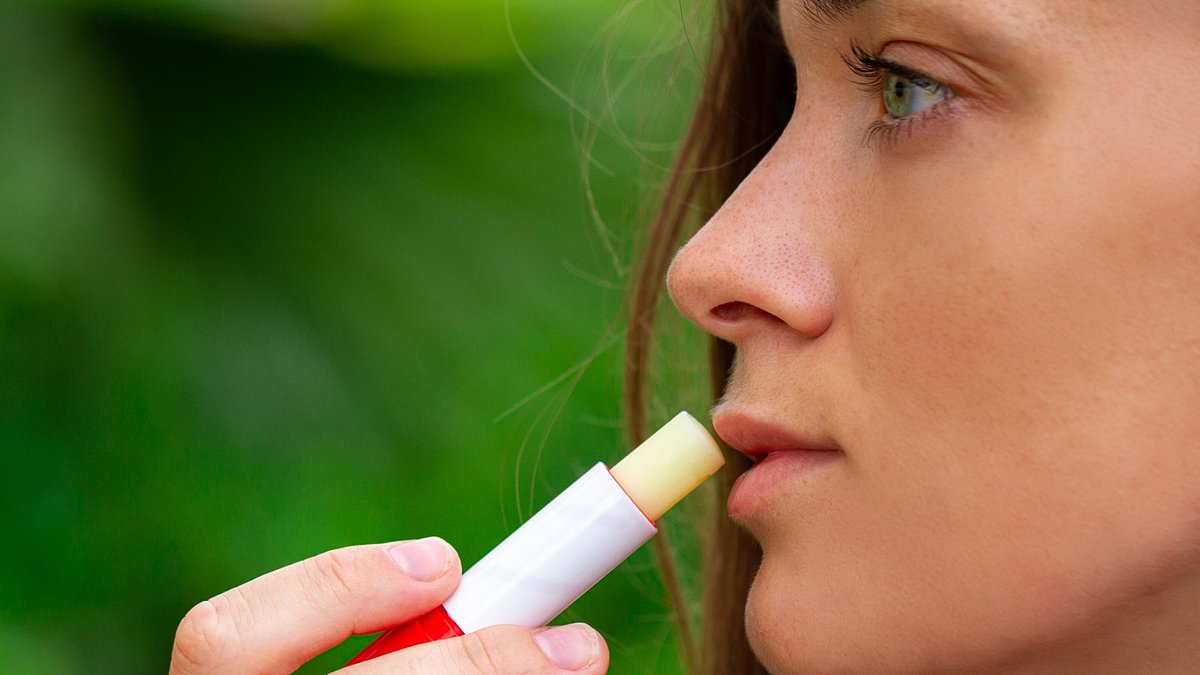

As the chilly season approaches, many individuals experience discomfort in the form of dry, sore, or chapped lips, often accompanying the common winter ailments like coughs and colds. This isn’t merely coincidental—our lips are particularly susceptible to drying because their skin structure significantly differs from the rest of our body.
The lips’ outer skin layer, the stratum corneum, is notably thinner and possesses fewer protective barriers. Unlike other parts of the body, lips don’t have sebaceous glands that produce oil to lock in moisture and bolster the skin’s defense. Consequently, moisture escapes more swiftly, making lips highly susceptible to harsh environmental conditions. Cold air, which holds less humidity, accelerates the evaporation of hydration. Wind exacerbates this by whisking away moisture, and indoor heating systems further deplete the air’s humidity.
These combined factors elucidate why lips often become tight, flaky, or sore during the winter months. Similar damage can occur in the summer when heat and UV rays can also compromise the skin’s integrity.
The hidden damage caused by lip licking
In response to the sensation of dryness, many people instinctively lick their lips, seeking temporary relief. However, this action ironically intensifies the problem. Saliva evaporates rapidly, exacerbating moisture loss, and contains digestive enzymes like amylase and lipase that can irritate the sensitive lip skin and impede its healing process.
Frequent lip licking can result in persistent inflammation. Consequently, lips may become red, sore, cracked, or scaly, potentially progressing to a condition known as lip licker’s dermatitis, a form of perioral eczema. This habit is particularly prevalent during cold weather and times of stress.
Additionally, picking or biting at the flaky skin can inflict further harm, introducing tiny breaks that hinder healing and create entry points for bacteria or fungi, occasionally leading to painful fissures, especially at the mouth’s corners. If the inflammation becomes severe or does not subside, consulting a pharmacist or GP might be necessary. They might suggest a brief course of mild topical steroids, to be used sparingly and for a short period.

Repeated lip licking can lead to ongoing inflammation
Are you drinking enough water?
Persistent dry lips aren’t always due to cold weather alone. Dehydration reduces overall skin hydration, which can worsen dryness and slow recovery.
That said, simply drinking more water won’t usually cure chapped lips on its own. Some medications are also well known to cause significant dryness. Oral isotretinoin (Roaccutane), used to treat acne, reduces sebum production, leaving the lips particularly prone to cracking and inflammation. Other medicines, including some antihistamines, antidepressants and acne treatments, can also contribute.
Irritant or allergic contact reactions are another common but often overlooked cause. Toothpaste, cosmetics and lip balms may contain ingredients that provoke inflammation. Fragrances, flavourings, preservatives and foaming agents such as sodium lauryl sulphate are frequent triggers. If dryness is persistent or worsening, stopping products one at a time can help identify the culprit.
Cracks at the corners of the mouth
When cracking is concentrated at the corners of the mouth, doctors consider angular cheilitis (also known as angular stomatitis). This can develop when saliva repeatedly pools at the mouth corners, allowing infection to take hold. The most common causes are fungal infection with Candida and, less often, bacterial infection such as Staphylococcus aureus.
Risk factors include frequent lip licking, drooling, ill-fitting dentures and conditions such as diabetes or reduced immunity. Less commonly, angular cheilitis is linked to nutritional deficiencies, particularly vitamin B12, iron or other B vitamins. Treatment depends on the cause. A protective barrier ointment is usually recommended first. If infection is suspected, a topical antifungal cream – sometimes combined with a mild steroid – may be prescribed. Where deficiency is identified, supplementation is needed.
Cold sores versus chapped lips
Cold sores are caused by reactivation of the herpes simplex virus (HSV-1). They usually start with tingling, itching or burning at the edge of the lip, followed by clusters of small, fluid-filled blisters. As they heal, these crust over and peel, which can be mistaken for simple dryness.
Cracked lips can increase the risk of reactivation. Once triggered, cold sores follow a predictable course, typically healing within seven to ten days and often recurring in the same area.
Treatment works best if started early. Antiviral creams containing aciclovir can shorten symptoms if applied at the first tingling stage. Oral antivirals may be prescribed for severe or frequent outbreaks.

A plain, fragrance-free lip balm used regularly is the most effective treatment for dry lips
How you could be making it worse
Licking, picking or biting the lips keeps irritation going and delays healing. Sharing lip balms should also be avoided, as this can spread infection, including cold sores. Lip balms that tingle or sting – often containing peppermint, menthol, camphor or cinnamon – can irritate sensitive lips. Fragrances and flavourings are also common triggers, even in products labelled ‘natural’.
Scrubs, brushes or home remedies such as sugar rubs can strip away fragile skin, increasing the risk of cracking and infection. A plain, fragrance-free lip balm used regularly is the most effective treatment. Ingredients such as petroleum jelly, beeswax and ceramides seal in moisture and protect against further damage. Apply with clean hands and reapply often, especially after eating or drinking.
If lips stay sore, constant product switching may be the problem. Changing balms every few days can perpetuate irritation. Sensitive lips need one bland product used consistently. Give any new balm at least seven to ten days before deciding it hasn’t worked. UV exposure can worsen lip damage over time. A lip balm with SPF is worth using when spending extended time outdoors, even in winter.
Covering your mouth with a scarf in cold, windy weather can also help reduce moisture loss, and some people find a humidifier useful indoors.
When to seek medical advice
For most people, dry lips settle within a couple of weeks with basic care. If symptoms persist or are painful, lips repeatedly crack or show signs of infection – such as redness, swelling or oozing – speak to a pharmacist or GP, who can assess and recommend targeted treatment if needed.
Could they be a sign of something sinister?
In the vast majority of cases, dry or cracked lips are harmless. However, doctors do look out for a small number of warning signs that suggest a lip problem may need checking.
One condition clinicians watch for is actinic cheilitis – a precancerous change caused by long-term sun exposure, usually affecting the lower lip. It can appear as persistent dryness or scaling that doesn’t heal, rough or thickened skin, pale or white patches, or repeated crusting in the same area.
Very rarely, lip changes can indicate early lip cancer. Red flags include a sore, lump or ulcer that doesn’t heal, unexplained bleeding, or a noticeable change in the shape or texture of the lip.
Anyone with lip symptoms lasting more than two to three weeks despite treatment, or with a single area that keeps recurring, should speak to a pharmacist or GP. Early assessment is simple and reassuring.