As tensions rise on the streets of Minneapolis, anti-ICE protesters are making their presence known in ways that have raised eyebrows and concerns. According to Adam Swart, CEO of Crowds on Demand, a company specializing in organizing protests, the demonstrations have veered into unlawful territory, leading his firm to steer clear of involvement altogether.
Swart shared with Fox News Digital that the protests, characterized by road blockades and confrontations with federal agents, are beyond the bounds of legality. “We wouldn’t approach the Minneapolis protests even with a 10-foot pole,” Swart emphasized, pointing to the dangerous climate that has emerged following a fatal incident during an ICE operation.
He elaborated that actions such as obstructing law enforcement and issuing threats are illegal, and his company has a strict policy against participating in any illegal demonstration. Swart cautioned that the current state of unrest might ironically bolster ICE activities rather than diminish them, which runs counter to the demonstrators’ intentions.
The blend of peaceful protesters with more aggressive elements poses significant challenges, Swart noted. “Many of the individuals taking to the streets are actually violent. They’re unstable and pose a risk not just to themselves but also to those protesting peacefully,” he stated. This volatile mix is a primary reason his firm is avoiding involvement in the Minneapolis situation.
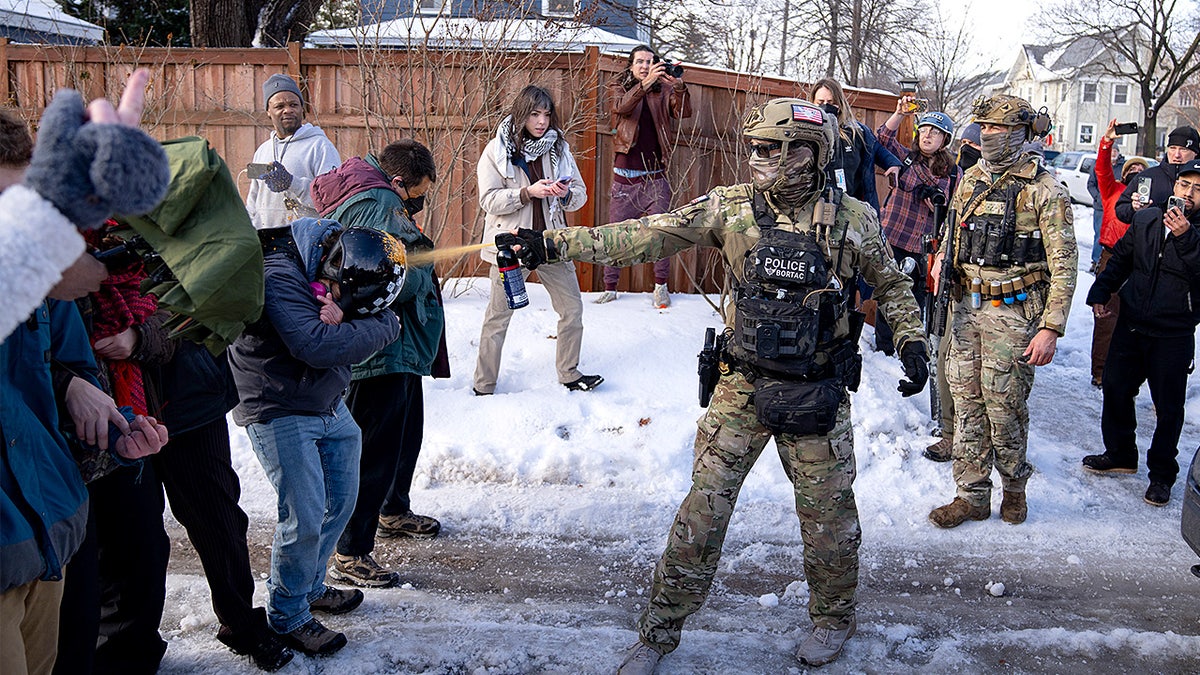
Amidst these protests, a distressing image emerges of a Border Patrol Tactical Unit agent deploying pepper spray on an agitator attempting to block an immigration officer’s vehicle in Minneapolis on January 7th, as captured by Alex Kormann for The Minnesota Star Tribune.
“A lot of the people protesting on the streets are actually violent,” he said. “They are unhinged, unstable people who pose a risk to peaceful protesters. That’s why we’re staying out.”
Swart rejected claims that blocking roads or confronting officers amounts to “nonviolent resistance,” calling those actions inherently dangerous, particularly during active law enforcement operations.
“When you block the ability of federal agents to get in and out of a scene, you are putting them at risk from a violent mob,” he said. “That ability to enter and exit safely is fundamental to law enforcement.”
He added that winter conditions only compound the danger.
“The roads are icy and snowy,” Swart said. “You’re creating barriers that put vehicles at risk, and you’re also putting yourself and other protesters at risk.”
Beyond law enforcement concerns, Swart warned that road blockages endanger the broader community.
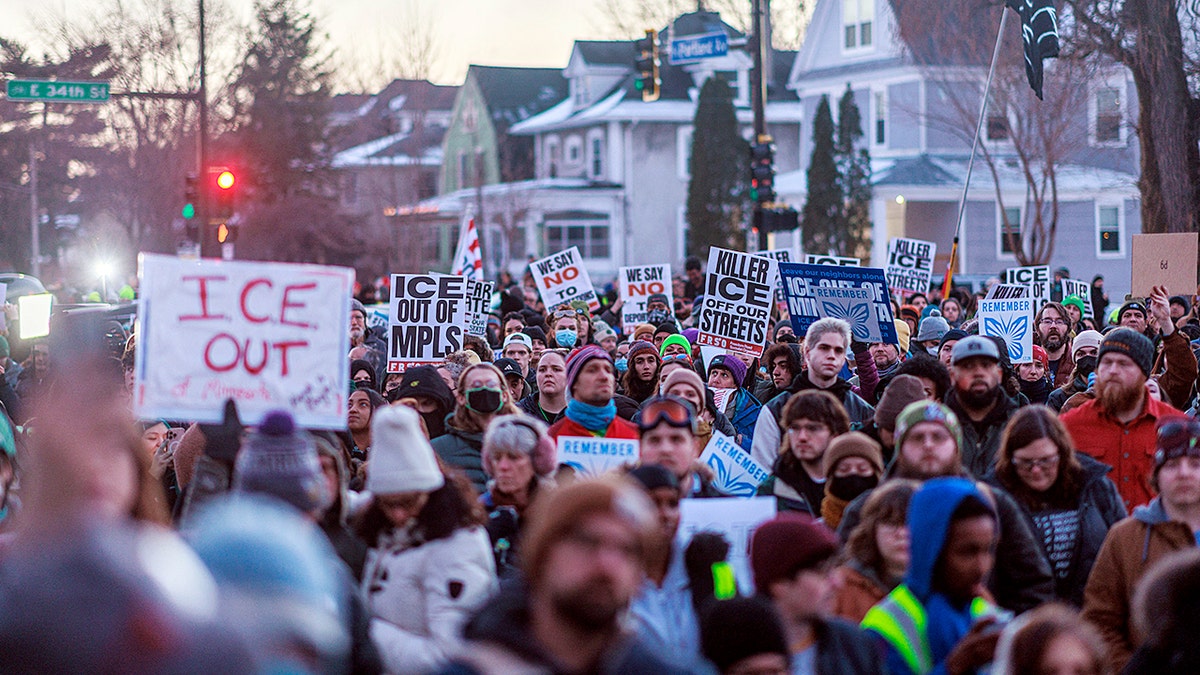
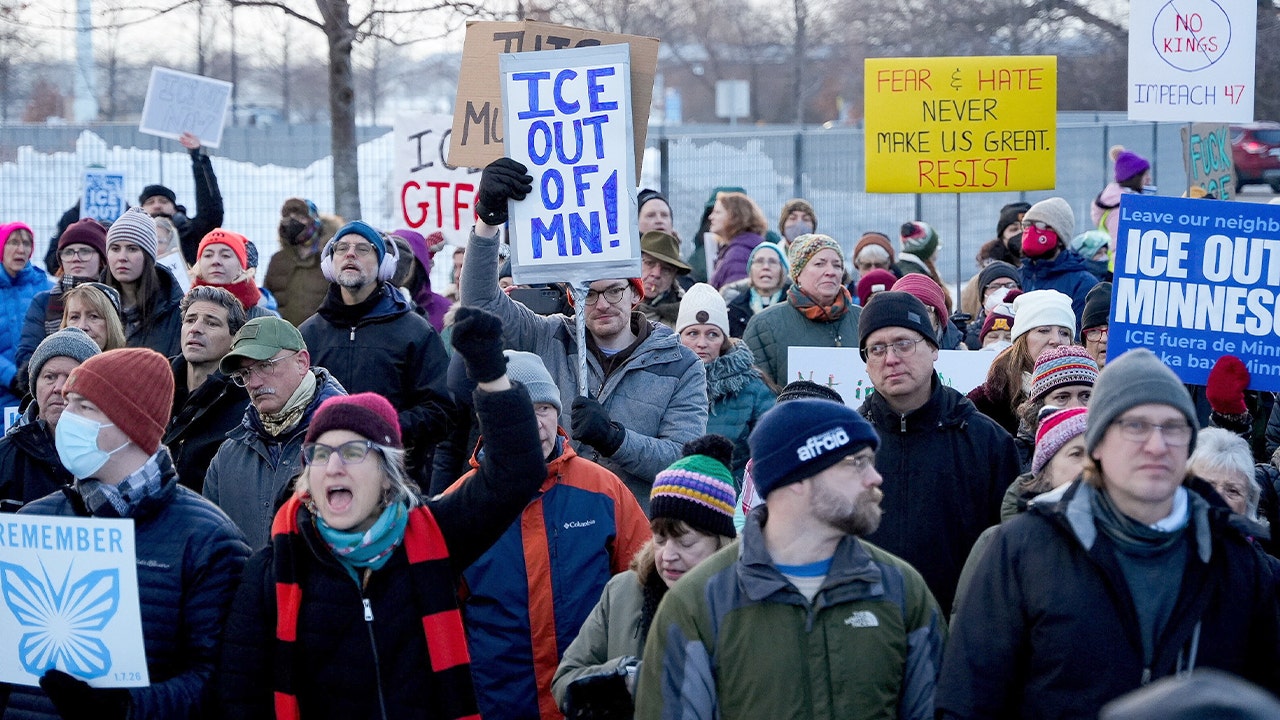
People demonstrate against ICE during a vigil honoring a woman who was shot and killed by an immigration officer earlier in the day in Minneapolis, Minnesota, on Jan. 7, 2026. (Kerem YUCEL / AFP via Getty Images)
“Who else can’t get through when roads are blocked? Ambulances. Fire trucks,” he said. “Emergency services have nothing to do with politics, and you’re making it impossible for them to do their jobs.”
Swart said such tactics ultimately undermine protesters’ stated goals and strip their message of credibility.
“When protesters commit illegal activity, what’s lost is the substance of the message,” he said. “People don’t hear what you’re protesting, they just see the blocked street.”
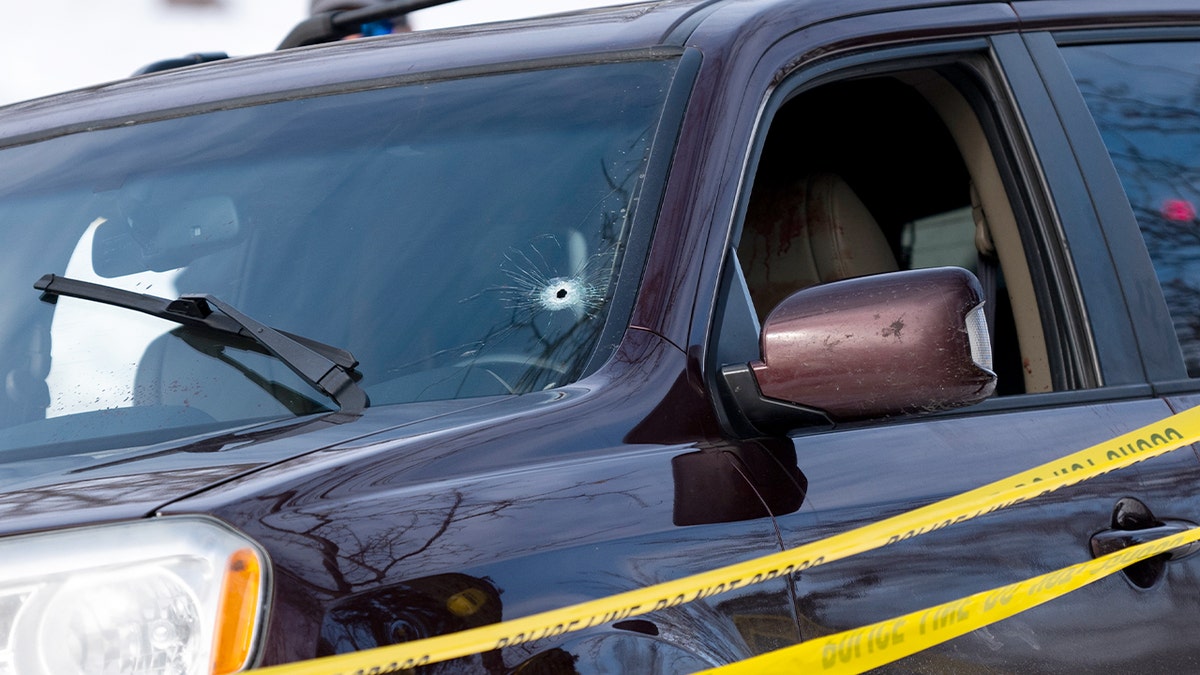
A bullet hole is visible in the windshield of a vehicle involved in a shooting by an ICE agent during federal law enforcement operations on Jan. 7, 2026, in Minneapolis, Minnesota. (Stephen Maturen/Getty Images)
The agitators took to the streets after a fatal encounter between ICE agents and 37-year-old Renee Nicole Good during a federal enforcement operation in south Minneapolis, according to the Department of Homeland Security (DHS).
DHS said agents were attempting to make arrests when Good allegedly attempted to use her vehicle as a weapon against officers, prompting a federal agent to fire in self-defense, killing Good. The incident remains under investigation.
Homeland Security Secretary Kristi Noem said the shooting was “preventable” and occurred amid escalating interference with federal officers. She said ICE agents became stranded when one of their vehicles was stuck in the snow and were surrounded and blocked by agitators.
According to Noem, Good repeatedly obstructed officers, ignored commands to exit her vehicle, and then “weaponized her vehicle” in an attempt to run over an officer, who was struck and later treated at a hospital.
Swart said the unrest following the shooting underscores why his firm refuses to participate in confrontational activity.
“The chaos on the streets of Minneapolis shows why our approach—peaceful, lawful, persuasive, respectful—is the most effective,” he said.
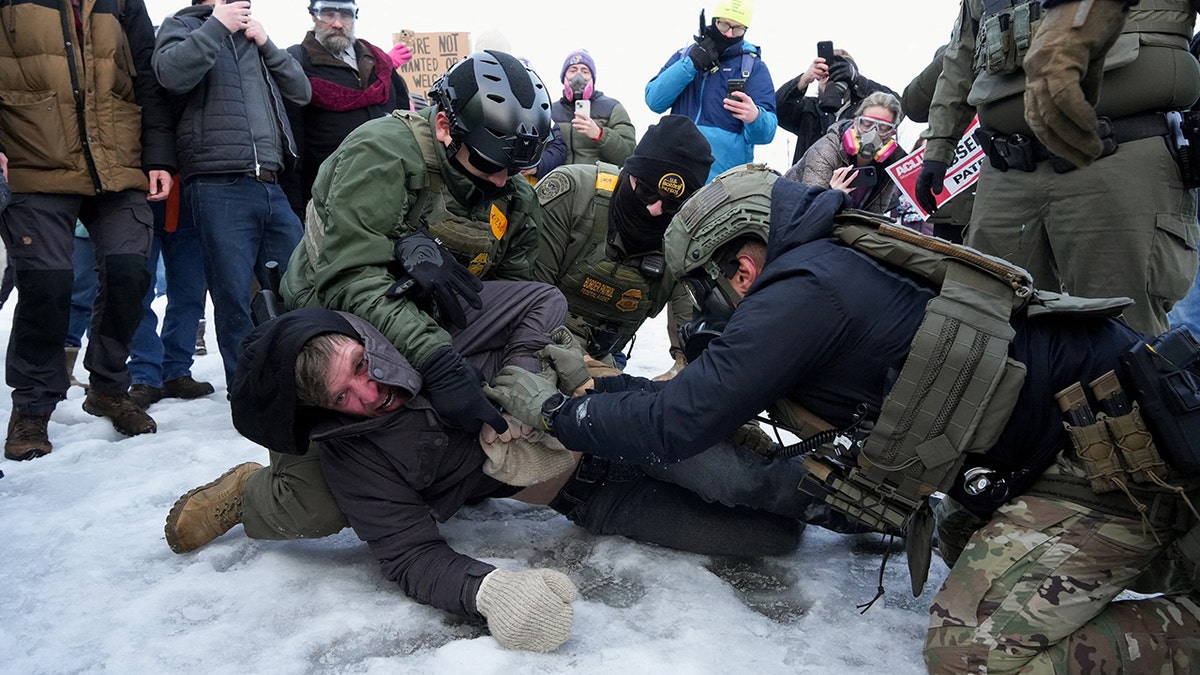
Border Patrol federal agents detain an agitator after the fatal shooting of Renee Nicole Good by a U.S. Immigration and Customs Enforcement (ICE) agent, during a rally against increased immigration enforcement across the city outside the Whipple Building in Minneapolis, Minnesota, Jan. 8, 2026. (Tim Evans/Reuters)
Swart warned the street unrest is actively counterproductive.
“If protesters think this will deter ICE, they’re wrong,” he said. “What’s far more likely is that ICE will increase its presence to deal with agitators. The administration will want to show it won’t be intimidated.”
He added that he has long offered Minneapolis leaders and stakeholders the opportunity to run lawful campaigns aimed at improving safety and restoring order, but said fear and intimidation have stalled those efforts.
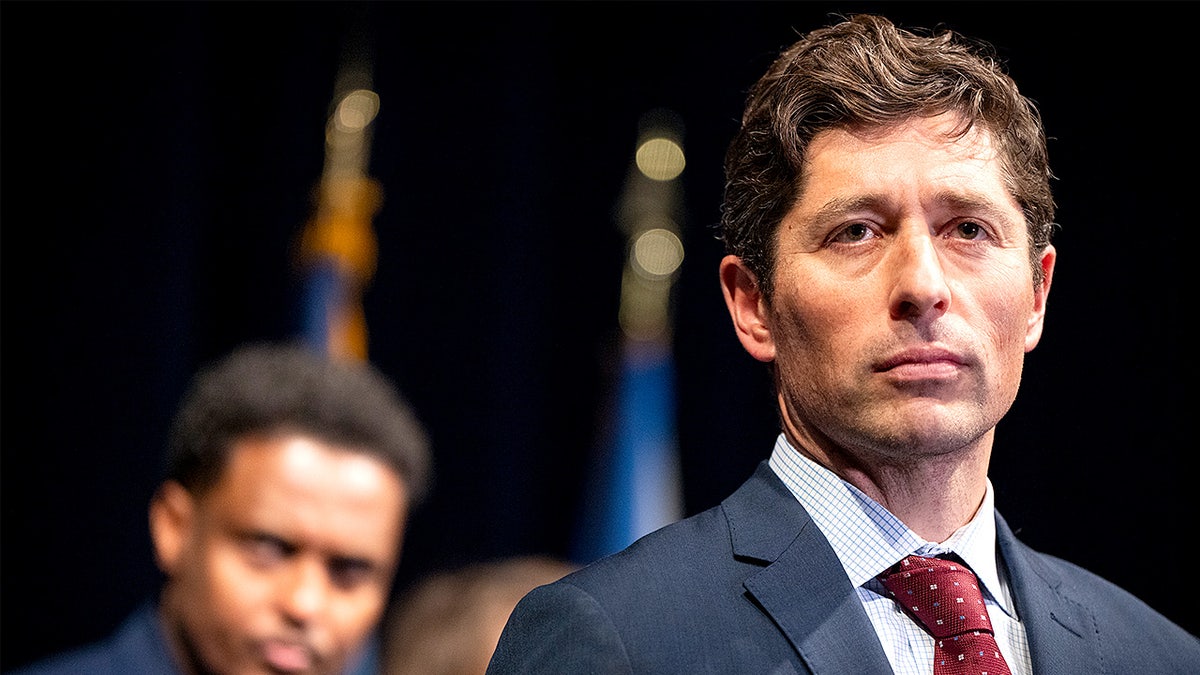
Minneapolis Mayor Jacob Frey speaks during a news conference at City Hall in Minneapolis, Minnesota, on Dec. 2, 2025. After the Jan. 7 shooting, he told federal immigration authorities Wednesday to “get the f—” out of the city. (Leila Navidi/The Minnesota Star Tribune via Getty Images)
Swart blamed that climate for the city’s continued decline, pointing to reduced police presence, shuttered businesses and the recent loss of Minneapolis’ only commuter rail line.
“There’s no one in Minneapolis who believes the city is well run,” he said. “It’s failing by any objective standard.”
Swart said the city can still recover, but only if residents reject intimidation and lawlessness.
“This can be your rock bottom,” he said. “You don’t need to fall further. But people have to find the courage to stand up for their city.”
“I want to engage in making Minneapolis a better place,” Swart added. “Not adding to the chaos currently unfolding.”
Stepheny Price covers crime, including missing persons, homicides and migrant crime. Send story tips to stepheny.price@fox.com.