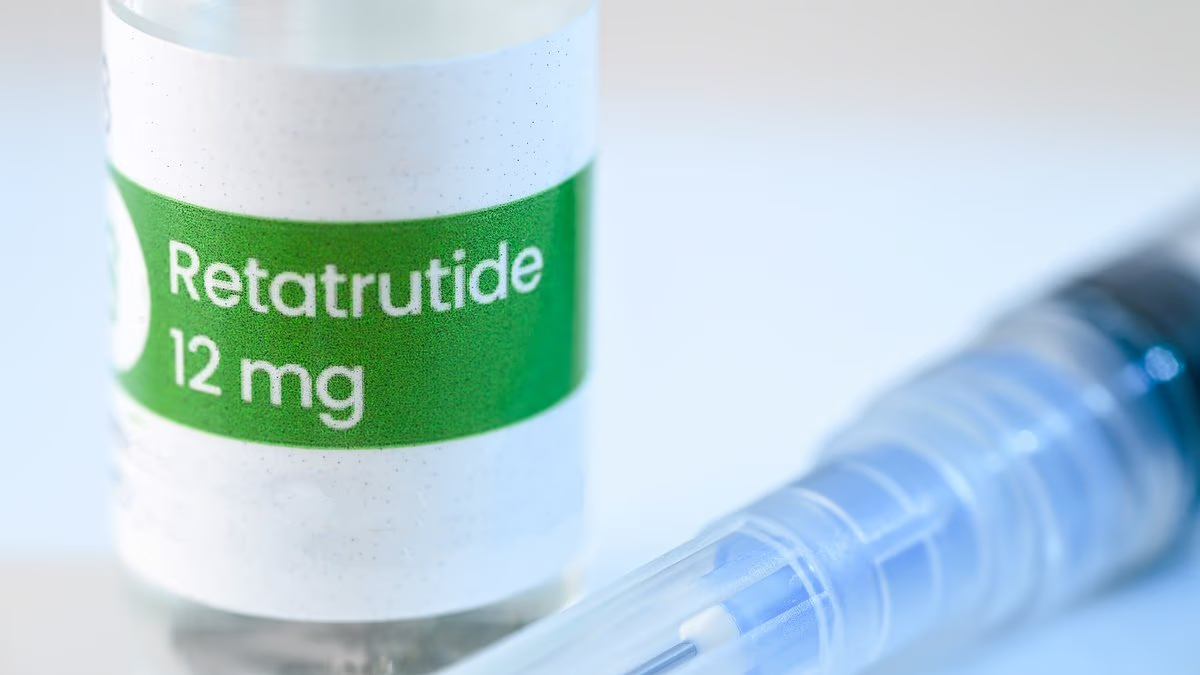

Heightened addiction warnings are set to appear on a range of prescription medications commonly used for managing pain, anxiety, and insomnia, including the drugs gabapentin and pregabalin.
This update comes from the Medicines and Healthcare products Regulatory Agency (MHRA), which decided to emphasize the addictive potential of gabapentinoids, benzodiazepines, and z-drugs following a recent safety assessment.
The revised patient information leaflets for these medications, which are prescribed for conditions like nerve pain and insomnia, will now include a clear warning stating they “may cause addiction, dependence, and withdrawal reactions.”
Additionally, these leaflets will feature clearer explanations of dependence and addiction, better guidance on the safe discontinuation of use, and advice intended to foster discussions between patients and healthcare providers throughout the treatment process.
Gabapentin and pregabalin, categorized as gabapentinoids, are mainly prescribed for nerve pain and epilepsy. However, they are also used “off label” to address other medical issues.
Data from the NHS for the 2022/2023 period revealed that around 4.5 million individuals in England were prescribed gabapentinoids, underscoring the widespread use of these medications.
They affect the GABA neurotransmitters in the brain to produce pain relief, a reduction in anxiety, numbing and sedation.
It’s estimated that around 800,000 people take pregabalin every day in the UK for pain relief or anxiety—and a percentage of them fear they will never be able to stop taking them as they have become physically dependent on them.

Pregabalin is being given stronger addiction warnings
Coming off of gabapentin can be equally difficult, with some users buying additional tablets online or from street dealers because they need higher doses to feel the effects.
As part of the review, the Commission on Human Medicines (CHM) not only put forward changes to packaging and product information, but additional warnings not to use these medicines with opioids or alcohol, and to not share medication with others.
Benzodiazepines, a class of drug which can combat severe, disabling anxiety or insomnia during a crisis, are usually only prescribed as a short-term solution, with GPs issuing a two to four week prescription.
Also known as ‘benzos’, the ones issued by the NHS include diazepam, which is the most used benzodiazepine in the UK and also prescribed to help with alcohol withdrawal symptoms; lorazepam and temazepam which are also used ahead of surgical procedures; and chlordiazepoxide, which is used for alcohol withdrawal.
Clobazam and clonazepam are also benzodiazepines, but are used to manage epilepsy and seizures rather than anxiety.
Alprazolam, also known as Xanax, is only available via private prescription in the UK.
Z-drugs are a class of non-benzodiazepine medications primarily prescribed for the short-term treatment of severe insomnia. And, despite being seen as ‘sleeping pills’, the Z doesn’t reflect users finally knocking out some zeds, but because the generic names of many of the initial drugs in this class start with the letter ‘Z’.
The Z-drugs currently issued by the NHS are zopiclone (also known as Zimovane or Imovane) and zolpidem (branded as Ambien and Stilnoct).
Another drug, Zaleplon (known as Sonata or Starnoc) stopped being prescribed in the UK in 2004.
Dr Alison Cave, MHRA Chief Safety Officer, said: ‘Addiction and dependency can happen to anyone taking these medicines, even when used as directed.
‘That’s why we are strengthening warnings so patients and healthcare professionals can better understand the risks.
‘These medicines remain valuable treatments for many patients and it’s important they have the information they need to be able to use them safely.
‘If you have any questions about your medication use or side effects, please speak to a healthcare professional.
‘Do not stop taking your medicine without advice, as this could cause withdrawal symptoms.’