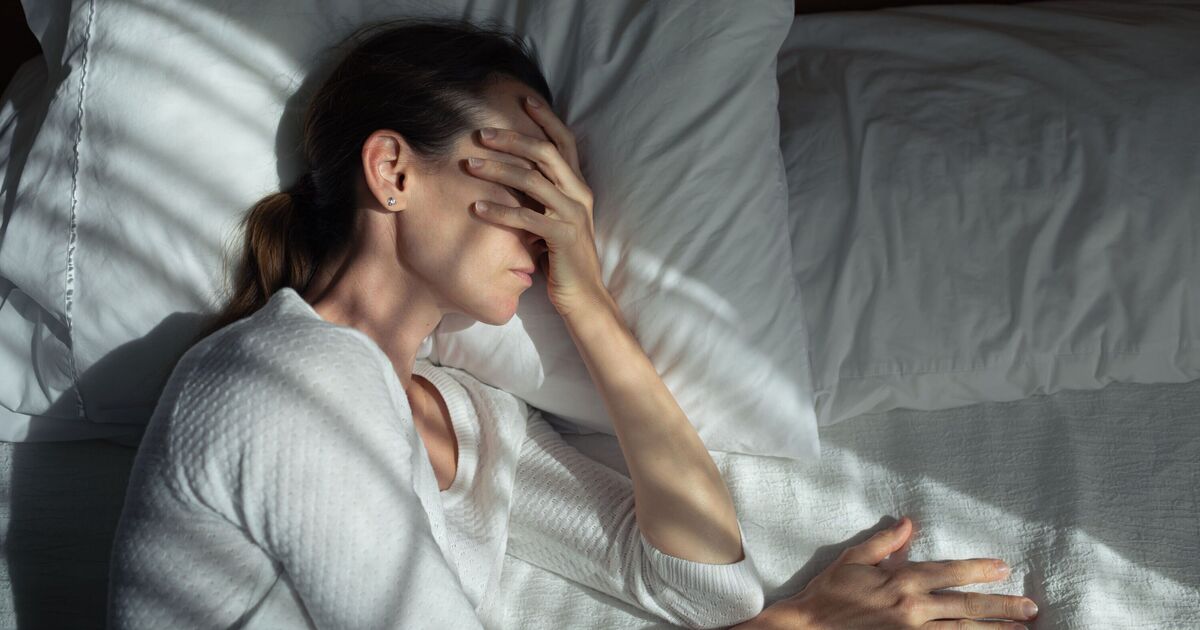

As winter’s chill sets in, many people find themselves grappling with restless nights, struggling to attain the peaceful slumber they desperately need. In light of this, a doctor has highlighted a common mistake that could be hindering our ability to fall asleep during the colder months. As temperatures drop, the NHS underscores the importance of quality sleep, noting its positive impact on mental health, including mood enhancement, stress reduction, and anxiety relief. Aiming for better sleep is a common New Year’s resolution, with the health service advising that adults typically need between seven and nine hours of sleep each night.
Social media platforms are awash with advice on achieving better sleep, offering a plethora of mental strategies and breathing techniques endorsed by both experts and enthusiasts. Dr. Gareth Nye, a lecturer in Biomedical Science at the University of Salford, has teamed up with nightwear brand Pretty You London to delve into winter sleep habits. He points out a prevalent mistake that many of us make, which could be sabotaging our efforts to drift off peacefully.
The culprit? Overheating our bedrooms. While it may seem logical to crank up the thermostat to combat the icy winter air, this practice can actually hinder our ability to sleep well.
Dr. Nye elucidates, “A key aspect of the sleep process involves a decrease in core body temperature. Cooler room conditions are generally conducive to better sleep, though abrupt temperature drops can lead to shivering and discomfort, which disrupt sleep.”
In an attempt to ward off the cold, many opt to keep their heating on high throughout the night. However, Dr. Nye warns that this approach often backfires.
“When bedrooms are excessively warm, the body struggles to achieve the necessary cooling,” he explains. “This can disturb the natural decline in core temperature that cues the brain to initiate sleep.”
A room that feels cosy at bedtime can lead to restless sleep later because the body has to work harder to regulate its temperature. The result is waking up feeling hot, clammy or unsettled in the early hours.
Of course, this doesn’t mean you should go to bed shivering or feeling cold. Phoebe Street, brand marketing manager and sleep expert at Pretty You London, said keeping the bedroom cooler while warming the bed itself is key.
Phoebe explained: “Bedrooms feel most comfortable for sleep when they’re on the cooler side, usually around 16 to 18 degrees. Warming the bed itself works better than heating the whole room all night.
“A hot water bottle under the duvet for a short time helps take the edge off the cold. Wearing long, breathable pyjamas also keeps you comfortable without overheating, and lighter layers of bedding give you more control through the night.”
Hands and feet also play a bigger role than many people realise. Dr Nye shared: “When your feet warm up, the blood vessels widen. This helps your body release heat and allows your core temperature to drop, which is the signal it uses to begin sleep.”
He referenced research from 2018 which demonstrated how people who wore socks to bed fell asleep about seven minutes faster, slept longer, and woke less often than those who did not.
The doctor added: “The mechanism is simple; warm feet support vasodilation and help the body settle. Loose socks made from natural fibres work best. Anything tight reduces circulation, which has the opposite effect.”