
Share this @internewscast.com
People living with depression are facing a major gap in treatment options as researchers discover why antidepressants might not be helping many address their symptoms.
The University of Sydney’s Brain and Mind Centre has undertaken the largest study of its kind of almost 15,000 Australians living with depression, 75 per cent of whom were women.
Researchers identified a distinct “atypical depression” strongly linked to other mental and physical illnesses.
Symptoms of atypical depression included weight gain and excessive sleep during their worst depressive episodes, which are different to characteristics traditionally associated with depression.

Antidepressants are commonly prescribed as the initial approach to treating depression. However, recent research indicates that individuals with a specific illness profile, known as atypical depression, are less likely to benefit from these medications and are more prone to experiencing adverse effects like additional weight gain.

Atypical depression was more common in women and the findings suggested a major gap in treatment for those experiencing it, lead author Mirim Shin said.
“Depression is not a one-size-fits-all and there are many different types,” she said.

Experts note that those suffering from atypical depression exhibit a higher genetic predisposition to various mental and physical health conditions, including diabetes. Unfortunately, this group also tends to respond poorly to traditional antidepressants.

One individual, who was dealing with atypical depression, faced challenges due to physical symptoms such as metabolic, sleep, and inflammatory issues, which complicated the diagnosis process. This made it difficult to pinpoint the root cause of her struggles.

Alexis Hutcheon struggled with the side effects of common antidepressants for more than a year before she was able to find a treatment that worked for her.

Acknowledging the complexity of her condition, she admits, “Even though I’ve worked in mental health for a long time, I didn’t recognize some of the things I was experiencing as depression,” said Hutcheon.
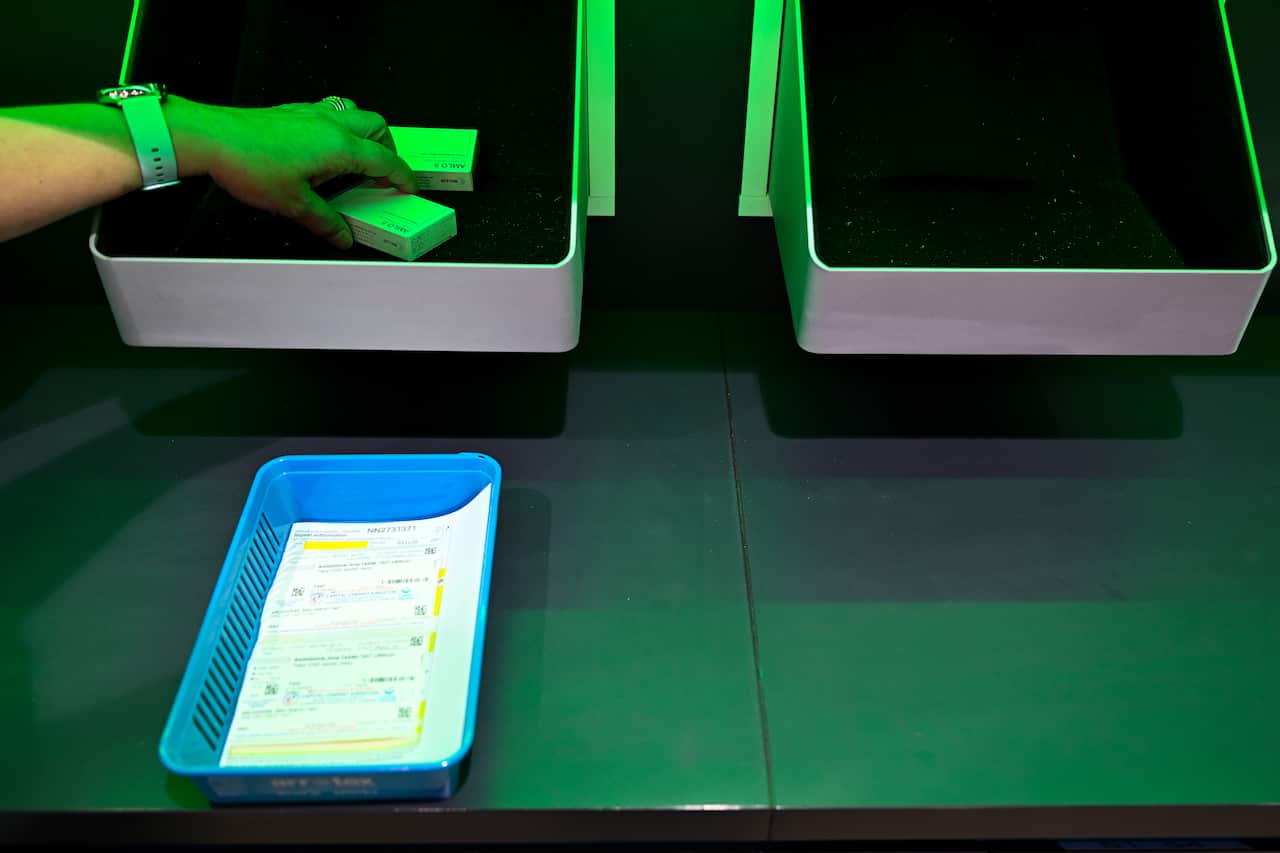
Packaged medication being dispensed into a basket.

The study’s findings highlight the potential influence of biological processes, like a disrupted body clock, in atypical depression. This insight underscores the necessity for alternative treatment methods focusing on the circadian rhythm, offering hope for more effective management of this unique depression type.

“Even though I’ve worked in mental health for a long time, I didn’t recognise some of the things I was experiencing as depression,” Hutcheon said.

“The antidepressants I was prescribed either worked for a little bit and stopped, or I couldn’t handle the side effects.”
Hutcheon took part in a clinical trial that helped address her atypical depression, but she said more education was needed for clinicians and patients.
“Physical and mental health is all linked and understanding that and having that explained to you is really important,” she said.
“This sort of research starts a conversation about not having a one-size-fits-all approach, and shifting the thinking that one single diagnosis won’t be treated in the same way for everyone.”

The study findings suggested biological processes, such as a dysregulated body clock, might be behind atypical depression, and showed the need for alternative treatments that targeted the circadian rhythm.


“By understanding this unique trajectory leading to atypical depression, we can tailor treatments to individuals based on an individual’s biology,” Shin said.
“This personalised approach would ensure people got help sooner and avoid ineffective and prolonged medication trials that may cause side effects that can be distressing.”
A significant number of Australians, many of them women, were not receiving the right treatment the first time they sought help, Brain and Mind Centre co-director Ian Hickie said.
“This research makes a strong case for more precise treatment for individuals based on their biology as a vital tool in tackling increasing rates of depression.”

Share this @internewscast.com
You May Also Like
Reza Pahlavi wants to lead Iran in a transition to democracy.

Exiled Prince Reza Pahlavi Poised for Political Comeback: Iran’s Future Leadership in the Balance

Reza Pahlavi is lobbying to lead Iran, in spite of the fact…
St Vincents Breast Screen Clinical Director Dr Helen Frazer.

Revolutionary Australian AI Tool Unveils Hidden Health Risks Beyond Human Detection

A landmark artificial intelligence tool developed to detect and predict the risk…
Iran's chilling Trump threat after sub sinking

Iran Issues Ominous Warning to Trump Following Submarine Incident

Israel has reported several missile attacks, with air raid sirens activated in…

Why Less Than 50% of Young Australians Now Question the Value of Democracy

In brief Research from ANU has found Australians are broadly supportive of…

Government Backs Down: Controversial Freedom of Information Reforms Scrapped Amid Widespread Backlash

IN brief The proposed reforms had faced wide opposition from the Opposition,…

US Commander Warns of Accelerated Iranian Strikes Impacting Global Markets

In brief US commander says “24/7 strikes into Iran from seabed to…
A woman has been charged after a baby was found dead in a home at Adelaide's north.

Tragic Discovery: Adelaide Woman Faces Charges in Heartbreaking Infant Death Case

An Adelaide woman is now facing charges following the tragic death of…
Prime Minister Anthony Albanese during Question Time at Parliament House in Canberra on Thursday 5 March 2026. fedpol Photo: Alex Ellinghausen

Australia Deploys Military Assets to Middle East: PM Confirms Strategic Move

Prime Minister Anthony Albanese announced today in parliament that Australia would be…

Parliament Launches Inquiry into Racism and Violence Faced by First Nations Communities

An inquiry into racism against First Nations people has been set in…
Israel vows to assassinate Iran's new supreme leader

Breaking: Israel’s Bold Promise to Target Iran’s Newly Appointed Supreme Leader Sparks Global Tensions

The United States and Israel hit Iran‘s capital and other cities in…

Albanese and Trudeau Unite: A Strategic Call for Middle East Peace and De-escalation

IN BRIEF Canadian Prime Minister Mark Carney is in Australia for a…
Kristina Mariah Calder (pictured) shares her luxurious holidays on social media, featuring her boyfriend, Joel Samuel Lee Williams as they visit Bali, Paris, Thailand and New Zealand

Influencer Couple Arrested After Posting Lavish Japan Trip Video: A Glamorous Journey Cut Short

A renowned influencer known for her lavish lifestyle and globetrotting adventures, along…