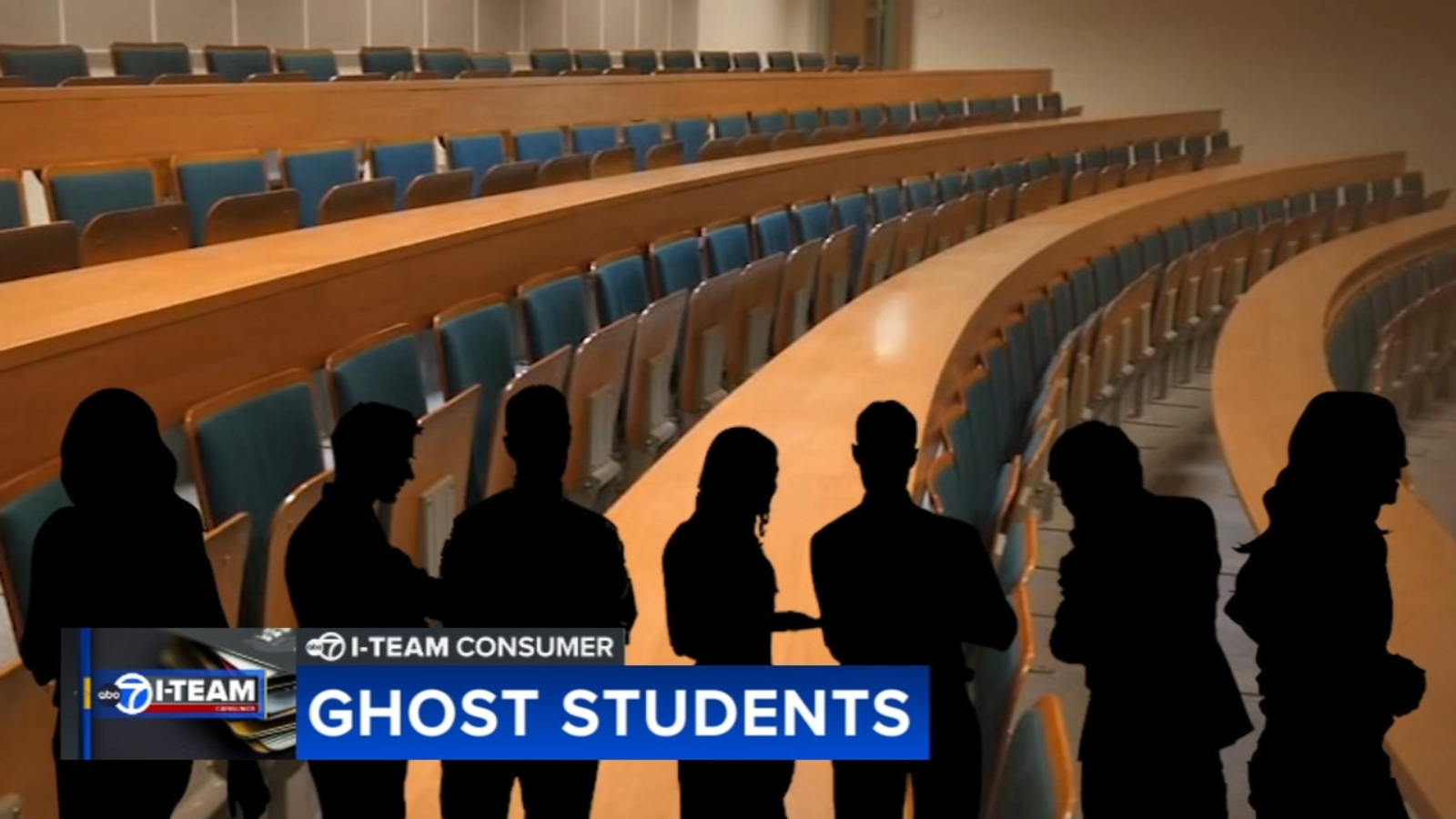

In a troubling trend, “ghost students” are emerging as a new breed of scammers, exploiting educational systems by stealing identities to secure federal loans, only to vanish with the funds. According to Jason Williams, Assistant Inspector General for Investigation at the U.S. Department of Education, individuals may fall victim to such schemes without even realizing it.
“These identity thieves are not repaying the loans they’ve taken out, leaving unsuspecting individuals with debts they didn’t incur. You might suddenly receive a notification from the Department of Education, a loan servicer, or even the IRS, stating that you owe money for educational expenses you weren’t aware of,” Williams explained.
ABC7 Chicago is now streaming 24/7. Click here to watch
The open enrollment policies of community colleges, which accept nearly all applicants, make them particularly susceptible to these fraudulent activities. Alarmingly, some institutions report that over a third of their recent applicants have been found to be fictitious.
“There are cases where individuals are simultaneously enrolled at multiple institutions, receiving financial aid from each one,” Williams noted, shedding light on the scope of the fraud.
Murat Mayor, a 58-year-old resident of suburban Washington, D.C., discovered that he and his teenage son were unwitting victims of such a scam. While applying for college financial aid, they learned that their identities had been stolen and used to register for classes at community colleges nationwide.
“We observed an unusual flurry of activity, with multiple applications for loans and grants appearing under our names,” Mayor recounted.
“There are many ways people learn they are a victim of ID theft. Sometimes, they may check their credit report and notice an account they don’t recognize. So, you can get a free credit report from annualcreditreport.com. If you don’t recognize an account, that could be a sign you are a victim of ID theft,” said Federal Trade Commission Midwest Region Director Jason Adler.
Whether you’re a student or a senior, Adler says the best way to protect yourself is to freeze your credit online for free with the credit bureaus. However, if you’re a minor, you may have to call all the credit bureaus, and if you’re 16 or under, call with a parent, and ask them to “create a credit file.”
“The way it works for minors is, the credit bureau will create a credit file for the first time and put the freeze in place,” Adler said.
Eva Velasquez from the Identity Theft Resource Center says while freezing credit can help stop loans from being distributed, lenders and colleges also need to improve the verification process.
“They want to create access and make it easy for students to enroll. And I understand that. And that is an important piece of it, but you also want a little bit of friction, because you want to make sure that person is who they say they are,” Velasquez said.
But the federal government says scammers often use artificial intelligence to expand their reach and circumvent fraud detection controls.
“These bad actors take core identity credentials that can belong to someone like, you know, Social Security number, a driver’s license number, name, date of birth, that type of information. And then they mix it with fake information, like maybe a bank account, where they want the funds to be deposited,” Velasquez said.
The Identity Theft Resource Center and the FTC can help you fight identity theft for free:
According to the Department of Education’s Inspector General, the federal government has lost more than $350 million to ghost student scams with more than 200 active investigations nationwide.
For more of ABC’s investigation into ghost students and the nationwide rise of financial aid scams, tune in to Good Morning America on Wednesday morning and check out ABC News platforms throughout the day.
Copyright © 2026 WLS-TV. All Rights Reserved.