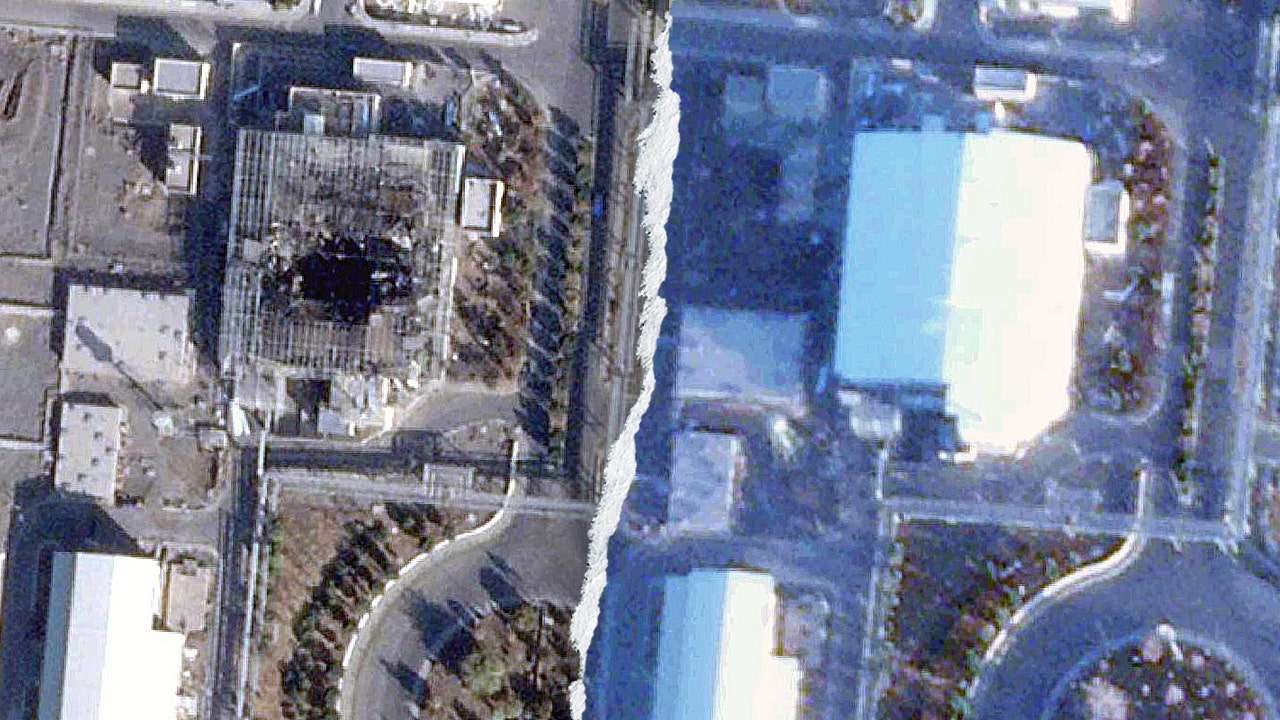

Recently acquired satellite imagery reveals that roofs are being constructed over compromised structures at Iran’s nuclear facilities, which were targeted by the United States and Israel last year.
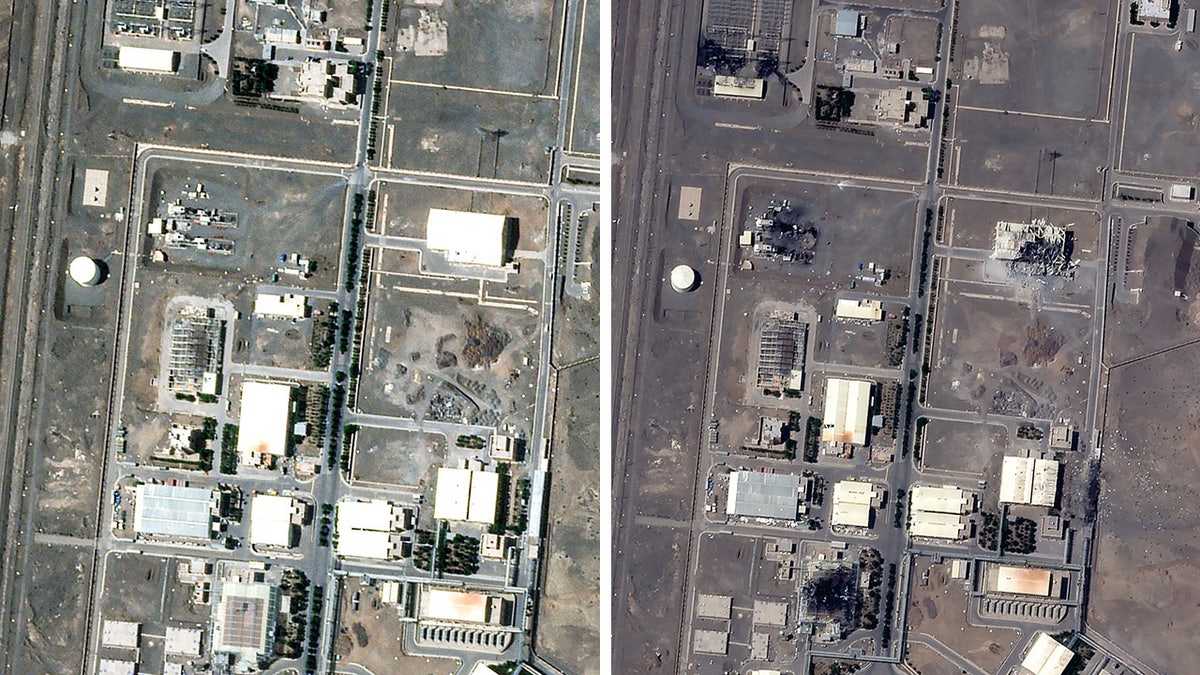
These images, provided by Planet Labs PBC, display newly erected coverings atop buildings at the Isfahan and Natanz sites, following the strikes in June 2025.
The installations are thought to be part of Iran’s strategy to determine if critical resources, such as their limited reserves of highly enriched uranium, withstood the attacks, according to Andrea Stricker from the Washington-based Foundation for Defense of Democracies, who discussed the matter with The Associated Press.
“Their aim is to access any salvaged materials without the scrutiny of Israel or the United States,” she elaborated.
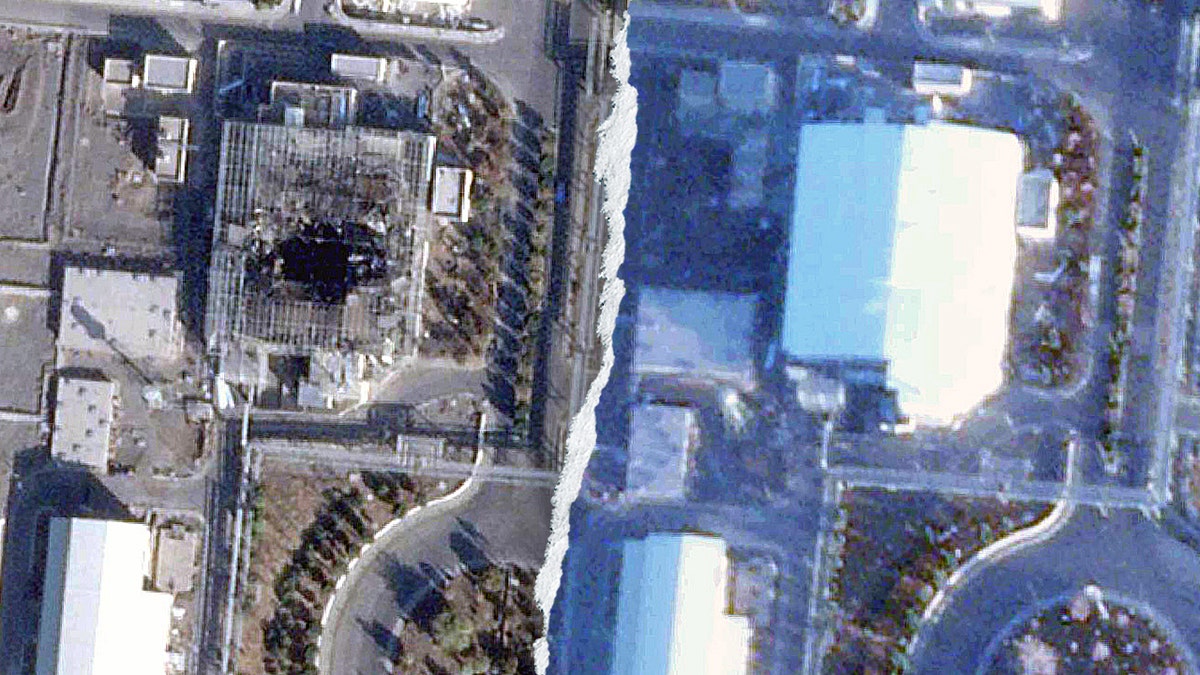
A photograph from December 3, 2025, shows the debris of the Pilot Fuel Enrichment Plant at Natanz. In contrast, a satellite image taken on January 28, 2026, illustrates a new roof covering the facility. (Image courtesy of Planet Labs PBC via AP)
These new structures obscure the view from satellites, currently the only means through which the International Atomic Energy Agency can oversee activities at these sites, given that Iran has restricted direct access.
The Natanz site, which is about 135 miles south of Iran’s capital of Tehran, is a mix of above- and below-ground laboratories that did the majority of Iran’s uranium enrichment.
The facility outside the city of Isfahan was mainly known for producing the uranium gas that is fed into centrifuges to be spun and purified.
Satellite images show Iran’s Isfahan nuclear facility on the left on Dec. 7, 2025, and on the right on Jan. 28, 2026, following the completion of a new roof over one of the damaged buildings. (Planet Labs PBC via AP)
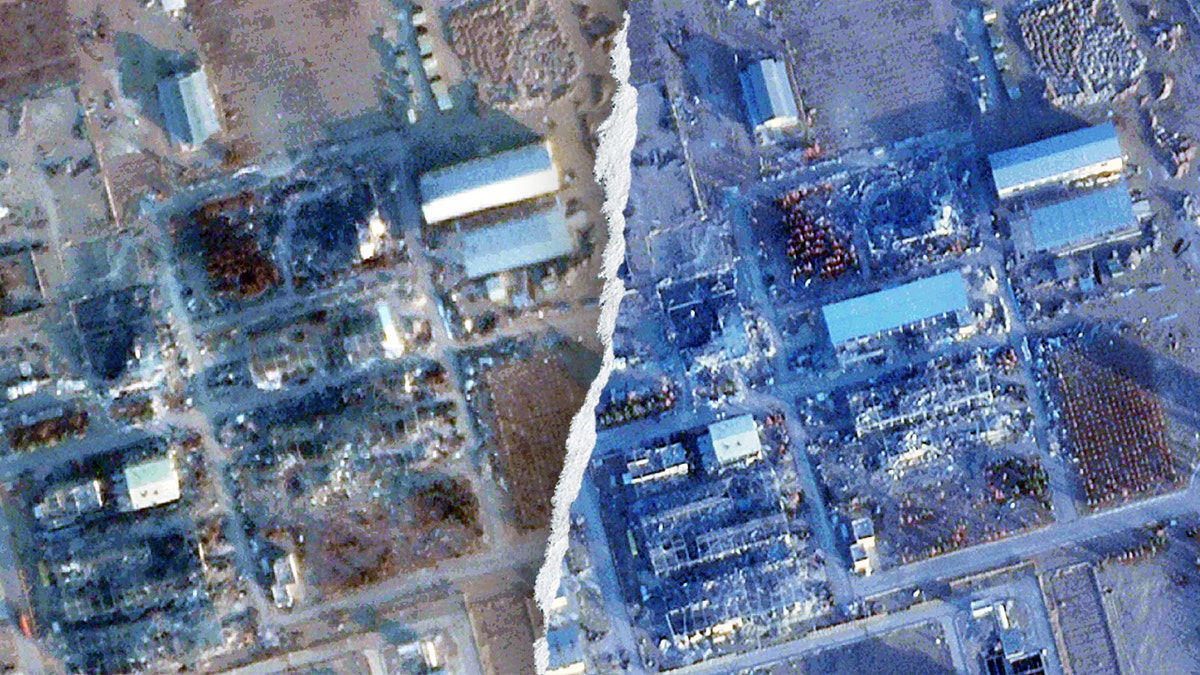
Last year, Israel targeted the sites first, followed by U.S. strikes using bunker-busting bombs and Tomahawk cruise missiles.
The Israel Defense Forces said in June 2025 that a strike on the Isfahan site had “dismantled a facility for producing metallic uranium, infrastructure for reconverting enriched uranium, laboratories, and additional infrastructure.”
The U.S. strikes “significantly degraded Iran’s nuclear program,” the White House’s National Security Strategy published in November said.
The Natanz nuclear site is seen on the left on May 20, 2025. On June 22, 2025, damage could be seen in the area following American airstrikes. (Planet Labs PBC)
Iran has not allowed IAEA inspectors to visit the sites since the attacks.
The new satellite images come as President Donald Trump has repeatedly warned that a “massive Armada” is heading toward the Middle East, ratcheting up pressure on the Iranian regime to reach a nuclear deal. Secretary of War Pete Hegseth said during a Cabinet meeting Thursday that the U.S. military is “prepared to deliver whatever the president expects” regarding Iran. Meanwhile, Iranian military officials have vowed that any U.S. attack would be met with an immediate and decisive response.
The Trump administration has also escalated sanctions on Iranian officials in response to the deadly crackdown on anti-regime protesters.