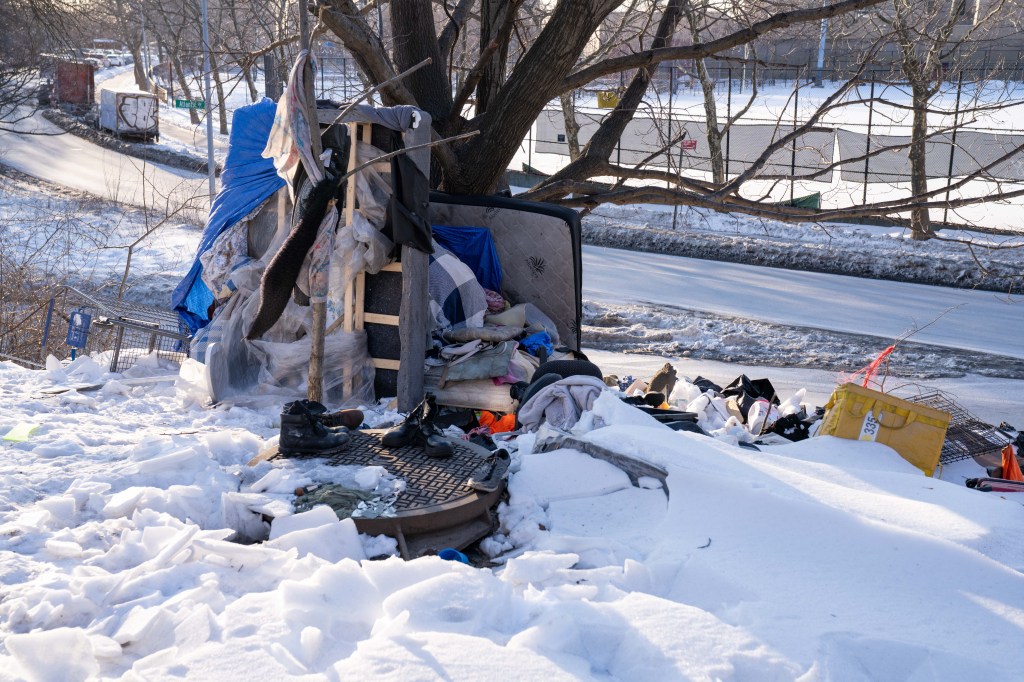


New York City is currently grappling with a deep sense of loss as it mourns the deaths of at least 18 residents during an intense cold snap. This tragic event has reignited a familiar debate: could the enforcement of encampment sweeps—measures that forcefully remove homeless individuals from street living—have prevented these fatalities?
The evidence suggests otherwise.
Although encampment sweeps may appear to be a proactive approach, they fall short of addressing the root issues of homelessness. According to data released by the city last year, a mere 3% of those encountered during these sweeps accepted shelter for even one night, and none were transitioned into permanent housing.
Despite often being labeled as “outreach,” these sweeps are fundamentally enforcement operations.
They involve dismantling tents, discarding personal items like sleeping bags and blankets, and dispersing individuals from their makeshift communities that offer a semblance of safety. Such actions, particularly in freezing conditions, elevate the risk of hypothermia and heighten isolation among the homeless population.
To comprehend the ineffectiveness of sweeps, it’s crucial to acknowledge a difficult reality: many unsheltered individuals in New York are already aware of the shelter options available to them but have consciously chosen not to utilize these services.
For years, people living on the streets told us they feel congregate shelters can lack privacy and flexibility, restricting their ability to make choices. Many tried shelters and had a bad experience, so are reluctant to try again. For someone already experiencing the trauma of homelessness, entering shelter can feel worse than staying outside.
That is why repeatedly “offering shelter” — especially under the threat of a sweep — doesn’t work. People are not refusing help; they are refusing a system they feel can’t meet their basic needs.
Clearing encampments doesn’t change that calculation. It only makes survival more difficult and hardens unsheltered individuals’ resolve against the system. These deaths must force us to focus less on punitive actions and more on what saves lives.
When temperatures drop below 32 degrees after dark, the city activates enhanced Code Blue, which intensifies outreach and relaxes shelter rules to bring more people indoors. Other emergency options could include increasing street outreach and working with the hospital system to prevent discharging people into life-threatening conditions.
Policy changes, such as expanding single-room Safe Havens, allowing couples and people with pets to stay together, and using hotel rooms for those who won’t enter congregate settings but will accept private, secure space, would help bring reluctant people indoors.
Beyond emergency measures, real pathways to permanent options must be prioritized.
Programs like Volunteers of America–Greater New York’s “Street to Home” initiative show what’s possible when we meet people where they are.
Instead of requiring people to start in shelter before accessing permanent housing, Street to Home connects chronically unsheltered New Yorkers directly to permanent housing with supports and tackles the paperwork after. The result is faster placements, better outcomes, and lives stabilized, not displaced.
Street to Home works because it recognizes that permanent housing is not a reward, but the solution to homelessness. By March 2024, the Street to Home pilot successfully convinced 116 people living on the subway to enter permanent housing, accounting for nearly 30% of the 397 housing placements made through the city’s end-of-line subway outreach.
Saving lives requires solutions grounded in evidence, dignity, and humanity. That means investing in trust-building outreach, safe shelter, and direct pathways to permanent housing that end homelessness instead of simply sweeping people temporarily out of sight.
New York has a choice. We can keep repeating policies that fail, or we can commit to what we know works. Lives depend on choosing the latter.
Ginsburg is president and CEO of Volunteers of America–Greater New York & McSilver Fellow at New York University.