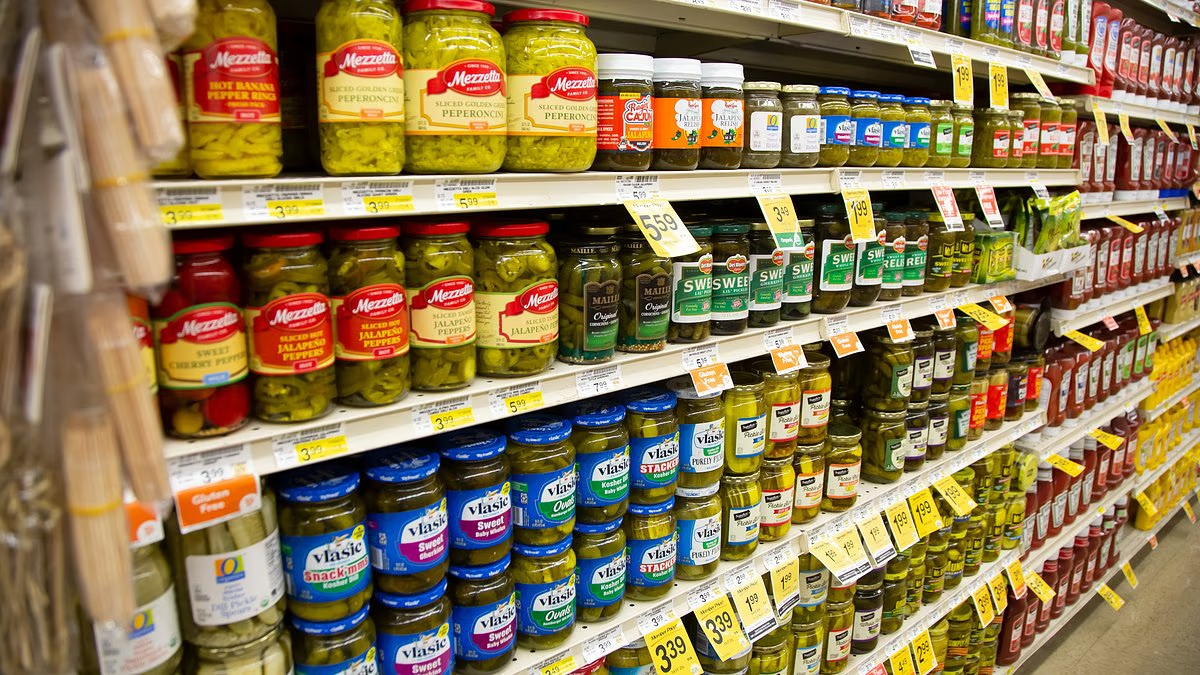


A new study found that people eating lots of ultra-processed foods were more at risk of dying (Image: Getty)
A diet eaten by the average Brit can significantly increase the risk of dying, a new study has discovered. According to research, eating a diet high in ultra-processed foods had a 48% higher rate of death from any cause and a 57% higher rate of death from cancer.
A recent study has shed light on the alarming health risks associated with the typical British diet. The findings indicate that individuals consuming a diet rich in ultra-processed foods face a 48% higher likelihood of death from any cause and a 57% increased risk of mortality due to cancer.
These stark statistics are particularly relevant for cancer survivors over the age of 34. Ultra-processed foods, known as UPFs, are products created using industrial techniques and artificial additives, which are uncommon in traditional home cooking. Common examples include items such as ham, sausages, mass-produced bread, breakfast cereals, instant soups, crisps, and biscuits. These foods often contain high levels of saturated fats, sugars, and salts, contributing to their potential health hazards.
Despite widespread awareness of the health consequences linked to these foods, they still constitute at least half of the average UK diet. The research, published in the Journal of Cancer Epidemiology, Biomarkers and Prevention, involved a team of experts who studied 802 cancer survivors aged 35 years and older.
Participants in the study provided detailed dietary information through the European Prospective Investigation into Cancer and Nutrition (EPIC) food frequency questionnaire. The NOVA classification system, which categorizes foods based on their processing levels, was utilized to determine whether a particular food was ultra-processed.
Researchers assessed the proportion of ultra-processed foods in the diets of participants using two distinct methods: a weight ratio and an energy ratio. The weight ratio was calculated by dividing the daily total weight of ultra-processed foods by the total weight of all consumed food and drink, while the energy ratio was determined by dividing daily calories from ultra-processed foods by the total daily calorie intake. Based on these calculations, participants were grouped into three categories according to the weight ratio of ultra-processed foods in their diet.
It is thought the average Brit’s diet consists of 50% ultra-processed food (Image: Getty)
The proportion of ultraprocessed foods in participants’ diets was subsequently determined using two methods: a weight ratio (calculated by dividing the daily total weight of ultraprocessed foods by the overall weight of all food and drink consumed that day) and an energy ratio (calculated by dividing daily calories from ultraprocessed foods by total daily calorie intake). Participants were then categorised into three groups according to the weight ratio of ultraprocessed foods they ate.
The research team also accounted for numerous variables including demographic characteristics, smoking habits, body mass index, recreational physical activity levels, medical background, cancer diagnosis, and overall dietary quality assessed using the Mediterranean Diet Score.
Find out about the symptoms you need to watch out for and get health advice with our free health newsletter from the Daily Express
Over a median follow-up period of 14.6 years, 281 fatalities occurred amongst the 802 cancer survivors studied. Those in the highest third for ultraprocessed food consumption by weight ratio experienced a 48% elevated mortality rate from all causes and a 57% increased mortality rate from cancer when compared with participants in the lowest third.
A greater energy ratio of ultraprocessed foods demonstrated comparable findings for cancer-related deaths, though not for other mortality causes. Study lead Marialaura Bonaccio, from the IRCCS Neuromed Mediterranean Neurological Institute, said: “Some foods may weigh a lot but contribute few calories, or vice versa, which is why the results can differ depending on the measure used,” Bonaccio explained.
Read more: NHS warns unusual sign of coeliac disease could appear in hands and feet
Read more: Five common UK foods identified that could help you prevent grey hair
“But the fact that the association between ultraprocessed foods and all-cause death persisted even after adjusting for overall diet quality suggests that the negative health effects are not explained solely by poor nutrient profiles, but that the level and nature of industrial food processing itself play an independent role in influencing long-term health outcomes.”
In order to investigate the potential biological pathways that might be affected by ultraprocessed foods, Bonaccio and her team examined inflammatory, metabolic, and cardiovascular markers using samples and information gathered from study participants. Amongst the markers assessed, accounting for inflammatory indicators and resting heart rate reduced the connection between ultraprocessed foods and all-cause mortality by 37.3%.
“These results suggest that increased inflammation and elevated resting heart rate may partially explain the link between higher consumption of ultraprocessed foods and increased mortality, and help to clarify how food processing itself could contribute to worse outcomes among cancer survivors,” Bonaccio said. To gain a clearer picture of whether the nutritional composition of ultraprocessed foods had an impact, researchers categorised and analysed data across seven distinct groups of ultraprocessed products: artificially and sugar-sweetened drinks, artificial sweeteners, and spirits; dairy and cheese items; processed meats; salty snacks and savoury fare; fatty spreads and condiments; starchy products; and sugary treats and confectionery.
Certain categories were associated with increased mortality rates, whilst others demonstrated no discernible trend. Nevertheless, evaluating individual ultraprocessed items proves difficult, and they are most appropriately viewed as part of an overall dietary pattern rather than separate components, Bonaccio explained.
She emphasised that the healthiest type of diet is one rich in whole foods. Bonaccio said: “The main message for the public is that overall consumption of ultraprocessed foods matters far more than any individual item.
“Focusing on the diet as a whole and reducing ultraprocessed foods overall and shifting consumption toward fresh, minimally processed, home-cooked foods is the most meaningful and beneficial approach for health. A practical way to do this is by checking labels: Foods with more than five ingredients, or even only one food additive, are likely to be ultraprocessed.”