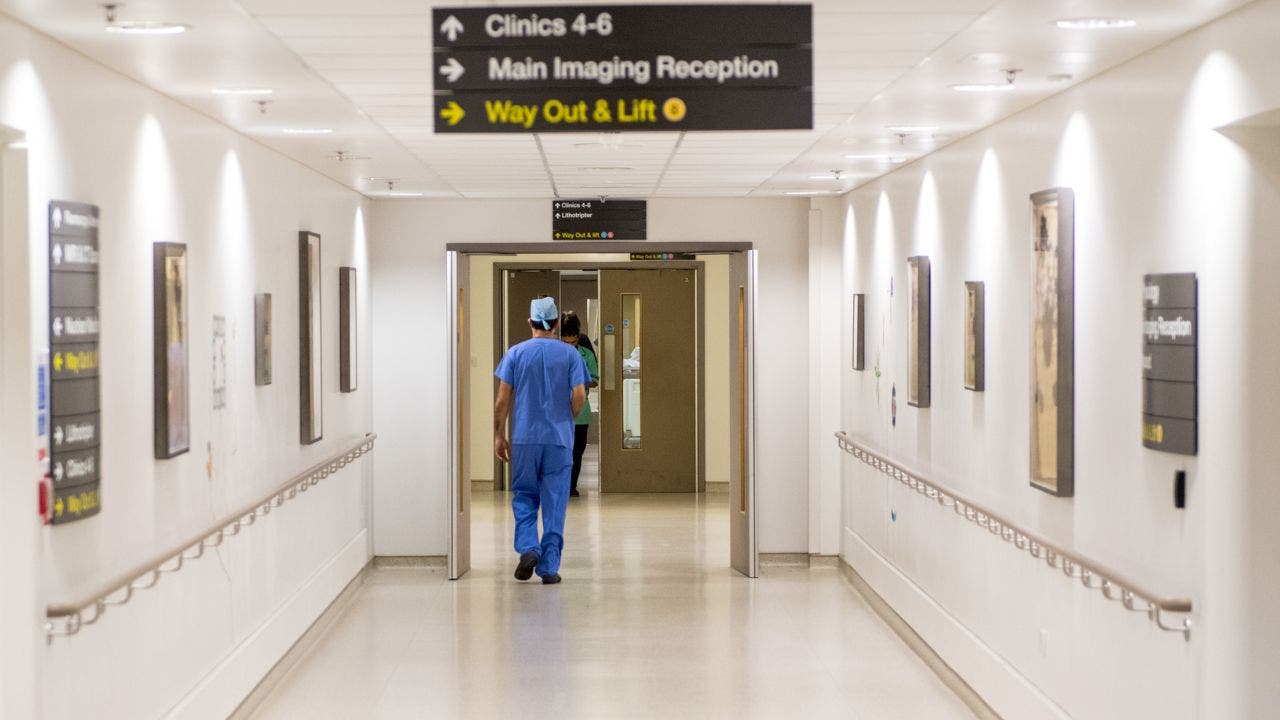

In a recent development, a government-operated health trust in the United Kingdom sought to fill a specialized nursing position aimed at assisting families engaged in “close-relative marriage.” This practice, which often involves first cousins, is associated with increased genetic risks for offspring due to the shared genetic material of the parents, as noted by health officials.
The position, advertised as a full-time “Neonatal Nurse – Close Relative Marriage,” was designed to guide families towards “informed reproductive decision-making,” according to the National Health Service (NHS), Britain’s public health entity, which released the job posting.
Applications for the position have now closed.
According to the job description, “Newborn Services is pleased to announce an exciting brand-new job opportunity for an experienced Neonatal Nurse.”

The role aimed to have the nurse “actively engage with families at risk due to close relative marriage, promoting increased genetic testing and enhancing genetic awareness or literacy among those families where disorders related to consanguinity are present.” Consanguinity refers to the biological relationship between parents, often seen in first cousins.
The announcement reflects an effort to address the health challenges posed by consanguineous marriages, emphasizing the importance of genetic education and proactive health measures to mitigate potential risks.
The posting also states the nurse would support the implementation of a national strategy at the local hospital level, help families make “informed choices in a culturally sensitive empowering way,” initiate “sensitive, appropriate conversations” about recessive genetic disorders, and “contribute to the reduction of health inequalities in infant and child mortality and morbidity.”
While close-relative marriage is rare in most Western countries, it remains more common in parts of the Middle East and South Asia and within some immigrant communities in Britain, where the NHS has increasingly emphasized outreach, genetic counseling and risk awareness rather than discouraging the practice outright.
Cousin marriage is more prevalent among some communities in Britain, including those of Pakistani and Bangladeshi heritage, according to GB News.
The job posting also listed fluency in Urdu as a desirable skill, a language widely spoken among Pakistani communities in the U.K.
Medical researchers have long documented elevated genetic risks associated with close-relative relationships. A peer-reviewed study published in BMC Medical Genetics found that children born to consanguineous couples face a higher risk of congenital and genetic disorders, particularly autosomal recessive diseases, with the increased risk for children of first cousins estimated at 2% to 4% above the general population.
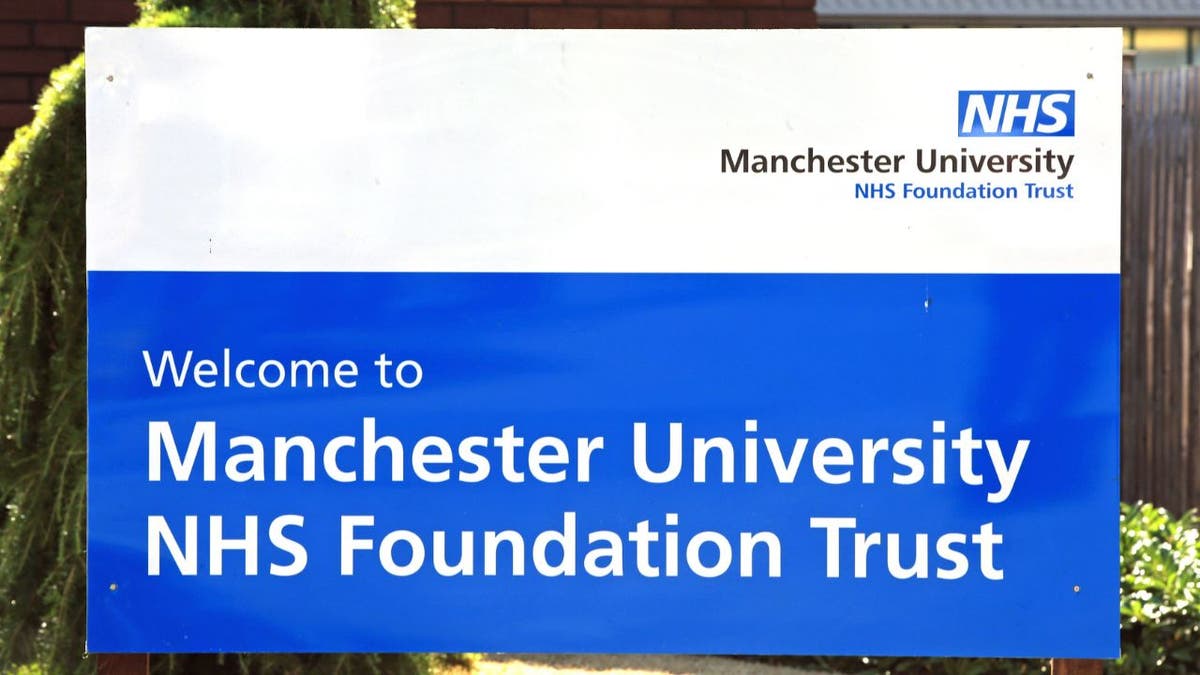
A sign welcomes visitors to Manchester University NHS Foundation Trust in Manchester, England. (Peter Byrne/PA Wire via Getty Images)
The researchers stressed that the vast majority of children born to related parents are healthy, but noted that genetic risk can vary widely between families and may be significantly higher in a minority of cases, depending on shared inherited DNA. The study also found it is not currently possible to predict which couples face the highest risk.
Emma Schubart, a research fellow at the Henry Jackson Society, warned that specialized NHS outreach risks normalizing close-relative relationships.
“The NHS’s creation of specialized nursing roles risks normalizing a practice that significantly elevates genetic risks, including a doubled likelihood of serious birth defects and heightened susceptibility to common diseases like type 2 diabetes,” Schubart told Fox News Digital in a statement. “For example, among British Pakistanis, a community where consanguinity rates remain high, individuals face 3–6 times the average UK risk of type 2 diabetes, with 5–18% of cases directly attributable to inbreeding. This translates to thousands of additional diabetes cases nationwide, placing undue strain on an already overburdened NHS.”
An NHS spokesperson told Fox News Digital that having closely related parents “can increase the risk of inherited genetic conditions and serious illness,” adding that the role was part of a limited trial rather than a broad policy shift.
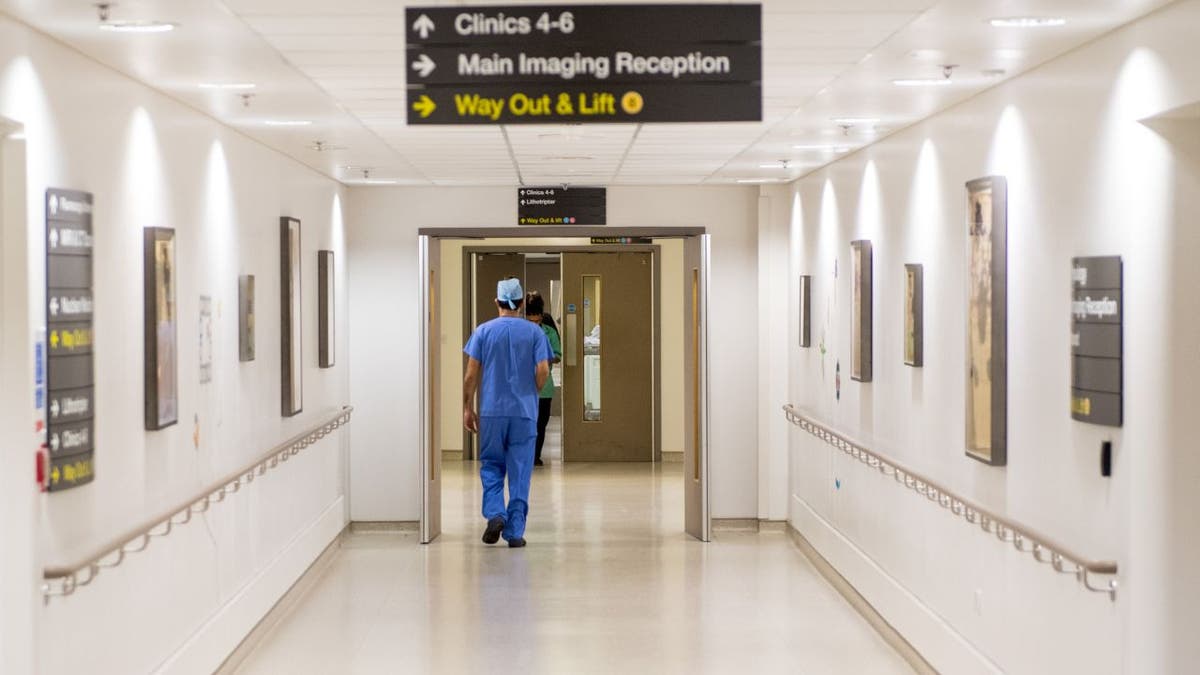
A staff member walks through a corridor inside a National Health Service hospital in the U.K. (Chris J. Ratcliffe/Bloomberg via Getty Images)
“This role is part of a small pilot which will test whether nurses with specialist training in these complications could help save and improve the lives of more vulnerable babies — targeted in an area where close-relative marriage is prevalent,” the spokesperson said in a statement.
The spokesperson added that the NHS offers referrals to specialist genetics services to help individuals and families in close-relative marriages understand potential risks and make informed decisions about their care.
The role was advertised by Manchester University NHS Foundation Trust, one of the United Kingdom’s largest NHS trusts, which operates 10 hospitals across Greater Manchester and Trafford in northwest England, according to the trust’s website. The job posting also sought candidates who “value diversity and difference,” according to the advert.