In a significant development, Iran has signaled its willingness to engage in negotiations with the United States over a nuclear agreement, provided that discussions include the lifting of sanctions. This was stated by a senior Iranian official on Sunday, indicating a possible shift in the diplomatic stalemate.
Majid Takht-Ravanchi, the Deputy Foreign Minister of Iran, emphasized the potential for progress in an interview, asserting that the onus is now on the United States to demonstrate its genuine interest in reaching a deal. “If they are sincere, I’m sure we will be on the road to an agreement,” Takht-Ravanchi remarked, suggesting that the possibility of an accord hinges on the U.S.’s approach to the talks.
He further elaborated, “We are ready to discuss this and other issues related to our program if they are ready to talk about sanctions,” during his conversation with the BBC, highlighting Iran’s openness to dialogue contingent on reciprocal gestures from the U.S.
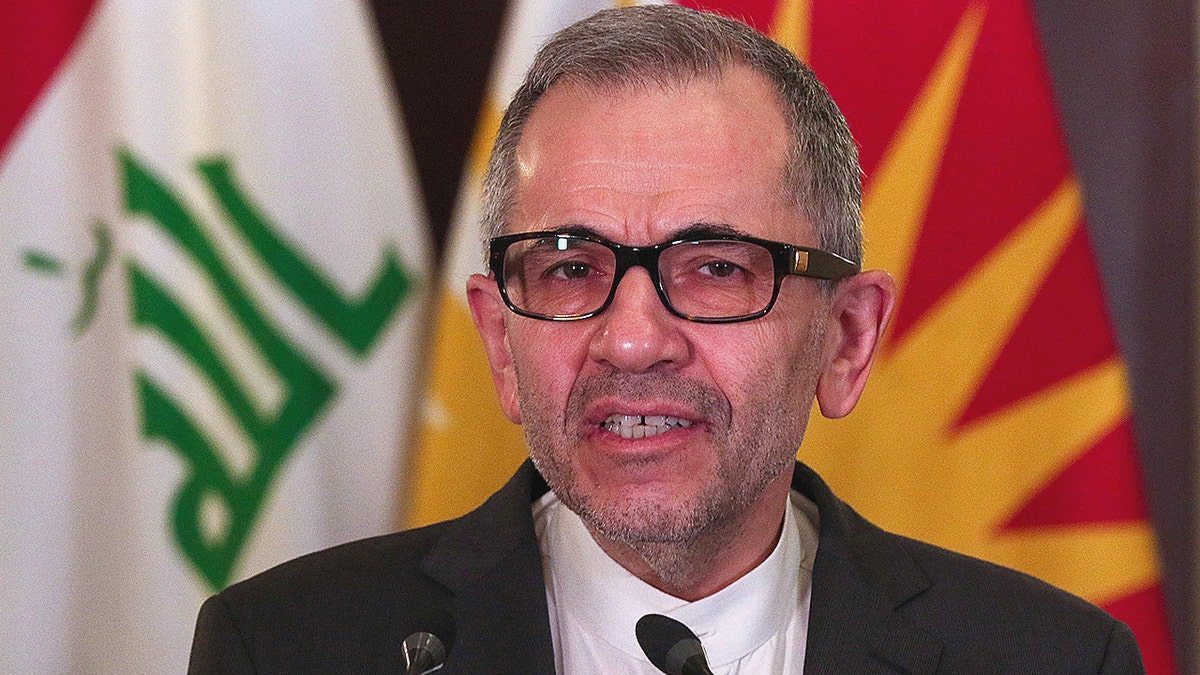
These comments from Takht-Ravanchi coincide with the visit of Iran’s top diplomat to Geneva for a second series of indirect discussions with American representatives. Iran’s delegation, led by Abbas Araghchi, has embarked on this diplomatic mission, with Oman stepping in once more as the mediator. This follows an initial round of negotiations that took place last week, as reported by Iranian state media and the Associated Press.
As the diplomatic chess game unfolds, the international community watches closely, hopeful that the meetings might pave the way for a resolution to the longstanding tensions surrounding Iran’s nuclear ambitions.
Abbas Araghchi left for the Swiss city following an initial round of negotiations last week with Oman again mediating the next round of talks, according to Iranian state media and the Associated Press.
U.S. officials, however, have emphasized that Iran — not the U.S. — is holding up progress in negotiations.
Secretary of State Marco Rubio said Feb. 14 that President Donald Trump would prefer to reach an agreement but warned it was “very hard to do” one with Iran.
Past diplomatic efforts had collapsed in 2025 after Israel launched what became a 12-day war with Iran and U.S. strikes on Iranian nuclear sites.
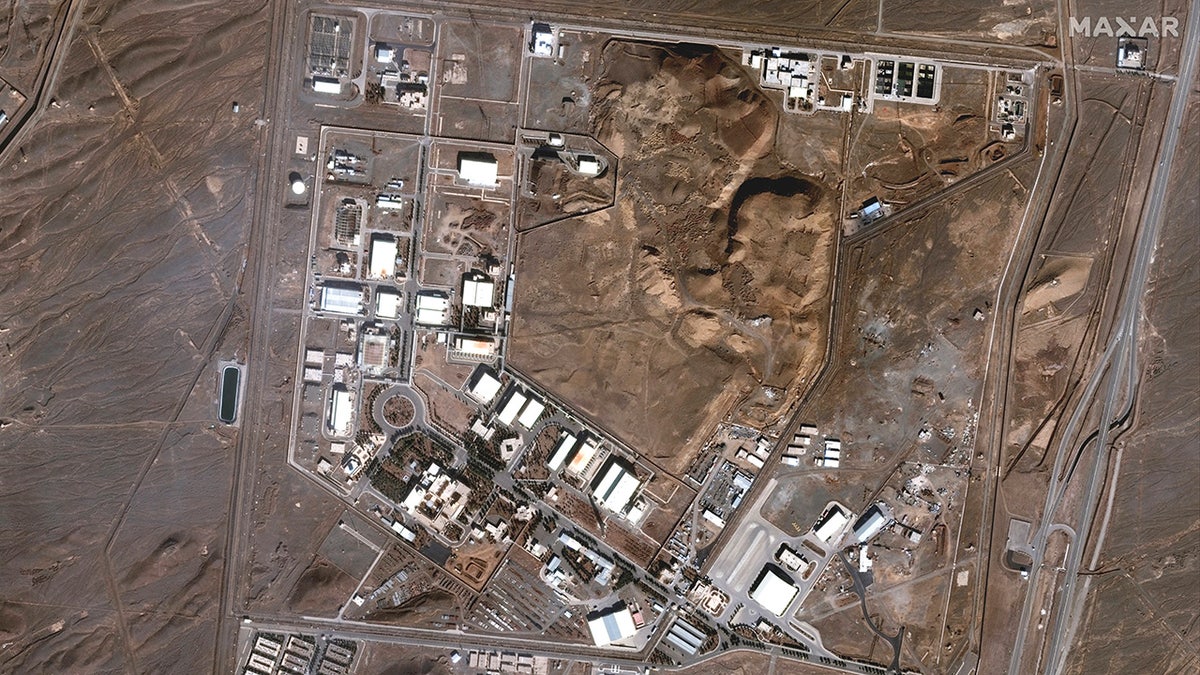
This satellite image provided by Maxar Technologies shows the Natanz nuclear facility in Iran on Jan. 24, 2025. (Maxar Technologies/AP)
But on Sunday, Takht-Ravanchi pointed to Tehran’s offer to dilute its stockpile of uranium enriched to 60% purity as evidence of its willingness to compromise, the BBC reported.
Asked whether Iran would ship its stockpile of more than 400 kilograms of highly enriched uranium abroad, as it did under the 2015 deal, Takht-Ravanchi said it was “too early to say what will happen in the course of negotiations.”
One of Iran’s main demands is that talks focus on the nuclear issue. “Our understanding is that they have come to the conclusion that if you want to have a deal you have to focus on the nuclear issue,” Takht-Ravanchi said.
Takht-Ravanchi also said the “issue of zero enrichment is not an issue anymore and as far as Iran is concerned, it is not on the table anymore.”
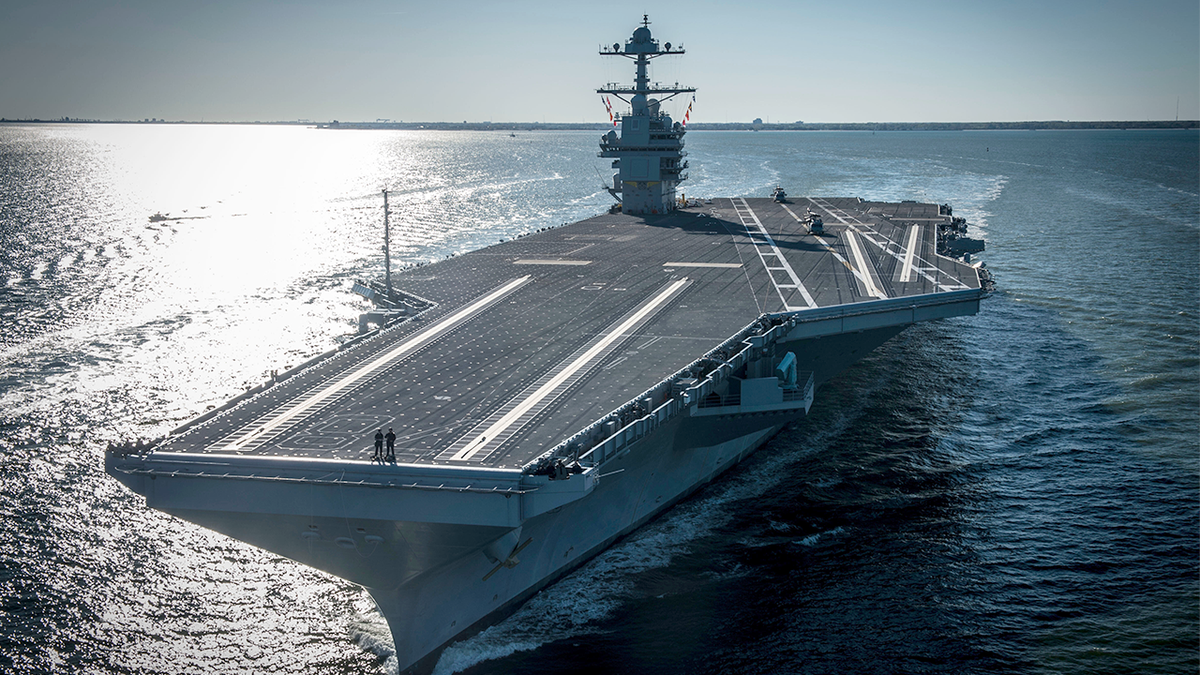
The USS Gerald R. Ford was ordered to move to the Middle East as the U.S. prepares for the possibility of sustained operations against Iran. (Mass Communication Specialist 2nd Class Ridge Leoni/U.S. Navy via AP)
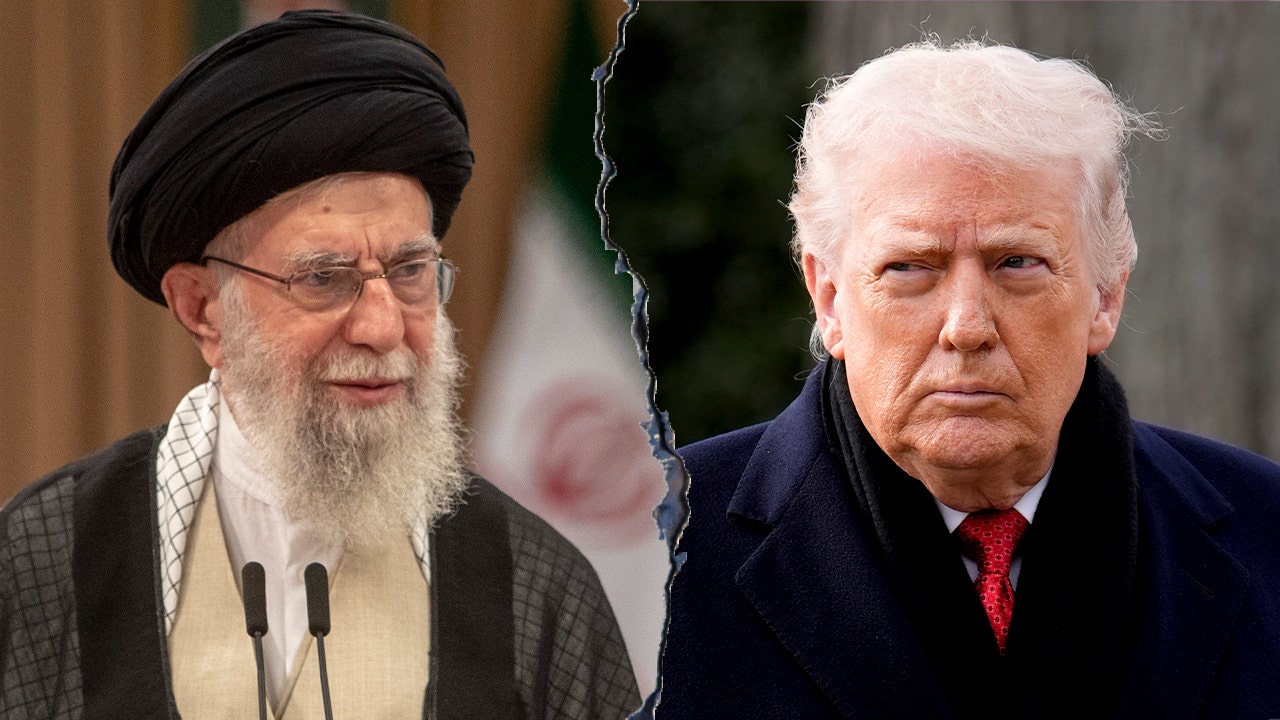
Trump has since threatened further military action if a deal to curb Iran’s nuclear program cannot be reached.
The U.S. has also reinforced its military presence in the region amid heightened tensions and after spiraling protests across the country in December left thousands reportedly dead at the hands of the clerical regime.