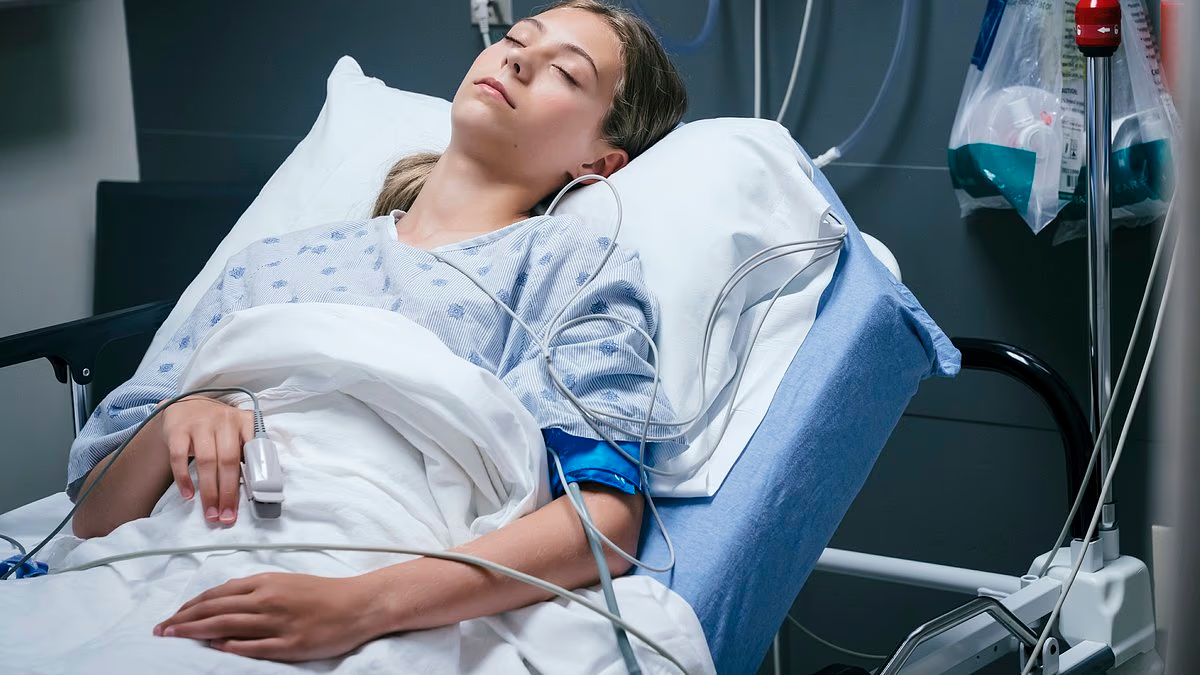

Amid a forecast of plummeting temperatures, the UK Health Security Agency (UKHSA) has announced a series of yellow Cold-Health Alerts (CHAs) for seven regions in England. These alerts serve as early warnings for severe weather conditions that could potentially impact public health.
The UKHSA has stated that these alerts will be in effect starting at 6 p.m. this evening, February 17, and will remain active for 72 hours, ending at 6 p.m. on Friday, February 20. The regions affected include the North East, North West, Yorkshire and The Humber, East Midlands, West Midlands, East of England, and South West. Notably, London and the South East are not under the current alert.
According to official UK Government guidelines, Cold-Health Alerts are designed to provide advance notice of extreme temperatures that could impact health and well-being. This alert system is a collaborative effort between the UK Health Security Agency and the Met Office.
The primary goal is to alert the health and social care sectors, emergency responders, voluntary organizations, community groups, and various government departments about potentially harmful weather conditions.
The CHA system is operational annually from November 1 to March 31, while the Heat-Health Alerts (HHAs) are in place from June 1 to September 30. Nonetheless, if a cold snap occurs outside of these periods, a special alert can be issued. Individuals can receive these alerts via email by completing a registration form.
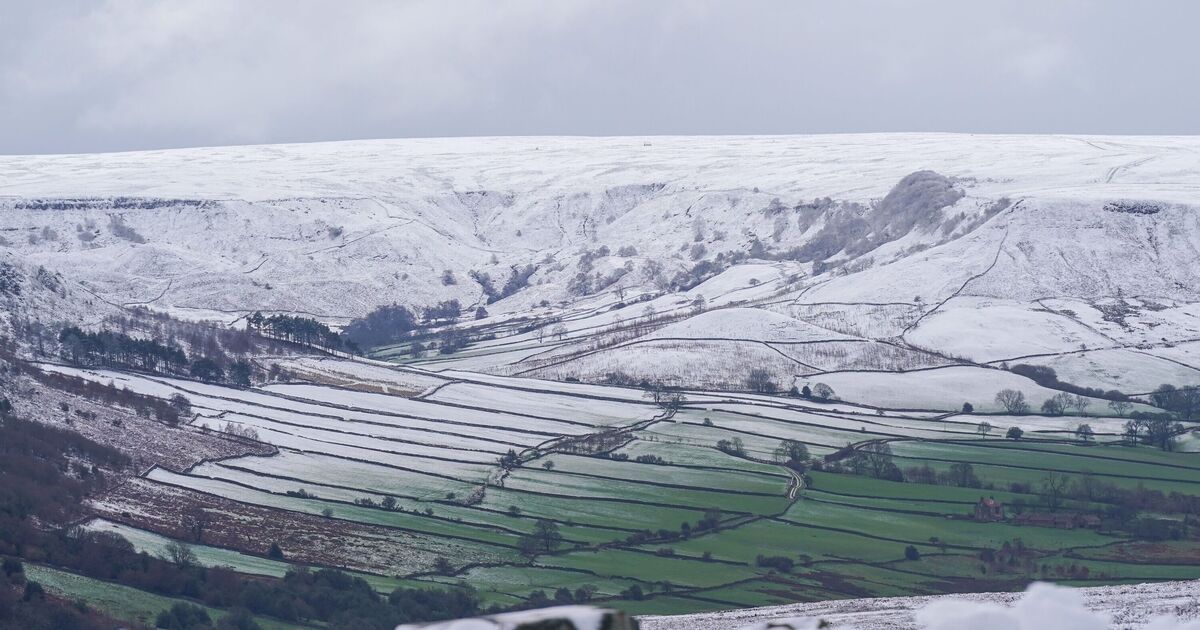
The issuance of today’s alerts coincides with Met Office predictions of significant snowfall and rainfall across various parts of England in the coming days. Some areas may also experience strong winds, further heightening the risk of adverse weather impacts.
“10-20 mm of rain is expected quite widely, with a few places near the south coast seeing 20-30 mm and perhaps as much as 50 mm over Dartmoor. Strong east to northeasterly winds will accompany the rain and/or snow, which could exacerbate impacts in places. Large waves could affect some east-facing coasts, especially along the English Channel.”
Given this situation, householders are urged to verify whether their homes are vulnerable to flooding. If they are, it may be sensible to prepare a flood plan and emergency kit.
This might include vital documents, waterproof garments, drinking water and medications for emergencies. Thinking about what should happen to your pets and having important contact details at hand can be particularly beneficial in such circumstances. For instance, knowing your home insurance details before an incident can help you respond more promptly to potential damage.
The Met Office guidance has added: “People cope better with power cuts when they have prepared for them in advance. It’s easy to do; consider gathering torches and batteries, a mobile phone power pack and other essential items.
“Be prepared for weather warnings to change quickly: when a weather warning is issued, the Met Office recommends staying up to date with the weather forecast in your area.”