
In a tragic turn of events on Monday, a Rhode Island hockey arena became the scene of a shocking and deliberate attack as a transgender gunman targeted his own family. Police described the event as a “very targeted” assault, where the father systematically approached his family members seated in the bleachers and shot them during his son’s senior night game.
The gunman, identified as 56-year-old Robert Dorgan, unleashed gunfire inside the Dennis M. Lynch Arena in Pawtucket during a hockey match between Coventry and Blackstone Valley schools. His ex-wife, Rhonda Dorgan, and their son, Aidan Dorgan, were tragically killed before Robert turned the gun on himself, as confirmed by Pawtucket Police Chief Tina Goncalves.
The rampage also left three other individuals critically injured. Among the wounded are Rhonda’s parents, Linda and Gerald Dorgan, and a family friend, Thomas Giarrusso, who are all battling for their lives.
Witnesses reported seeing Robert Dorgan enter, exit, and then re-enter the arena prior to the shooting. This movement raised questions about his intentions and whether he was armed during his initial entry.

According to authorities, Dorgan was carrying two firearms at the time of the attack—a Glock 10 mm and a SIG Sauer P226. However, it remains unclear if he was in possession of these weapons when he first entered the building.
As investigators piece together the events that led to this horrific incident, Robert Dorgan’s actions have been characterized as stemming from a family dispute, highlighting the devastating impact of domestic conflicts that escalate to violence.
During a news conference on Tuesday, Goncalves described the attack as “very targeted,” noting Robert Dorgan approached the family “individually” and fired at them.
The family was sitting in the bleachers during the shooting, but police said it appeared there was no conversation or confrontation between the suspect and the victims before he opened fire.
At least three bystanders, described as family or friends of the hockey players, intervened and briefly stopped Robert Dorgan, Goncalves said. At that time, he reached for a second gun and fatally shot himself.

Robert Dorgan, identified by police as the suspect in the Pawtucket ice rink shooting, pictured in an undated photo. (X/@VerdadEsPoder)
The police chief explained Robert Dorgan had been to his son’s hockey games in the past, and that his presence Monday was not “unusual.”
“There was no indication from the family or friends that any violence was underway, or that they were in fear of this specific individual,” Goncalves said. “… We continue to look into what the motivation was. We’re not sure at this point what the trigger event was that happened yesterday.”
Robert Dorgan, who identified as transgender and had a history of family conflict over his gender identity, transitioned in 2020 and socially used the names “Roberta Dorgan” and “Roberta Esposito,” according to Goncalves.
He was wearing female clothes during the shooting, she said.

Robert Dorgan, identified by police as the suspect in a shooting at the Dennis M. Lynch Arena in Pawtucket, Rhode Island, on Feb. 16, 2026. (X/@VerdadEsPoder)
Records show Robert Dorgan, who was not a Rhode Island resident, had a license to carry in Florida and the two weapons used in the shooting were purchased legally.
Goncalves said he was not known to law enforcement in Pawtucket, but “there were some contacts throughout the state.”
Police confirmed they are conducting several search warrants to find additional information, but have not found a suicide note.
Officials have not yet found any links to any extremist groups.
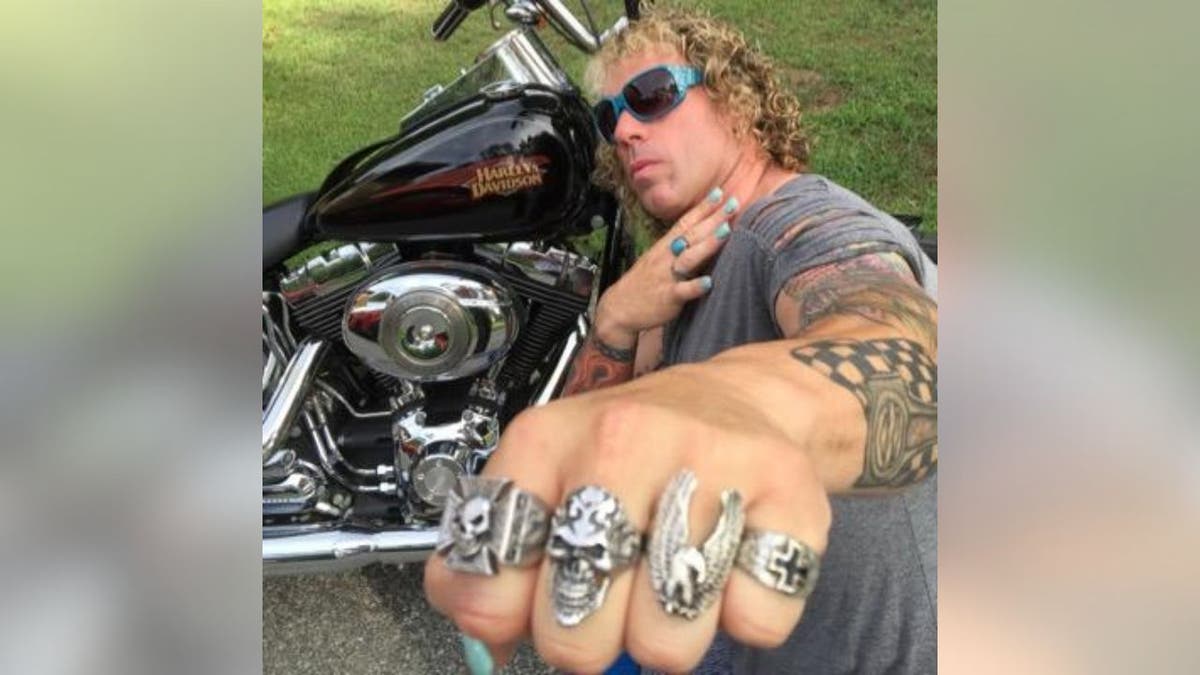
Robert Dorgan, identified by police as the suspect in a shooting at the Dennis M. Lynch Arena in Pawtucket, Rhode Island, is seen in an undated photo. (X/@Tgirlcuda)
In addition to Aidan, the Dorgans had two other children — the high school hockey player and his sister, who is studying to be a nurse.
This story discusses suicide. If you or someone you know is having thoughts of suicide, please contact the Suicide & Crisis Lifeline at 988 or 1-800-273-TALK (8255).