
Labour is poised to implement significant changes to school admissions in an effort to prevent affluent families from monopolizing access to top-tier schools located in high-priced neighborhoods.
In what some interpret as a controversial move against class disparities, government officials aim to sever the connection between real estate values and entry into prestigious educational institutions.
Bridget Phillipson, the Education Secretary, indicated earlier today that revisions to the School Admissions Code are being considered to counteract the exclusion of families who are unable to afford living near their local school.
Phillipson is advocating for policies that would facilitate increased enrollment of underprivileged students in the most coveted schools, which are frequently situated within affluent catchment zones.
When questioned about potential strategies, she did not dismiss the idea of permitting schools to accept students from beyond their immediate catchment areas as a way to enhance the representation of disadvantaged children.
The recently unveiled education white paper outlines a vision where schools are “encouraged” to establish “more inclusive admission arrangements” moving forward.
It says one example could be boosting numbers of disadvantaged pupils by prioritising those on free school meals – typically families earning less than £7,400 a year.

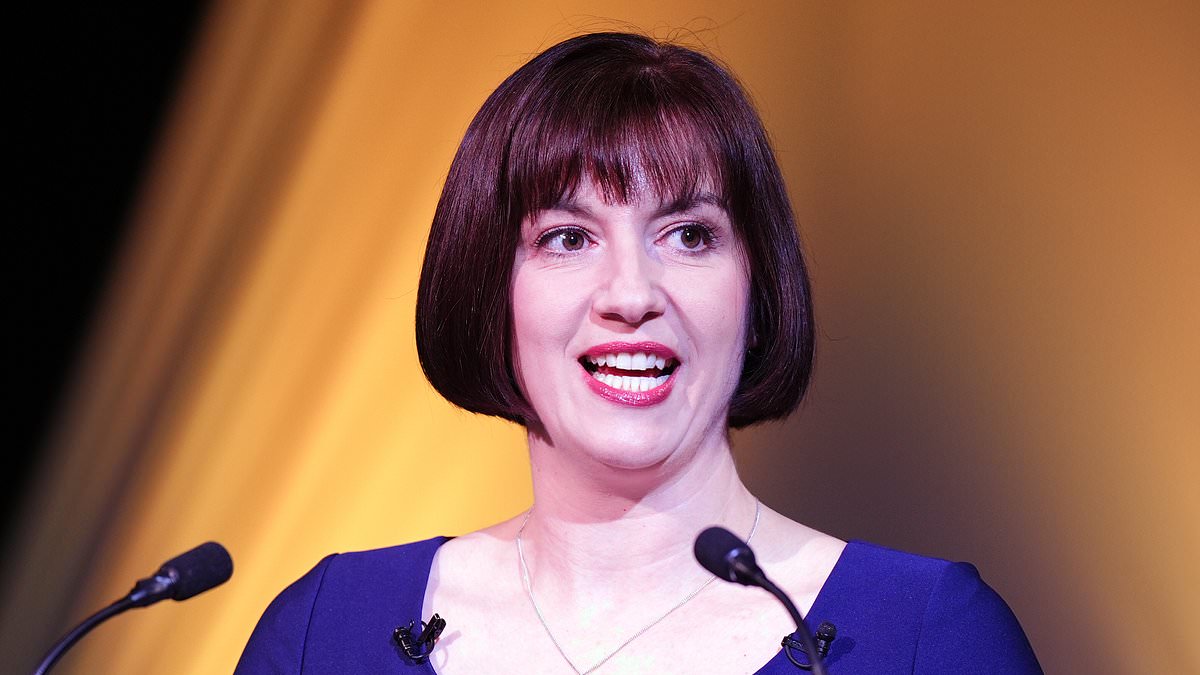
Labour is set to overhaul school admissions to stop middle-class families dominating top schools in pricey areas (pictured: Education Secretary Bridget Phillipson)
Schools with top results tend to push up house prices and rents nearby, as families outbid each other to buy in the desirable catchment area – pricing poorer families out.
The white paper says: ‘Access to high performing local schools should not be dependent on factors such as families’ household income or local house prices….We will develop new resources to support and encourage schools to adopt more inclusive admission arrangements, working with key partners and drawing on best practice from the sector.’
It also proposes changes to the School Admissions Code to ‘promote fairness for all families, particularly the most disadvantaged and children with additional needs’.
It says rules will be ‘tightened’ for schools that operate banding arrangements, to ensure these ‘produce representative intakes’.
Banding arrangements allow schools to take certain proportions of children from different ability groups, but critics have said the system can be manipulated to recruit disproportionately high numbers of privileged children.
Speaking on Times Radio this morning, Mrs Phillipson said: ‘We’re going to consult on the admissions code to make sure the way in which schools operate their admissions policy is fair.
‘What we’ve seen, sadly is sometimes parents can feel priced out of going to their local school or are not able to access their local school if you have a uniform policy that makes it harder for low income families, or where, for example, families on lower incomes are not aware of all the support that might be available, for example, around transport costs, if their family are on free school meals.
‘We’re not pressing ahead with any big changes at this point, but we just want to make sure that when schools are considering how to admit students, it’s done so in a way that’s fair and transparent for everybody.’
Asked if this could include widening the catchment area or allowing pupils from outside a catchment area into a school they wouldn’t otherwise have access to, she did not rule it out.
She said: ‘There are different ways of doing this, and some different local authorities or schools take slightly different approaches to it. What I would also add is, because of the changes we’re seeing around demographics and the fall in the birth rate, parents are going to have more choices in the years to come because there are just fewer children.’
Shadow education secretary Laura Trott said: ‘The Education Secretary should be focused on improving our state schools, not taking a wrecking ball to the cross-party consensus that has helped standards rise.
Join the debate
Should where you live decide your child’s chances of getting into a great school?

Ministers want to break the link between house prices and access to the best schools (pictured: Shadow Education Secretary Laura Trott, who branded it a ‘class war’ move)
‘Instead of raising standards for every child, she appears more interested in class warfare on school admissions. Changes to the admissions code will restrict some families from sending their child to a good local school. That is unacceptable. Parents work hard and often choose where to live based on school quality because they want the best for their child.’
It comes after the Schools Bill, currently going through Parliament, contained a move that would allow good schools to be blocked from growing.
Yesterday’s white paper also said white working-class children will be helped in the northeast and coastal areas.
Two ‘missions’ will focus on ‘radically improving outcomes for white working-class children in communities where attainment gaps are too often accepted as inevitable’.
It comes after Keir Starmer was accused of waging a ‘class war’ for raising taxes on middle England – including a new VAT on private school fees which came in last year.
The white paper also says there will be a change in the law to cap how much private special schools can charge.
It follows accusations that they are over-charging councils for the children in their care – particularly those schools which are backed by private equity.
However, the wide-ranging white paper, which will be subject to consultation, is mostly focused on an overhaul of the Special Educational Needs and Disabilities (Send) system.
An expansion of the definition of special needs has led to a rise in the number of ADHD and autism cases, which has almost bankrupted councils.
In future, only those with the most severe needs – such as blindness – will get legal documents guaranteeing taxpayer help.
All others will be dealt with at school level, with £4 billion laid on over the next two years to train teachers in Send and lay on outside experts that can be called in when needed.