

BATON ROUGE, La. – As the weekend unfolded, many found themselves engrossed in the alarming news of deadly U.S.-Israeli attacks on Iran, sparking discussions about the potential for escalating conflict. News alerts, social media updates, and mealtime conversations were dominated by these developments.
Experts in mental health emphasize that it is natural for such events to trigger stress and anxiety, leading to feelings of a world plunged into chaos. They stress the importance of adopting effective coping strategies and consuming news responsibly to safeguard one’s mental well-being.
“Experiencing fear, sadness, or confusion in response to extreme circumstances is entirely normal,” explained Michael S. Ziffra, a psychiatrist and professor at Northwestern Feinberg School of Medicine, in an interview with The Associated Press. “It’s crucial for individuals to understand that feeling anxious is a typical human reaction. The focus should be on learning how to manage these emotions effectively.”
Since 2020, a year marked by the global COVID-19 pandemic, political and social upheaval, and natural disasters, Ziffra has observed a noticeable increase in patients reporting heightened anxiety fueled by current events.
Patients often express their concerns in various ways, from venting their frustrations to recounting endless hours of scrolling through social media, and sharing feelings of helplessness and frustration.
Some patients vent, some talk about obsessively scrolling on social media and others discuss feeling helpless and frustrated.
But, psychiatrists say those feelings are absolutely normal and to be expected. In fact, sometimes they can result in something positive — from getting involved in advocacy, joining a social or political organization or just contacting lawmakers.
Other’s may seek to learn more about what is going on. But like with most things in life, moderation is important.
“The problem is, for a lot of people, they just kind of wallow in it. They ruminate and obsess and just sort of stew in it,” Ziffra said.
Consuming distressing news
In today’s world, people are just a click away from learning about practically anything they want — sometimes even less, with a predetermined algorithm on social media pushing posts or alerts on their phone interrupting their day. People have access to 24/7 news cycles and phone cameras can capture, and disseminate, videos and images of disasters within seconds.
For years, Dana Rose Garfin, a psychologist and professor at University of California, Los Angeles, has been studying “cascading collective traumas” and researched how the media’s continuous coverage of COVID increased anxiety. Garfin said the reality is that people don’t consume the news how they used to. Instead of reading a newspaper or flipping on the evening news once a day, people are “much more exposed” to current events.
And as people learn about disasters or breaking news, they become distressed.
“In terms of any kind of crisis, people turn to the media for information. And that’s a very logical, rational and helpful reaction,” Garfin said.
“But, what we’ve seen in our research is there’s this sort of reciprocal effect. An event happens, people learn about it, they turn to the media to learn more about it, and they’re really distressed,” Garfin said, adding that what occurs next is a cycle that people have a hard time removing themselves from. “It sort of activates these processes where then they’re both more distressed and want to know more about this event because they’re distressed.”
Responsibly consuming media
While experts said they understand people’s need to continue to seek out news, there is a way to do it responsibly without becoming overwhelmed and emotionally exhausted. Their top suggestion was to eliminate or cut down on social media and obsessive “doomscrolling.”
“I don’t immerse myself in social media, and that’s a very conscious decision on my part to protect my own mental, and physical, health,” said Roxane Cohen Silver, a psychologist at the University of California, Irvine, and who co-authored the study with Garfin. She specifically raised concerns about graphic images and video that quickly circulate on social media that can cause distress and long-term anxiety when seen repeatedly.
“I think that one can stay informed without immersing oneself in graphic images,” she said.
Garfin suggested finding more “enjoyable” ways to consume news, such as an informative news article, listening to a podcast or watching a news segment. “That’s different than this kind of letting the algorithm suck you in for eternity in a mindless fashion.”
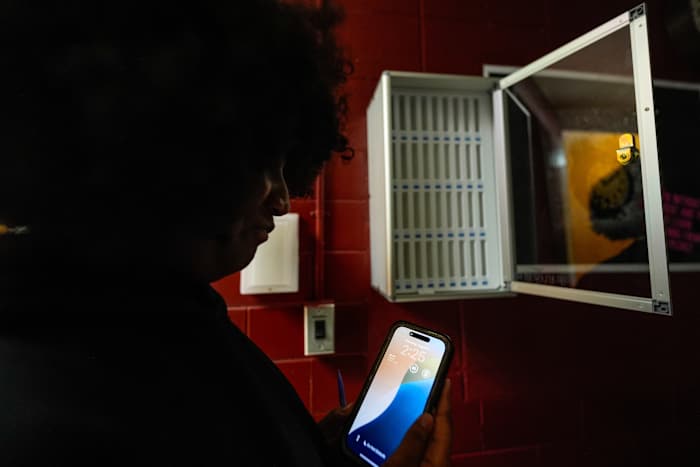
Experts also urged people to set timers, when scrolling on their phone. Both iPhones and Android devices have controls to help regulate screen time.
Ziffra suggested choosing neutral news sources. “Try to avoid things where it’s very partisan and where there’s going to be a lot of inflammatory content, because that’s going to likely exacerbate your anxiety and make you feel anxious, angry, scared.”
Identifying coping mechanisms
Even if a worrisome news event is happening thousands of miles away, and even if it doesn’t directly impact a person reading about it, it can still cause intense stress and anxiety. For that reason, medical experts urge people to identify other ways to cope.
“People have a lot of inherent knowledge of what helps them… and things that they find comfort in, which is different for everybody,” Garfin said.
From breathing exercises, going for a walk, leaning into hobbies, getting together with friends, talking to a therapist, creative pursuits and self care, psychiatrists say it is important to redirect your attention in other ways.
“Things that are going to get your mind off of all of the obsessing and worrying and really putting your thoughts on something more positive,” Ziffra said.
Copyright 2026 The Associated Press. All rights reserved. This material may not be published, broadcast, rewritten or redistributed without permission.