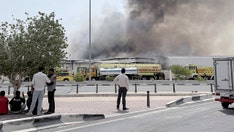
In a dramatic escalation of regional tensions, Iran has begun what experts describe as “indiscriminate” targeting of vessels in the Gulf of Oman and the broader Persian Gulf. This follows the initiation of U.S.-Israeli military operations known as Operation Epic Fury, as reported by a leading maritime intelligence firm.
Windward AI, the intelligence firm in question, highlighted a recent incident involving the Palau-flagged tanker Skylight. This vessel, which is under sanctions, was struck amidst the growing conflict in the Middle East. Notably, the tanker had Iranian nationals among its crew and connections to the Iranian regime.
The firm emphasized that the analysis of recent attacks reveals a strategy by Iran that leans more towards indiscriminate area denial rather than precise targeting. This approach seems to be aimed at showcasing Iran’s ability to disrupt the strategically vital Strait of Hormuz and to deter commercial shipping in the region.
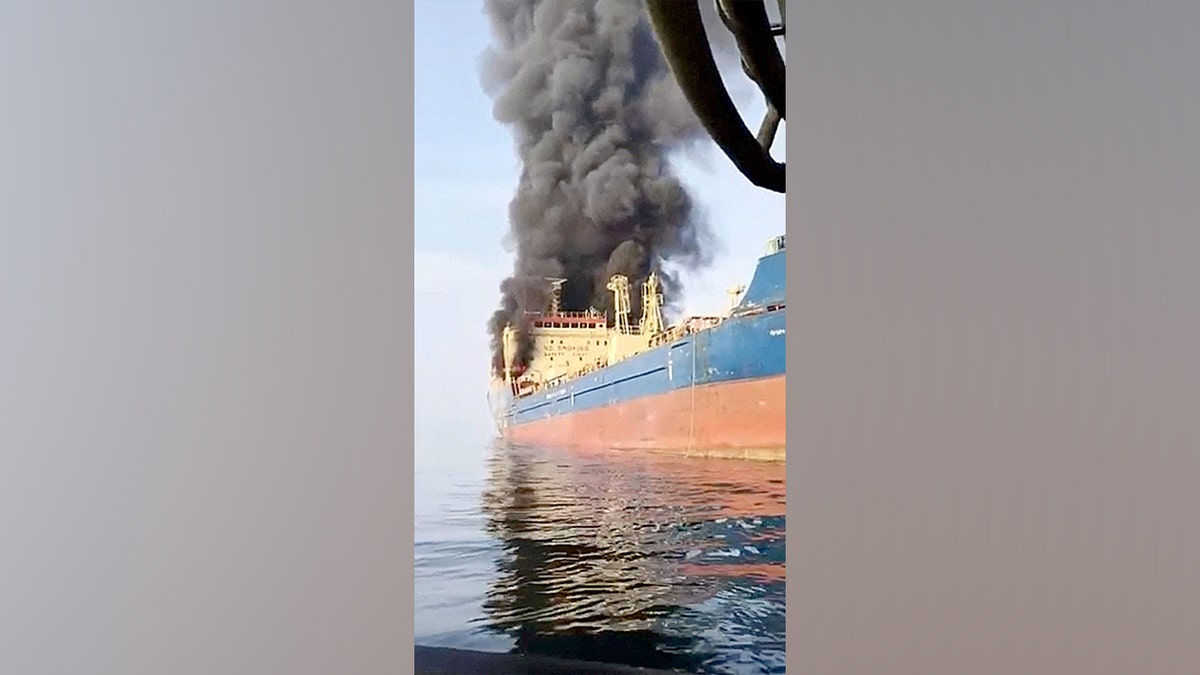
As these tensions unfold, the Gulf of Oman has become a hotspot for tanker attacks, with Iran launching missiles at U.S. allies, thereby interrupting commercial traffic through this crucial maritime corridor. This information was reported by Reuters.
Iran’s retaliation has included missile and drone strikes on U.S. and allied positions throughout the region, affecting countries like Qatar, Kuwait, and the United Arab Emirates. The Strait of Hormuz, a vital link between the Gulf of Oman and the Persian Gulf, remains the world’s most significant energy chokepoint, making these developments particularly concerning for global commerce and energy supply.
Maritime traffic through the Strait of Hormuz, which links the Gulf of Oman to the Persian Gulf, is the world’s most critical energy chokepoint.
While three other vessels were reported attacked since the hostilities escalated Feb. 28, Windward described Skylight as “the highest-risk vessel in the group and the most anomalous target.”
The UKMTO Operation Centre also later confirmed attacks on Skylight, MKD Vyom and Hercules Star, warning of significant military activity across the Gulf of Oman, the Persian Gulf, the North Arabian Sea and the Strait of Hormuz.
Skylight had been sanctioned by the U.S. Treasury’s Office of Foreign Assets Control in December 2025, and was used to transport Iranian petroleum products, according to reports.
It was operated by United Arab Emirates-based Red Sea Ship Management LLC, which Windward noted has documented ties to front companies linked to Iran’s Ministry of Defense.
The vessel had been at anchor since Feb. 22 and carried 20 crew members — 15 Indians and five Iranians.
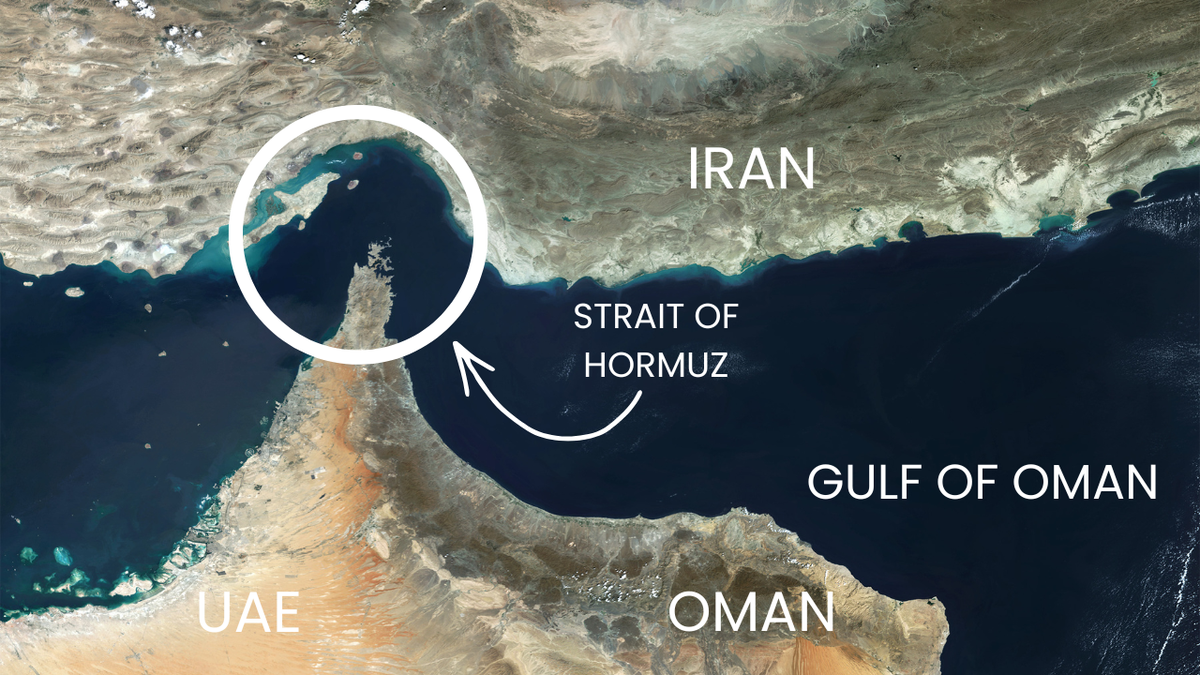
A satellite view of the Strait of Hormuz, a critical chokepoint for global energy supply, connecting the Persian Gulf to the Gulf of Oman. (Gallo Images/Orbital Horizon/Copernicus Sentinel Data 2025/Amanda Macias/Fox News Digital)
“The Skylight anomaly — striking a vessel with an Iranian crew, Iranian operational ties, and active OFAC sanctions — is the single strongest piece of evidence against deliberate targeting by affiliation,” Windward said.
Reuters also reported March 1 that the Palau-flagged tanker was hit off Oman’s Musandam Peninsula in the Gulf of Oman, injuring four.
Oman’s Maritime Security Center said in a post on X that Skylight was attacked about 5 nautical miles north of Khasab Port, caught fire and was evacuated.
Related Article