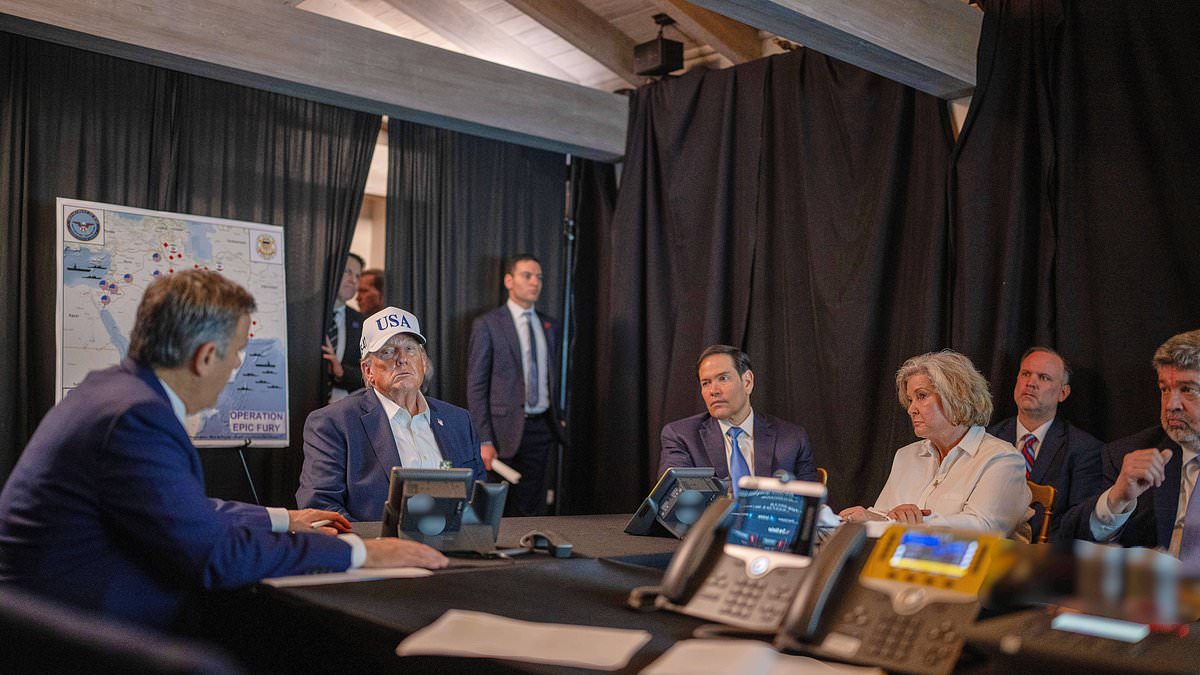


The United States executed preemptive strikes against Iran after discovering that Israel was planning an attack, prompting concerns over potential retaliatory threats to American forces in the area, Secretary of State Marco Rubio announced on Monday. Rubio shared these insights during a briefing with select congressional leaders about the coordinated US-Israel military action. “There was indeed an imminent threat,” Rubio emphasized. “We anticipated that if Iran was attacked, they would swiftly retaliate against us. We were determined not to wait for a strike before responding.” Rubio further explained that the Department of War concluded that a defensive stance following an Israeli attack would likely lead to greater American casualties. So far, five US soldiers have lost their lives in the conflict.
Proactively defensive

“Our proactive measures were defensive, aimed at minimizing potential damage,” Rubio elaborated. “Had we not acted, we would now be facing congressional inquiries about why we failed to act preemptively to save lives,” he added. This disclosure sparked bipartisan criticism. Congressman Joaquin Castro expressed on X, “Secretary Rubio’s comments suggest that Israel endangered US forces by insisting on attacking Iran, with the administration complicit in joining the conflict rather than discouraging it.”
Worst possible thing

Conservative commentator Matt Walsh remarked, “He’s essentially admitting that we’re in a conflict with Iran because of Israel’s influence. It’s arguably the worst admission he could have made.” Rubio claimed that Iran had already positioned its missiles on high alert but did not disclose their specific targets or potential US locations at risk. “An hour after the initial strike on the leadership compound, missile units in both the south and north were prepped for launch. These had already been strategically positioned,” Rubio noted.

The small cadre of lawmakers being briefed Monday is referred to as the ‘gang of eight,’ and it is comprised of the leaders of both parties in the House and Senate and their respective intelligence committee chairmen. Speaker Mike Johnson, House Minority Leader Hakeem Jeffries, Senate Majority Leader John Thune, Senate Minority Leader Chuck Schumer; House Intelligence Committee Chairman Rick Crawford and ranking member Jim Himes; and Senate Intelligence Committee Chairman Tom Cotton and ranking member Mark Warner, were the eight members included in the briefing. The ‘gang of eight’ was also briefed last week before the strikes. Still, Democrats across both chambers have decried the Trump administration for not informing more lawmakers of the impending military action against Iran.

‘There’s no law that requires us to do that,’ Rubio told reporters of the complaints. ‘The law says we have to notify them 48 hours after beginning hostilities. We’ve done that. I think the notification went today, but we did notify members of Congress in advance.’ He went on to note how ‘we can’t notify 535 members of Congress,’ likely due to the operational security threat of so many people knowing of a covert military action. War powers resolutions – legislation aimed at reeling in the President’s authority to unilaterally order strikes – have already been drafted in both the House and Senate.

However, the GOP-controlled Congress has not passed these resolutions, despite large Democratic support and the backing of some Republicans. Rubio said that though Congress has the right to take a war powers vote, its already happened ‘a bunch of times’ without success. Even if it did pass, it would likely face legal trouble as no presidential administration – neither Republican or Democratic – has ever said that a war powers resolution is constitutional, Rubio said. ‘We’ve complied with the law 100 percent, and we’re going to continue to comply with it.’