
In a central California city nestled within Napa Valley, residents are expressing frustration as their tap water is often brown and odorous, despite assurances from authorities that it remains safe for consumption and bathing.
St. Helena, typically celebrated for its Cabernet Sauvignon, is now also becoming infamous for its problematic water supply. While some days the water flows clear, on others, locals describe it as murky and foamy, akin to beer or Chardonnay.
City officials attribute the discoloration to the accumulation of harmless, naturally occurring minerals within the aging municipal plumbing system.
“St. Helena has experienced seasonal water discoloration for over four decades due to naturally occurring iron and manganese present in two of our three water sources. Although these minerals are not harmful, they can accumulate in older pipes and become dislodged with changes in water flow,” the city explained in an update released on August 7, 2025.
Back in December, the city took action by flushing 73,000 gallons of water through the system in response to discoloration issues. At the time, officials warned that a permanent fix would not be immediate.
Now, months later, the residents of St. Helena are growing increasingly impatient and are demanding a faster resolution to the persistent problem.
‘There are days where it’s fine, there are days where it’s brown, and there are days when it smells like swamp,’ Michelle Liu Covell, an architect and a parent, told the San Francisco Chronicle.
Others told KTVU that the water smells like dirt or that when they wash their sheets, they come out brown.

St. Helena, California, has been dealing with water discoloration issues for decades, but residents say it has gotten worse in recent years (Pictured: A resident’s bathtub filled with brown water)

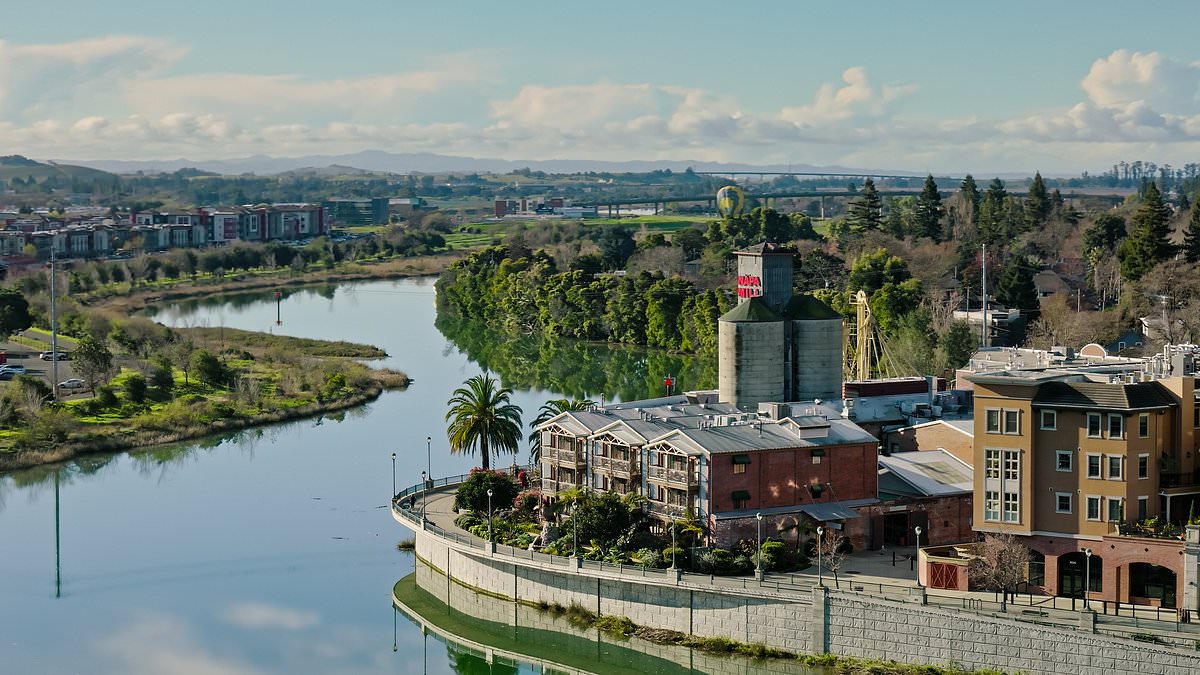
St. Helena is in the heart of Napa Valley (pictured) and is known for its Cabernet Sauvignon
Residents say that even though this has been going on for decades, it used to happen primarily in the summertime. Now they say it’s happening more frequently.
In 2023, city officials acknowledged the rising frequency, saying the tap water issues rose to ‘an entirely new level in both severity and reach, sparking understandable concern throughout our community about water quality and long-term infrastructure health’.
That year, the city estimated it would have to spend more than $55 million over the next five years to bring its drinking water and wastewater systems up to modern standards.
That year was also when Bianca Thall, a mother with young children, decided to move away because of the constantly varying quality of the water.
She told the Chronicle she was sick of having to buy bottled water or boil the tap water until she felt it was safe.
Those who chose to stay are in the same predicament and are being forced to pay some of the highest water bills in the Bay Area.
St. Helena’s lowest utility prices start at around $80 per month for water service and $194 for wastewater.
Longtime St. Helena resident Tom Belt told the Chronicle he installed a water filter for his entire house last year, which cost his family about $800. Replacement filters cost more than $155.

Pictured: Bianca Thall’s bathtub filled with yellow water

Thall left St. Helena with her family over this issue, believing the water was not safe for her children
Cynthia Kee, a mortgage banker, believes the city has not taken enough action. She also doesn’t trust officials’ assurances that the water is safe, so she sent a sample of the water for independent testing.
In January, the city put out a notice to residents that it had not met federal water standards but that it was not an emergency.
In some areas of St. Helena, the water had haloacetic acids that exceeded outlined safety levels.
Haloacetic acids form when disinfectants commonly used to treat drinking water, such as chlorine, react with organic material found in natural water sources.
‘This is not an immediate risk,’ the city stated in a public notice. ‘If it had been, you would have been notified immediately. However, some people who drink water containing HAAs in excess of the MCL (maximum contaminant level, a state drinking water standard) over many years may have an increased risk of getting cancer.’
Jay Kouba, a member of the city’s water advisory committee, told the St. Helena City Council in October 2025 that the water system should be stabilized within six months or a year.
The first in a series of community meetings on the city’s water issues is scheduled for March 30.