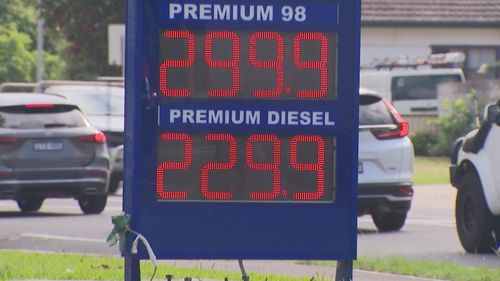

The International Energy Agency (IEA) has sounded an alarm as diesel prices soar to an unprecedented $3 per liter.
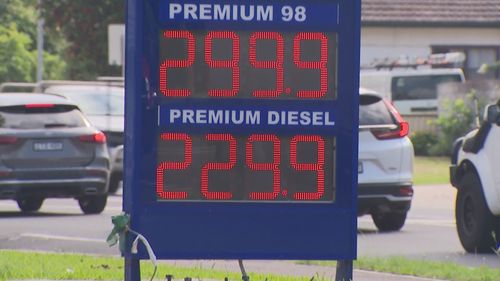
In Melbourne’s northern suburb of Kingsbury, some gas stations are charging as much as $3.10 per liter.
Nationally, the average diesel price stands at $2.45 per liter. Unfortunately, with the ongoing turmoil in the Middle East, there seems to be no immediate relief in sight.
Liberal Senator Paul Scarr emphasized the need for transparency, telling Today, “It’s crucial for the government to clearly inform Australians about our current fuel reserves and the sources of our future supply.”
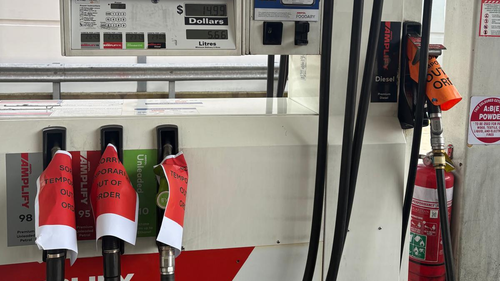
He added, “Ensuring a steady diesel supply is vital for our farmers, as it directly impacts our ability to get food on the table and support our key industries.”
In response to the crisis, the Australian Competition and Consumer Commission (ACCC) has promptly approved measures allowing fuel companies to work together in managing fuel distribution.
“This is part of the government’s decisive action to make more fuel available to industry and households and keep fuel flowing to where it’s most needed, including the bush,” Treasurer Jim Chalmers said.
“It’s really important that the big players in the fuel markets don’t treat this as a chance to disadvantage the independents who play a vital role, including in regional Australia.”
The decision will allow fuel companies to exchange and coordinate information surrounding the fuel supply across the country to prevent shortages without breaching competition laws.
However, fuel suppliers are still not allowed to share information or reach agreements on fuel prices.
The International Energy Agency’s full list of recommendations:
1. Work from home where possible
Displaces oil use from commuting, particularly where jobs are suitable for remote work.
2. Reduce highway speed limits by at least 10 km/h
Lower speeds reduce fuel use for passenger cars, vans and trucks.
3. Encourage public transport
A shift from private cars to buses and trains can quickly reduce oil demand.
4. Alternate private car access to roads in large cities on different days
Number-plate rotation schemes can reduce congestion and fuel-intensive driving.
5. Increase car sharing and adopt efficient driving practices
Higher car occupancy and eco-driving can lower fuel consumption quickly.
6. Efficient driving for road commercial vehicles and delivery of goods
Better driving practices, vehicle maintenance and load optimisation can cut diesel use.
7. Divert LPG use from transport
Shifting bi-fuel and converted vehicles from LPG to gasoline can preserve LPG for cooking and other essential needs.
8. Avoid air travel where alternative options exist
Reducing business flights can quickly ease pressure on jet fuel markets.
9. Where possible, switch to other modern cooking solutions
Encouraging electric cooking and other modern options can reduce reliance on LPG.
10. Leverage flexibility with petrochemical feedstocks and implement short-term efficiency and maintenance measures
Industry can help free up LPG for essential uses while reducing oil consumption through quick operational improvements.
NEVER MISS A STORY: Get your breaking news and exclusive stories first by following us across all platforms.