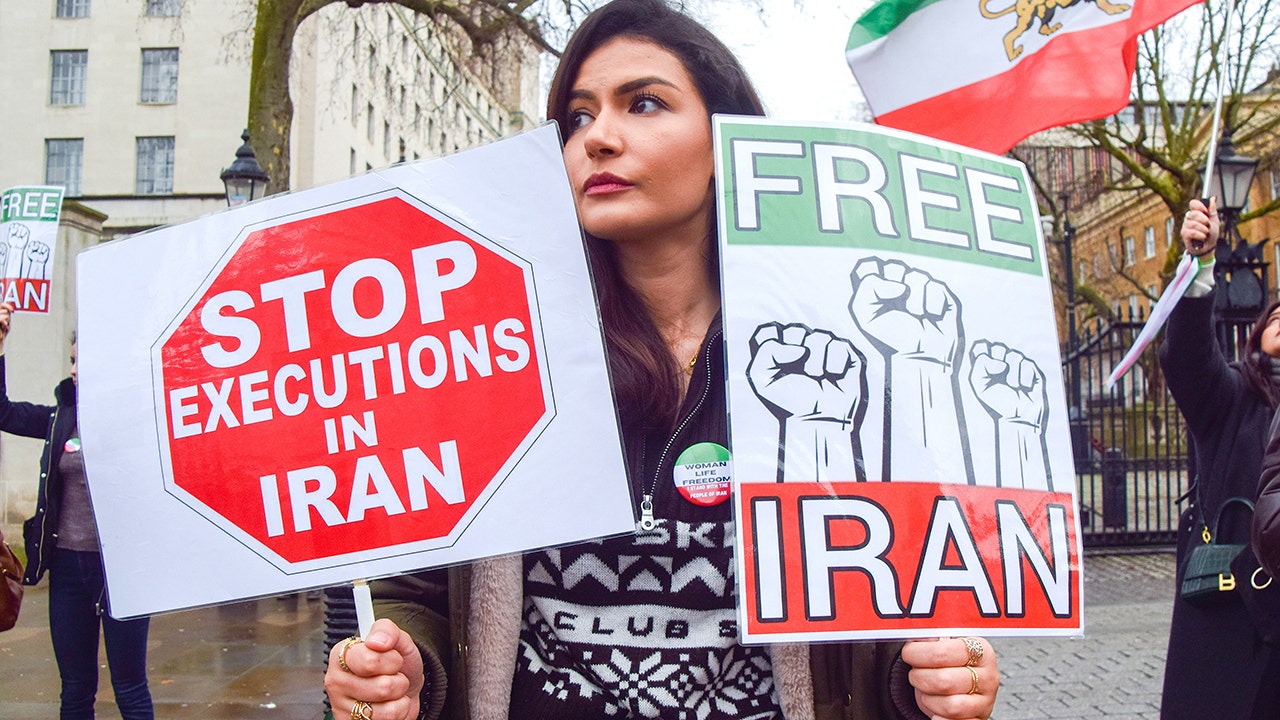

The Islamic Republic of Iran is reportedly on course to surpass its previous record for executions, with 657 people facing capital punishment within just the first three months of 2025. This alarming statistic comes from the Iran Human Rights Society, raising international concern over the regime’s actions.
Amid ongoing tensions with the United States and Israel, critics argue that the Iranian government is intensifying efforts to silence dissent. This crackdown follows a series of anti-regime protests that rattled the nation, leading to the deaths of tens of thousands at the hands of security forces and allied militias. Observers suggest the regime’s actions reflect a desperate attempt to stifle opposition voices.
The situation drew widespread condemnation, notably from former President Donald Trump, following the execution of 19-year-old wrestler Saleh Mohammadi in March. The international community, including human rights advocates, has been vocal in its criticism of Iran’s actions.
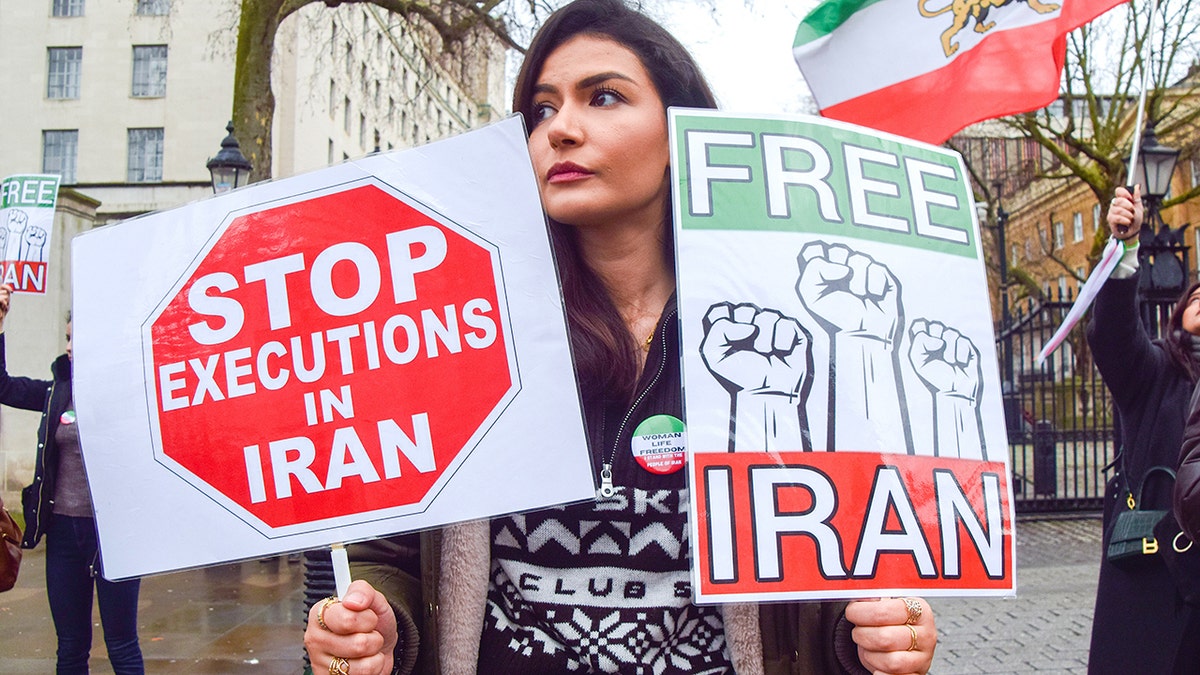
Protesters around the world have shown solidarity with those in Iran, with demonstrations taking place outside prominent landmarks like Downing Street. Participants carried placards demanding an end to executions in Iran and voicing support for greater freedoms within the country. (Image credit: Vuk Valcic/SOPA Images/LightRocket via Getty Images)
In response to Iran’s ongoing execution spree, a spokesperson from the U.S. State Department expressed concern to Fox News Digital, labeling the regime’s actions as “barbaric” and underscoring the importance of preventing Iran from acquiring advanced capabilities.
Mai Sato, the United Nations special rapporteur on human rights in Iran, has been closely monitoring the situation. She noted that at least six executions were reported by March 30, with an additional two occurring on March 31, further highlighting the grave human rights situation in the country.
Sato described the regime’s known victims as protesters, an accused spy for Israel, and individuals charged with “armed rebellion” against the regime. Sato said that “due to the internet blackout, it is unclear who else has been executed or are at risk of execution.” She said, “What is clear is that the death penalty is being used as a tool for suppressing political opposition in wartime conditions.”
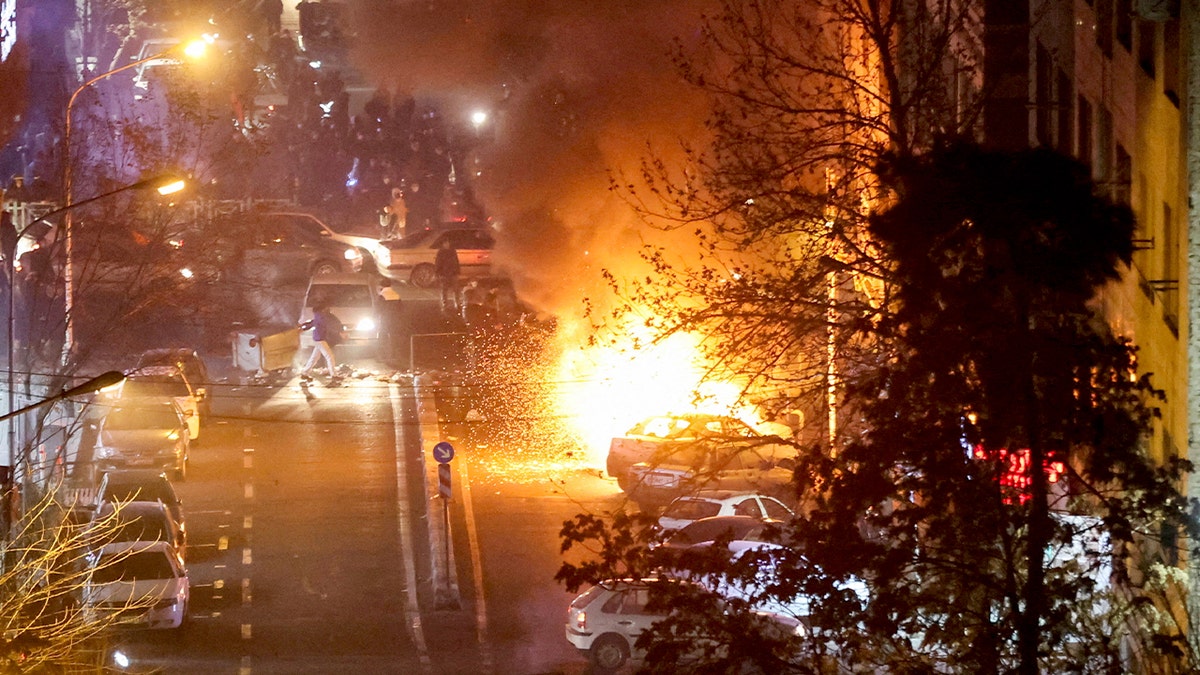
Cars burn in a street during a protest over the collapse of the currency’s value in Tehran, Iran, Jan. 8, 2026. (Stringer/WANA (West Asia News Agency) via REUTERS)
The secretariat of the NCRI provided a written statement to Fox News Digital describing the recent executions of four members of the Iranian dissident organization People’s Mohahedin Organization of Iran (PMOE/MEK). The NCRI said members Mohammad Taghavi and Akbar Daneshvarkar were transferred from Ghezel Hesar prison on March 29 and executed the following morning. Four additional members of the group, Babak Alipour, Vahid Bani Amerian, Abolhassan Montazer and Pouya Ghobadi, were transferred as well. On March 31, the regime executed Alipour and Ghobadi.
Ali Safavi, a member of the NCRI’s Foreign Affairs Committee, called for “urgent action” to save the lives of Amerian and Montazer.
Maryam Rajavi, the president-elect of the NCRI, posted on X that the execution conducted on March 31 “reflects the clerical regime’s fear and desperation.” She called on the United Nations and its member states to engage in “practical and effective measures, including the closure of embassies and the expulsion of the regime’s terrorist diplomats and agents.”
Before the Islamic Republic killed thousands of its own people during January protests, the United Nations Office of the High Commissioner for Human Rights stated that the Islamic Republic carried out “at least” 1,500 executions in 2025. According to the high commissioner, “the scale and pace of executions suggest a systematic use of capital punishment as a tool of State intimidation, with disproportionate impact on ethnic minorities and migrants.”
Amnesty International has raised similar concerns, and additionally noted that five “young protesters” now “face the imminent risk of execution,” having been transferred from Ghezal Hesar “to an unidentified location” as of March 31.