
South Africa is grappling with a severe crisis of child pregnancies that highlights troubling issues of rape, sexual violence, and systemic neglect occurring unabated in the country.
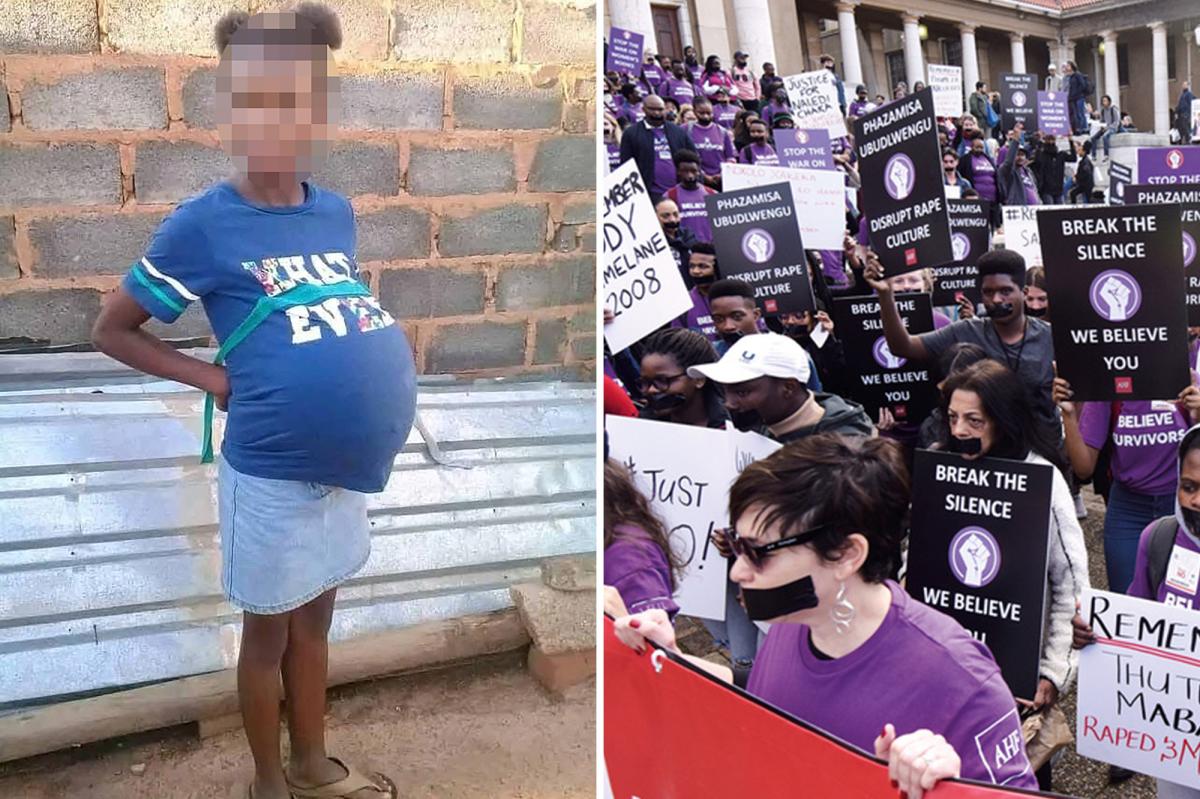
In maternity wards across South Africa, the sight of girls as young as 10 giving birth has become alarmingly commonplace, illustrating a grim and pervasive trend.
During the year 2025, the country recorded over 123,000 births to mothers aged 19 and younger. Alarmingly, over 4,000 of these births involved girls between the ages of 10 and 12.
These distressing statistics are drawn from actual hospital records, underscoring a deeply entrenched problem rather than speculative data.

Such figures place South Africa among the nations with the highest rates of child and adolescent pregnancies globally.
Even more concerning is the spotlight these numbers cast on the nation’s legal and institutional shortcomings, prompting urgent inquiries into the effectiveness of South Africa’s child protection and sexual offenses laws.
In late 2025, a viral TikTok trend in South Africa saw underage girls posting videos with babies they had given birth to.
The South African Childrenâs Act states that any pregnancy involving a child under 16 should trigger a statutory rape investigation, despite the age of consent being 12.
However, many cases go unnoticed in maternity wards, schools and social services, often resulting in no arrests, prosecutions or protection for the child.
The scale of the crisis has prompted South Africaâs official opposition party, the Democratic Alliance (DA), to put out a statement and initiate a national investigation into child and adolescent pregnancy.
They have described the situation as a âchild-pregnancy pandemicâ and are accusing provincial health and social development departments of failing to comply with the Childrenâs Act.
Provincial breakdowns illustrate the widespread nature of the crisis. In the Eastern Cape, health authorities recorded 117 births to girls aged 10 to 12 in a single year.
In Gauteng, South Africaâs most populous province, there were 531 births to girls in the same age group. KwaZulu-Natal, which consistently reports the highest number of adolescent pregnancies, recorded 438 live births among girls aged 10 to 12, along with 24,532 births to girls aged 15 to 19 during the same period.
The recorded figures represent documented hospital births, but few lead to arrests or child protection interventions.
Womenâs rights activists believe the actual number is higher due to many pregnancies ending in home births, miscarriages or terminations that donât appear in official data.

They also warned that early pregnancies pose serious medical risks, including complications during childbirth and long-term reproductive harm.
South Africaâs Sexual Offences Act mandates that statutory rape cases be reported to the police; however, advocacy groups argue that hospitals and social services often prioritise clinical care over ensuring that these cases are referred for criminal investigation.
Families are frequently reluctant to pursue legal action against relatives or community members. In some cases, girls are pressured to remain silent to âavoid shameâ or social repercussions.
âEvery pregnancy involving a child is rape,â Lethabo, a womenâs rights activist, told news.com.au.
She emphasised that failures to effectively pursue perpetrators allow abuse to persist unchecked.
âWhen these cases are treated as medical events instead of crimes, the system is failing the child twice,â she said.
âThe consequences for the child are both immediate and long-lasting. Pregnancy interrupts schooling, exposes girls to health risks and often traps them in cycles of poverty and dependence.â
Research shows that early motherhood increases the likelihood of school dropout, economic hardship and repeated abuse for girls.
In South Africa, teenage pregnancy is a major cause of dropout, especially in impoverished provinces.
Despite policies permitting young mothers to return to school, inconsistent implementation and stigma pose significant barriers.
Child rights groups argue that early pregnancy highlights broader neglect issues, such as inadequate supervision, violence exposure and limited sexual health education.
For girls aged 10 to 12, advocates stress that consent is irrelevant; the focus is on criminal abuse.
The child pregnancy crisis in South Africa is part of a larger issue involving the countryâs ongoing epidemic of gender-based violence.
According to statistics, between March 2024 and March 2025, more than 5578 women were murdered, and there were 7239 attempted murders, averaging about 11 women killed every day.
Additionally, there were 42,569 reported rapes and 7418 cases of sexual assault, which translates to over 116 rapes and 20 sexual assaults daily.
However, these figures are widely believed to represent only a fraction of the actual cases due to underreporting. Last year, from April to September, over 19,300 cases of rape were reported, averaging 105 cases per day.
Children, especially girls, make up a significant portion of sexual assault victims in South Africa, as highlighted by police data.
This issue has sparked national outrage and protests, with women demanding safety and justice.
Ahead of the G20 summit in Johannesburg in November 2025, demonstrations organised by Women for Change emerged in at least 15 cities, including Johannesburg, Cape Town and Durban.
Protesters accused the state of failing to protect women and children and brought attention to femicide, sexual violence and the normalisation of abuse, particularly regarding pregnancies from rape.
The campaign encouraged women, LGBTQ individuals and allies in South Africa and the diaspora to wear black in mourning, change profile pictures to purple for solidarity and participate in a 15-minute silent lie-down at noon to honour the estimated 15 women killed daily by gender-based violence.
Social media was filled with purple-themed posts as the campaign garnered over a million petition signatures, urging the government to declare gender-based violence a national disaster. The protests highlighted a series of violent incidents that fueled public outrage, including the #JusticeForCwecwe campaign following the rape of a seven-year-old girl in the Eastern Cape in late 2024. They also cited high-profile murders, such as Tshegofatso Pule, who was found stabbed and hanging from a tree while eight months pregnant, and Olorato Mongale, who was abducted and killed after a date in Johannesburg. These cases underscored a widespread belief that violence against women and girls is pervasive and insufficiently addressed.
Activists timed their demonstrations with the G20 to highlight the disparity between South Africaâs constitutional democracy and the realities faced by women and girls.
They called for urgent reforms in policing, mandatory reporting of child rape and accountability for neglecting abuse cases.
The shutdown campaignâs pressure led the National Disaster Management Centre to classify gender-based violence and femicide as a national disaster, improving resource allocation to address the issue. MPs acknowledged the protests and reaffirmed their commitment to combat gender-based violence.
For now, the numbers continue to rise as South Africa confronts one of the highest rates of sexual violence in the world.
This data reflects a story the state has long struggled to address: that child pregnancy, femicide and sexual violence are not separate issues, but rather symptoms of the same underlying failure.
Until these cases are treated as crimes instead of mere administrative outcomes, South Africaâs youngest girls will continue to be among its most vulnerable citizens.