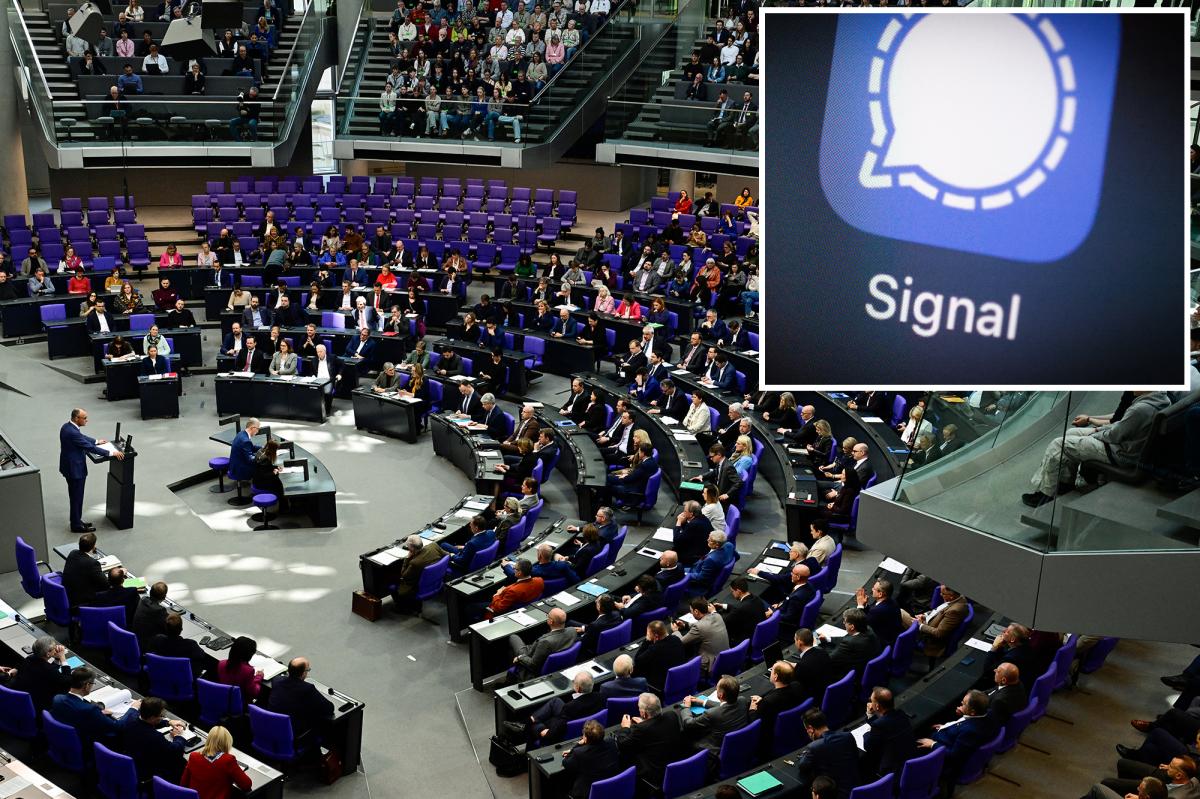

Russia is reportedly behind a significant phishing attack targeting Germany’s prominent political figures, diplomats, and military officials through the Signal app.
While the exact number of those affected remains uncertain, German media outlets suggest that at least 300 accounts of politicians were targeted, including some cabinet members, according to a report by the German Press Agency, dpa.
Konstantin von Notz, a Member of Parliament and deputy chief of the intelligence oversight committee, expressed concerns to AFP, stating, “The number of unreported cases will continue to rise in the coming days.” He added, “At present, no one can say with any certainty whether the integrity of MPs’ communications is still guaranteed.”

German authorities suspect that Russia orchestrated the cyberattack, which also aimed at high-profile journalists in Berlin, as reported by government sources to Reuters.
Germany, a significant supporter of Ukraine in terms of military aid, has increasingly become a target for alleged Russian espionage and sabotage efforts.
Berlin has served as one of Ukraine’s biggest providers of military aid, with Germany frequently targeted by suspected Russian espionage and sabotage plots.
The hackers allegedly sent messages to the targets posing as “Signal Support,” where they would ask the officials to enter their PIN, click on a link or scan a specific QR code.
Once the targets complied, the hackers gained access to the victim’s chats and address books, dpa reported.

German federal prosecutors said they have been investigating the phishing attack since mid-April, while declining to provide further details.
Germany’s domestic intelligence service BfV and its cybersecurity office BSI had warned earlier this year that state-sponsored actors could launch attacks on messaging apps such as Signal in the near future.
Moscow has repeatedly denied allegations of spying and sabotage in other countries.
With Post wires