In my professional journey as a doctor, I find myself straddling two distinct yet interconnected realms. My primary expertise lies in obstetrics and gynecology, where I serve part-time within the NHS. Additionally, I have honed my skills in advanced aesthetics, with a focus on cosmetic gynecology. This specialization allows me to care for both the functional and aesthetic well-being of the intimate area, addressing aspects such as skin texture, volume, pelvic floor strengthening, and rejuvenation.
Recently, however, a new trend has emerged among my patients. While the term ‘Ozempic face’—referring to the gaunt, aged appearance that can accompany rapid weight loss due to GLP-1 drugs—has become widely discussed, fewer people are aware of a similar issue affecting the intimate area. I’ve started to encounter what could be termed as ‘Ozempic vagina.’
It’s a topic that might not immediately come to mind, but it’s important to recognize that any medication leading to swift weight loss can have unexpected effects on the body, including the intimate regions. The sagging and laxity observed on the face with these drugs often mirror what happens below the belt, although it remains largely unseen.
An increasing number of women, particularly those in the perimenopausal or menopausal stages, are experiencing this firsthand. While they are thrilled with their weight loss achievements, they find themselves confronting an intimate area that appears aged, feels uncomfortable, and functions differently.
These are the core concerns my patients are now facing, alongside the solutions we are exploring to address them.
Lax labia
Much like how rapid weight loss can lead to a loss of volume in the cheeks, the same effect occurs in the intimate area. Many patients report noticing sagging in their labia, especially when standing, which can be distressing and unexpected.
From an aesthetic perspective, the area no longer looks youthful and this can have a knock-on effect on their self-esteem and, subsequently, their relationships.
Crucial cushioning
Beyond aesthetics, the loss of fat has serious physical implications. We naturally have a layer of fat across the pubic bone (the mons pubis) and the outer lips (labia majora) and that cushion has a functional role to play.

Dr Sima, who specialises in gynaecology, says the sagging and laxity seen on a face when a patient starts taking weight loss drugs is often reflected in the intimate area too
When patients lose that padding they can find that wearing underwear or tight clothes becomes painful because there is no support for the inner lips. The increased friction can also lead to pigmentation issues but, more worryingly, this anatomical change affects your health. Increased friction can result in higher susceptibility to thrush and bacterial vaginosis, and as the labia lose volume, the urethra becomes less protected, increasing the risk of urinary tract infections (UTIs).
If the women are already menopausal or perimenopausal, a time at which the tissues in this area already have a tendency towards atrophy, then weight loss just compounds the problem.
Hormonal horrors
Even if GLP-1 users aren’t menopausal or perimenopausal they may still find that taking these types of drugs has an impact on their hormone levels. Adipose tissue (body fat) actually plays a role in producing oestrogen, meaning higher body fat usually correlates with higher oestrogen levels.
When a patient takes a drug like Ozempic (Wegovy in the UK) or Mounjaro, they experience a rapid decline in body fat, which can lead to a rapid decline in oestrogen levels. This effectively mimics – or exacerbates – perimenopausal symptoms which can include vaginal dryness, decreased lubrication and a lower libido.
Dehydrated down there
Weight-loss drugs don’t only reduce appetite, they can also reduce thirst, often leading to general dehydration. If you are dehydrated systemically, you will experience intimate dryness. This combination of low oestrogen and dehydration can make intercourse painful and diminish sensation.
THE SOLUTION
Before I treat any patient it’s imperative that I understand what is causing the problem – you can’t just treat the symptom without understanding the root cause.
Although the use of GLP-1s has become more commonplace, it’s still not something that a patient will automatically reveal, so we’ll do a very in-depth consultation before discussing what their major concerns are.

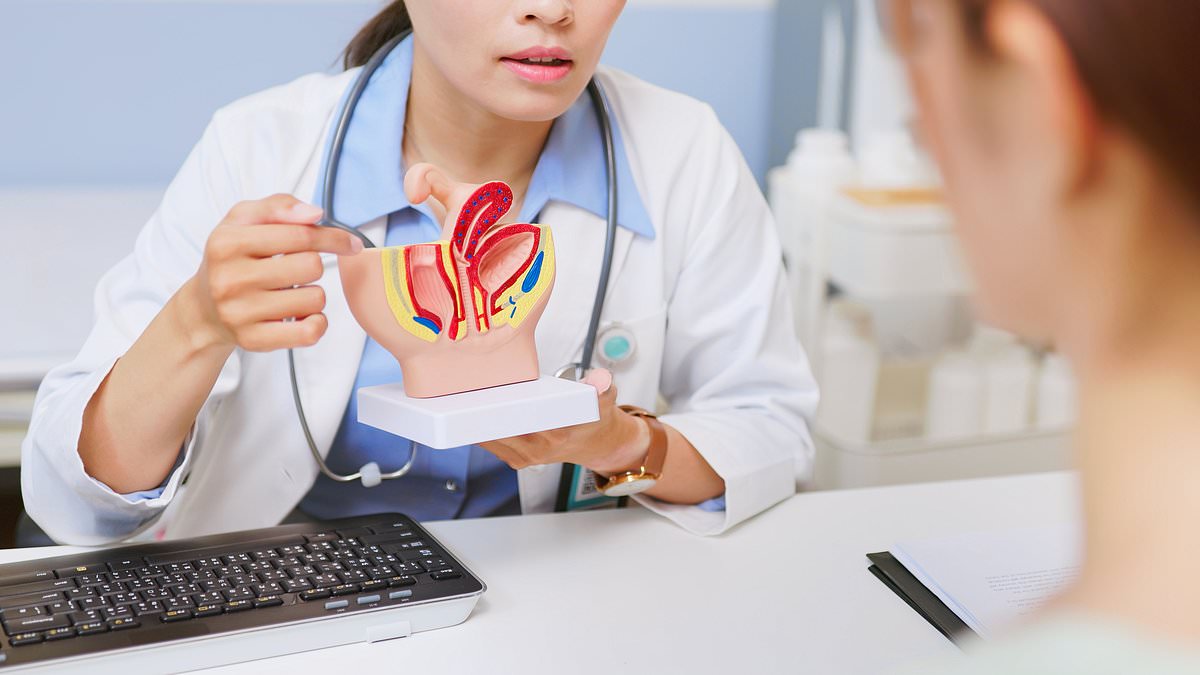
At Dr Sima’s clinic, she uses a range of treatments to combat symptoms of ‘Ozempic vagina’, such as micro-needling to replace lost volume and hyaluronic acid injections to reduce dryness
Sometimes, I’ll use a treatment that will improve the quality of the skin and give a lifting effect. You may have heard of the Morpheus 8, which is a radio frequency micro-needling treatment that is used on the face. The Morpheus 8 V is similar but designed for the intimate area. For more significant changes, we might use non-surgical labiaplasty (from £3000) which uses radiofrequency at higher temperatures to tighten the area and improve aesthetic appearance.
Once we have improved the skin quality with treatments like micro-needling, we can look at replacing that lost volume. We can use fillers (around £300-£500) to restore the ‘cushion’ in the outer lips, which provides the necessary support and protection for the inner structures. We might also focus on pelvic floor strengthening to improve overall support.
And to combat dryness and laxity, I often combine treatments. So maybe using hyaluronic acid injections to deeply hydrate the tissues alongside internal radiofrequency treatments to rejuvenate the area, improve blood flow, and help with dryness and sensation.
There is no quick fix. My approach is holistic and customised to each patient’s specific complaints. It usually takes three to six months to achieve the desired results and most of my patients will come back in for an annual maintenance treatment. Just like losing weight, it’s not a one-and-done thing.
drsima.co.uk