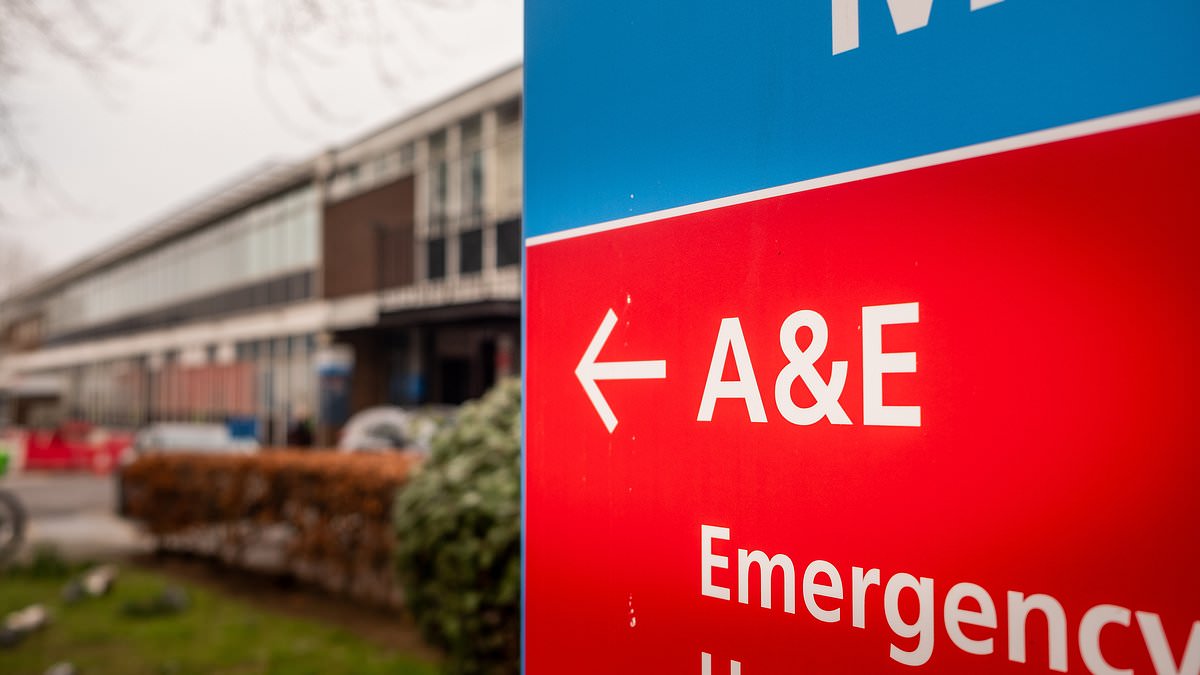

According to a significant study, Accident and Emergency admissions were expedited on NHS strike days, allowing some patients to secure beds up to five hours earlier than usual.
Conducted by researchers at Lancaster University, the analysis examined over 44,000 hospital admissions from two emergency departments in Lancashire, covering the period from January 2022 to April 2024.
This timeframe encompassed 61 strike days involving junior doctors, consultants, nurses, and ambulance staff.
Despite concerns that these walkouts would severely impact frontline services, the study revealed that there was no change in the number of A&E visits, the percentage of patients admitted, or the speed at which they were initially attended to by a clinician.
Interestingly, once the admission decision was made, patients were moved to wards considerably faster during specific strike days, especially those involving junior doctors and consultants.
The most notable improvements were observed at a full-service 24-hour emergency department with a major trauma unit, while a smaller unit focused on minor injuries also reported quicker admissions during consultant strikes.
Experts believe the surprising trend is likely due to increased bed availability, as hospitals cancelled large numbers of routine operations and appointments during strike action.
Around one million elective procedures were postponed across the NHS between 2022 and 2024, freeing up space for emergency patients.

A&E admissions were faster during NHS strike days, a major study has revealed
Lead researcher Professor Jo Knight said the findings suggest that delays in A&E are often driven less by staffing shortages and more by a lack of available hospital beds.
But the researchers cautioned that the results do not mean strikes improve care overall.
The study was limited to just two hospitals and cannot prove that industrial action directly caused the faster admissions.
They also warned that any short-term gains in emergency departments must be weighed against the wider impact of cancelled routine care, which may leave thousands of patients waiting longer for planned treatment.
The findings add to growing evidence that pressure on hospital capacity – including delays in discharging medically fit patients – plays a major role in A&E backlogs, raising questions about how the NHS could improve patient flow outside of strike periods.
Professor Knight added: ‘This study found improved flow through the emergency department during certain strike days, which we infer is largely due to improved inpatient capacity.
‘This suggests that during non-strike periods, patient flow through NHS emergency departments can be improved by expanding capacity and efficiently discharging medically fit patients.’
The report comes amid wider concerns about NHS emergency care capacity.
A freedom of information investigation has revealed that four in ten NHS organisations are using nurses or other non-medical staff to cover doctors’ rotas because of workforce shortages.
The British Medical Association warned that the ‘haphazard’ use of non-medical staff risks patient safety and could be ‘a potential disaster for everyone involved’.
The concerns come amid growing debate over ‘doctor substitution’ in the NHS, including the expanding role of advanced practitioners – clinicians from nursing, paramedic and pharmacy backgrounds – in hospital settings.
A recent survey by the Royal College of Emergency Medicine found A&E departments are operating at more than double their intended capacity, with thousands of patients forced into corridors, waiting areas and other unsuitable spaces.
On one snapshot day, more than 7,000 patients were being treated in departments designed for fewer than 3,000, while some individuals waited days – or even weeks – for a hospital bed.
Doctors warned that delays are now so severe that some mental health patients have waited more than two weeks for admission.
Experts say that without urgent expansion of specialist children’s services and improvements in hospital discharge capacity, the situation is likely to deteriorate further.


