
The World Health Organization (WHO) has given the green light to the first-ever malaria treatment specifically designed for infants, marking a significant milestone in global healthcare. This approval paves the way for the treatment’s broad distribution and use worldwide, particularly in regions heavily impacted by the disease.
In Africa, where malaria is a relentless threat, up to 18% of children under six months of age are at risk of infection. Historically, there has been a lack of safe treatment options for these youngest patients. In 2024 alone, malaria claimed the lives of 610,000 individuals, with approximately three-quarters of these deaths occurring among children under five in Africa.
Until now, infants with malaria have faced treatments that were originally intended for older children, which posed significant risks such as incorrect dosing, adverse side effects, and increased toxicity. The introduction of Coartem Baby aims to bridge this treatment gap and offer a safer option for the youngest patients. This new drug, suitable for infants weighing as little as 2kg (4.4 pounds), is designed as sweet cherry-flavored tablets that can be easily dissolved into liquids, including breast milk, making administration both practical and more palatable for infants.
Dr. Tedros Adhanom Ghebreyesus, WHO’s Director-General, expressed optimism about the advancement, stating, “For centuries, malaria has stolen children from their parents, and health, wealth, and hope from communities. But today, the story is changing.”
With WHO prequalification, Coartem Baby meets the rigorous international standards for quality, safety, and efficacy. This approval not only ensures its reliability but also facilitates procurement by the public sector in countries grappling with high malaria incidence, especially in sub-Saharan Africa, thereby offering renewed hope in the battle against malaria.
Coartem Baby now has WHO prequalification, which indicates it meets international standards of quality, safety and efficacy, and will enable public-sector procurement for many countries with high rates of malaria, particularly in sub-Saharan Africa.
Ghebreyesus said new vaccines and diagnostic tests, alongside next-generation mosquito nets, were helping to turn the tide against the mosquito-borne disease.
Coartem Baby contains two antimalarial drugs, artemether and lumefantrine, and was developed by the multinational pharmaceutical company Novartis and the Medicines for Malaria Venture (MMV).
The development follows increasing research challenging the historical misconception that young babies cannot be infected with malaria because they retain immunity passed on by their mothers during pregnancy and breastfeeding.
Dr Martin Fitchet, chief executive of MMV, said: “For too long, newborns and young infants with malaria have fallen through the cracks because existing treatments were not designed with them in mind.” He said the WHO ruling was “a major public-health milestone”.
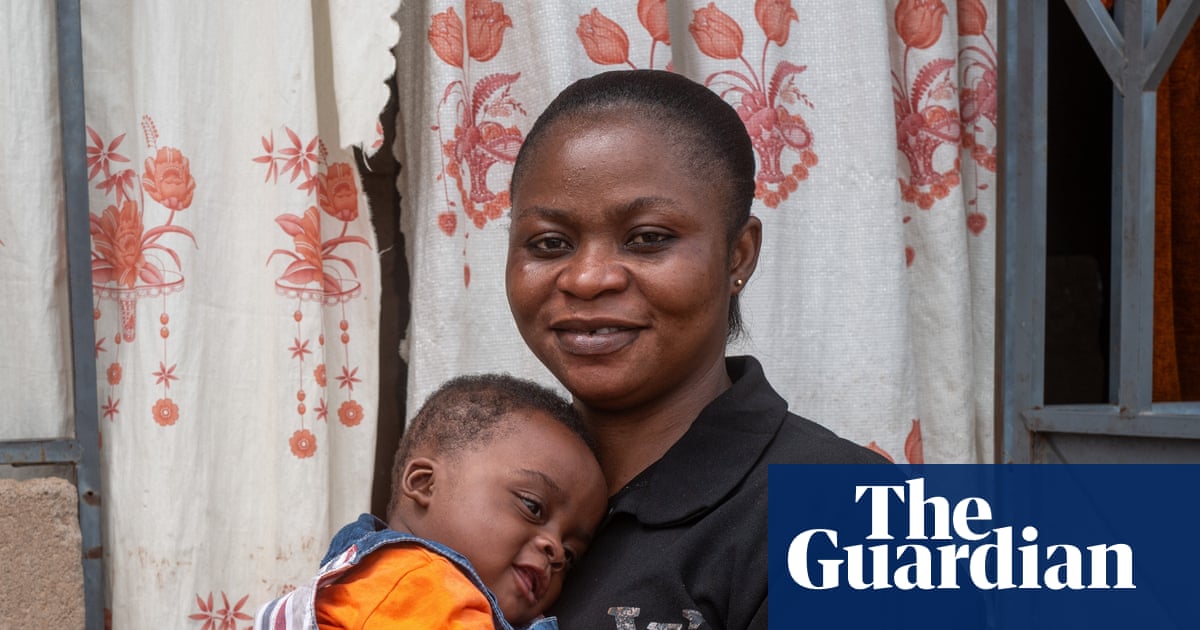
The treatment has already been introduced in Ghana. Baby Wonder, now eight months old, was among the first patients to receive the drug, when he was 12 weeks old. He had been taken to hospital with a high fever, and tests confirmed elevated levels of the malaria parasite in his blood.
“I was very scared when my son got malaria because he was born underweight,” said his mother, Naomi.
Doctors at the hospital managed to coordinate access to Coartem Baby, and today Wonder is healthy and thriving.
“As doctors we have tended to look for malaria in older children, but when newborn babies got sick nobody seemed to know what to do,” said Dr Emmanuel Aidoo, a paediatrician at Methodist hospital in Ankaase, Ghana. “Having a new treatment tailor-made for infants that is well tolerated gives us confidence.”
Novartis said it would make the treatment available “on a largely not-for-profit basis in malaria-endemic regions”.
The Gates Foundation, which contributes funding towards the independent journalism produced on the Guardian’s Global development site, is also among the donors to the Medicines for Malaria Venture


