
FOX FIRST: The U.S. Department of Homeland Security (DHS) is sharply criticizing Minnesota authorities after the state’s Board of Pardons unanimously agreed to pardon a Laotian national with multiple assault convictions. DHS cautioned that this decision could interfere with an existing deportation order against him.
Xayasounethone Chandee, an undocumented immigrant from Laos, was found guilty of assault in 1992. In the aftermath of the jury’s verdict, an immigration judge issued a final order for his deportation in 1995.
However, Chandee remained in the country and, in 2008, was once again convicted on two felony charges of aggravated assault involving a weapon.
The DHS expressed concern that the Minnesota Board of Pardons’ recent decision to pardon Chandee might hinder his removal from the United States.
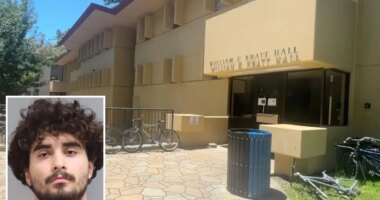
Xayasounethone Chandee, an undocumented immigrant from Laos, faced a 1992 conviction. (DHS)
“The unanimous choice by the Minnesota Board of Pardons to forgive an illegal immigrant convicted of three violent assaults is sheer madness,” remarked DHS acting assistant secretary Lauren Bis to Fox News Digital.
“Chandee lost his green card following his convictions for aggravated assault with a weapon. Following his criminal convictions, he was placed in removal proceedings and issued a final order of removal by a judge.”
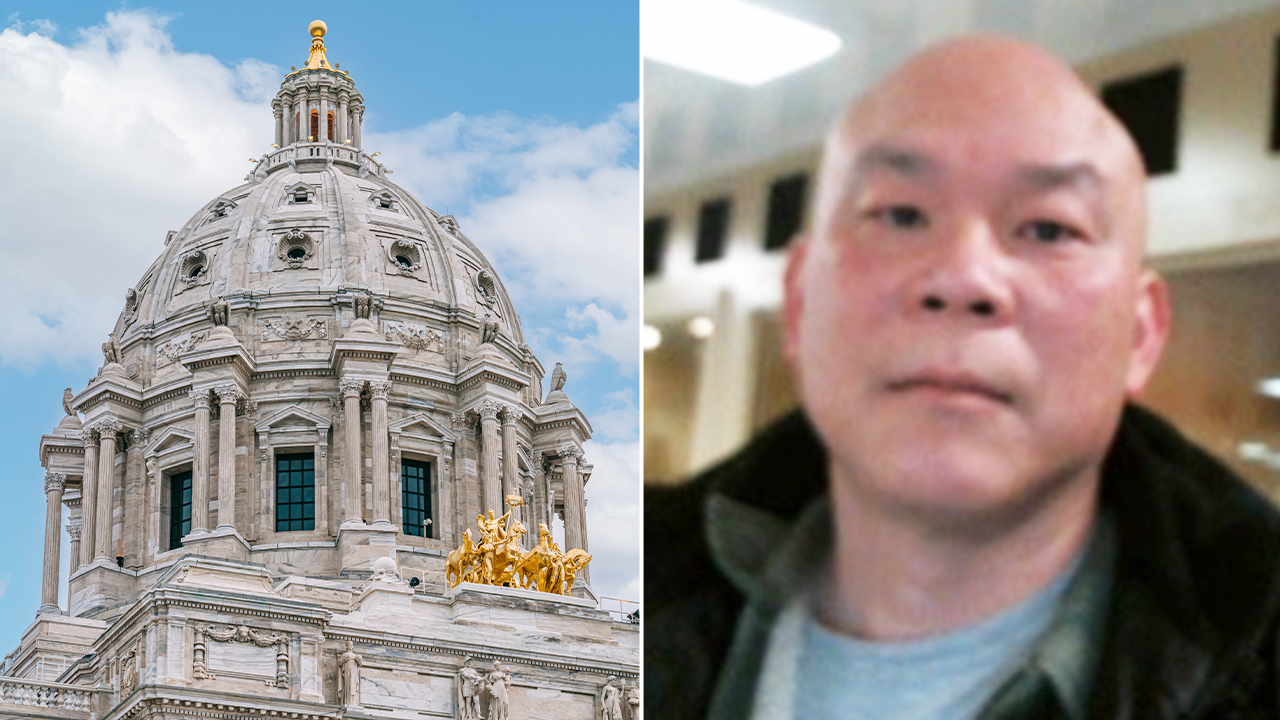
The Minnesota Board of Pardons’ decision was unanimous, according to DHS. (Steve Karnowski/Associated Press)
“Minnesota’s sanctuary politicians’ pardon took away this violent thug’s qualifying convictions that made him removable from the U.S.,” she continued.
Chandee entered the country as a legal permanent resident when he was a minor. However, visas and green cards can be revoked when a holder breaks the law.
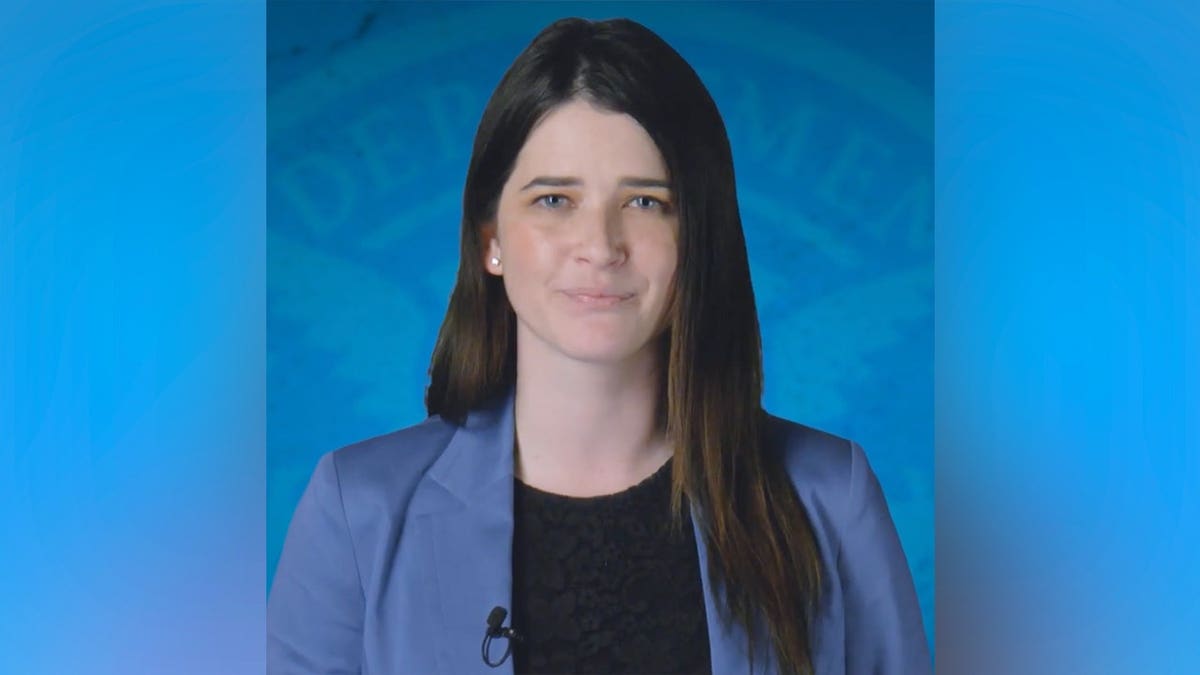
DHS acting assistant secretary Lauren Bis told Fox News Digital, “Minnesota’s sanctuary politicians’ pardon took away this violent thug’s qualifying convictions that made him removable from the U.S.” (@ushomelandsecurity via YouTube)
“It is a privilege to be granted a visa or green card to live in the United States of America,” DHS wrote in a statement. “When you break our laws, that privilege should be revoked, and you should not be in this country.”
-->