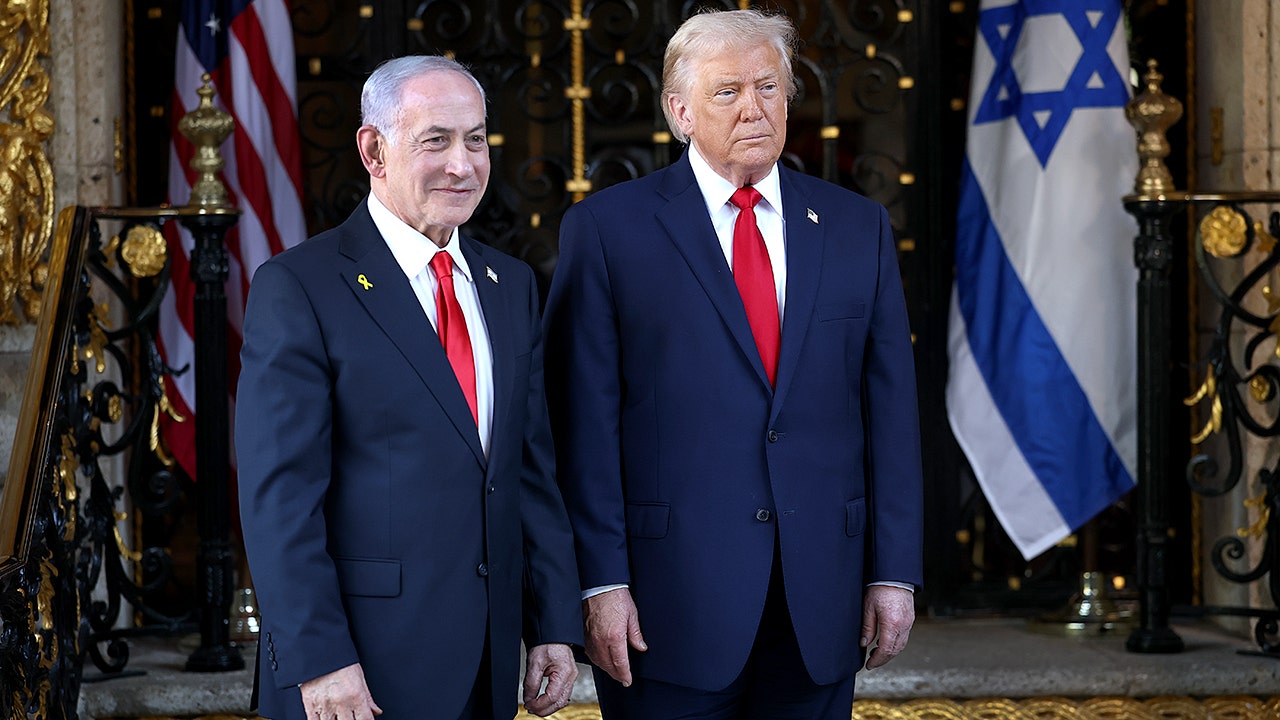

In the midst of negotiations hinting at a potential diplomatic breakthrough with Iran, President Donald Trump has indicated progress is underway. As such developments unfold, Israeli officials and analysts are increasingly vocal about what they believe any agreement must encompass to prevent Iran from re-establishing its military and regional influence.
Israeli Prime Minister Benjamin Netanyahu has emphasized that Israel and the United States are maintaining “full coordination” during these pivotal discussions. Netanyahu, speaking at the commencement of a security cabinet meeting, underscored the shared goals between the two nations.
“Our primary objective,” Netanyahu stated, “is the removal of all enriched materials from Iran and the dismantling of their enrichment capabilities.” His remarks reflect the critical nature of these negotiations from the perspective of Israeli security concerns.
The ongoing discussions have received positive feedback from President Trump, who expressed optimism about reaching a potential deal. “We’ve had very good talks over the last 24 hours, and it’s very possible that we’ll make a deal,” Trump mentioned to reporters in the Oval Office.
Nevertheless, Trump issued a cautionary note, suggesting that should the talks falter, more drastic measures might be considered. “If negotiations fail, we’ll have to go a big step further,” he warned, indicating the high stakes involved in these diplomatic efforts.
At the same time, Trump warned that if negotiations fail, “we’ll have to go a big step further.”
For Israel, the question is not simply whether the war ends, but whether Iran emerges from negotiations weakened or repositioned to rebuild. Israeli officials fear a weak agreement could allow Tehran to preserve strategic capabilities, regain economic breathing room and eventually restore the regional network of armed groups that threatened Israel before the war. Jerusalem is also seeking guarantees that any future deal preserves military leverage and freedom of action if Iran violates its commitments.
Against that backdrop, Israeli analysts say Jerusalem’s red lines focus on four core areas: dismantling Iran’s enrichment infrastructure, restricting its ballistic missile program, preventing Tehran from rebuilding Hezbollah and Hamas, and ensuring the regime does not gain political legitimacy or strategic relief from the negotiations.
No enrichment, no sunsets
On the nuclear issue, former Israeli National Security Advisor Yaakov Amidror said Israel’s position remains uncompromising.
“Weaponized uranium must leave Iran,” Amidror said. “The Iranians must not be allowed to enrich uranium.”
Israeli journalist and commentator Nadav Eyal agreed, adding that Israel is seeking a much stricter framework than previous agreements.
“Israel wants Iran to stop enrichment for as long as possible and for the enriched material to leave Iran,” Eyal said, adding that Jerusalem is looking for “an arms control agreement that would be extensive and robust.”
An unclassified image released by U.S. Central Command showing strikes on Iran. (U.S. Central Command/Reuters)
Avner Golov, vice president of the Mind Israel think tank, told Fox News Digital that Israel also wants Iran’s underground nuclear infrastructure dismantled entirely.
“In the nuclear arena, what matters is the removal of the enriched material, the destruction of the underground facilities, including those still being built, and a prohibition on new sites,” Golov said.
Golov also warned against “sunset clauses” that would allow restrictions to expire after several years.
“There must be an agreement without sunsets,” he said, calling for “unprecedented monitoring and supervision, anywhere, under any conditions and not dependent on Iranian approval.”
Jonathan Ruhe, Jewish Institute for National Security of America (JINSA) fellow for American strategy, told Fox News Digital, “Ultimately the United States and Israel should have strongly similar redlines for an acceptable deal,” he said, including “shutting down Iran’s nuclear weapons program completely, permanently and verifiably.”
Ruhe said that goes beyond Iran handing over highly enriched uranium and includes shutting down remaining enrichment-related facilities at Pickaxe and Isfahan.
President Donald Trump speaks with Israeli Prime Minister Benjamin Netanyahu at Ben Gurion International Airport in Tel Aviv on Oct. 13, 2025. (Chip Somodevilla/Getty Images)
Missiles seen as equal threat
Alongside the nuclear issue, Israeli analysts say Iran’s ballistic missile program has become equally central to Israel’s security concerns.
“One of the key questions is whether there will be any sort of limitation on the ballistic missile program of the Iranians,” Eyal said. “Israel sees this as no less of an existential threat than the nuclear issue.”
Amidror warned that without missile restrictions, the threat could eventually extend beyond Israel and Europe.
“If there are no restrictions on the missile program, then missiles that today can reach half of Europe will, within five to 10 years, be able to reach the United States,” he warned.
Golov argued that a nuclear-only agreement would leave Iran free to rebuild a missile shield protecting a future nuclear breakout.
“A deal that focuses only on the nuclear program would allow the Iranians to produce thousands of missiles and create a protective shield around their nuclear program.”
Ruhe similarly said limiting Iran’s missile arsenal must include preventing Iran from rebuilding production capabilities damaged during the war.
Israel’s Iron Dome missile defense system intercepts projectiles over Tel Aviv on Feb. 28, 2026, amid retaliatory missile barrages from Iran targeting Gulf states and Israel. (Jack Guez/AFP)
Hamas, Hezbollah and the proxies question
Another major Israeli concern is that sanctions relief or renewed trade could funnel money back to Iran’s regional proxies.
“Israel is demanding that the Islamic Republic isolate itself from involvement with Lebanon and Gaza and stop supporting armed groups that operate against Israel,” Eyal said.
“For Israel, it is a material issue that the money injected into Iran will not be used to rebuild the proxies in the region,” he added.
Amidror said Iran’s ability to support Hezbollah and Hamas has already been weakened by the collapse of regional supply routes.
“The Iranians cannot effectively support the proxies because there is no longer a land bridge from Iran to Syria,” he said, but warned that if negotiations leave the impression that Washington backed down, Iran’s regional proxies could emerge stronger even after the war.
No ‘victory image’ for Tehran
Ruhe similarly argued that Israel wants to avoid any agreement that restores legitimacy to the Iranian regime without fundamentally weakening it.
“Avoiding anything that legitimates Iran’s regime and abandons the Iranian people” is critical, Ruhe said, including “giving guarantees against future attacks or compensating Tehran for wartime damages.”
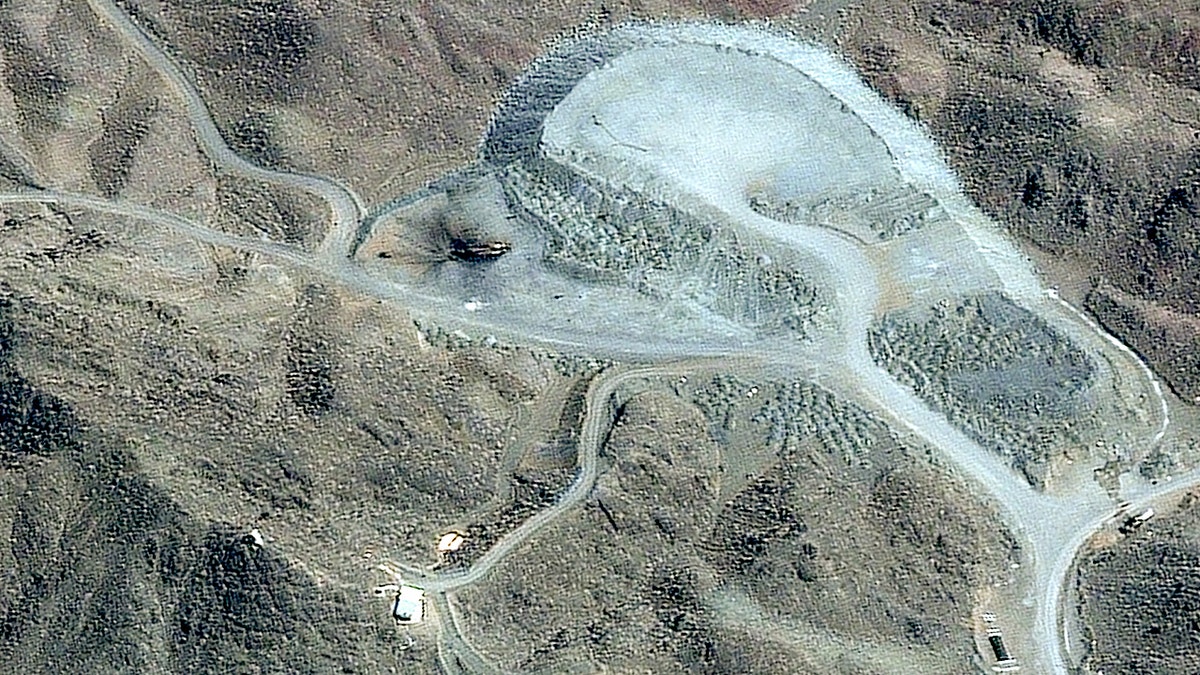
Satellite imagery shows reinforcement efforts at the Pickaxe Mountain nuclear site, a heavily fortified, deep underground tunnel complex near Iran’s Natanz enrichment site. (Vantor/Handout via Reuters)
Ruhe warned that for Israel, a “bad deal” is ultimately any agreement that restrains Israel’s future freedom of action against Iran and its proxies.
“This is one big reason Iran wants to ensnare the Trump administration in open-ended negotiations that sideline military options and create daylight between Washington and Jerusalem,” Ruhe said.