
There’s a quiet shift happening in how people approach hair loss. Instead of rushing to buy the most-advertised shampoo or booking an impulsive dermatologist visit, more people are starting with a simple question: what is actually causing my hair to fall? And increasingly, they’re turning to online hair diagnosis quizzes to begin finding that answer.
It might seem like a small thing. But the growing popularity of these quizzes points to something more meaningful about how people want to understand their own health.
The Problem With Generic Hair Advice
For years, the default response to hair fall was fairly predictable. Use an oil. Try a new shampoo. Take a biotin supplement. And if nothing works, see a doctor.
The trouble is, hair loss doesn’t work the same way for everyone. What’s causing thinning in a 28-year-old woman dealing with thyroid issues is completely different from what’s affecting a 35-year-old man with a family history of baldness. Applying the same solution to both makes no sense, yet that’s exactly what most generic advice does.
People are starting to notice this. And quizzes that ask the right questions feel like a more sensible starting point than a one-size-fits-all product recommendation.
What a Good Hair Diagnosis Quiz Actually Does
A well-designed quiz isn’t a gimmick. It functions more like a structured intake form — the kind a doctor might walk you through before making any assessment.
It gathers information across multiple areas:
- How long the hair loss has been happening
- Whether it’s diffuse (all over) or patterned (temples, crown)
- Lifestyle factors like sleep, stress, and diet
- Medical history, including hormonal changes or recent illness
- Scalp condition — oiliness, dandruff, itching
Each of these factors can point toward a different root cause. Sudden diffuse shedding after a stressful period suggests telogen effluvium. Gradual thinning at the crown with a family history leans toward androgenetic alopecia. Scalp inflammation with flaking might indicate a fungal issue affecting the hair follicle environment.
No single product addresses all of these. That’s the whole point.
Why People Trust Quizzes More Than They Used To
A few years ago, an online health quiz felt like something you’d find in a magazine sidebar — fun, but not serious. That perception has changed.
Part of it is that the quizzes themselves have gotten better. When a quiz asks nuanced questions and delivers a response that actually matches what you’ve been experiencing, it builds credibility. It feels less like content marketing and more like a conversation.
Part of it is also burnout. People have spent money on products that didn’t work, followed advice that wasn’t relevant to their situation, and cycled through recommendations from well-meaning friends and family. A tool that takes their specific inputs seriously feels like a relief.
There’s also a broader cultural shift toward personalized healthcare. People are more aware that their bodies are individual systems, not generic templates. They want answers that fit their life, not a standard protocol.
You might whant to read this as well – Long-Term Solutions for Dandruff Control.
Where Quizzes Fall Short (And What Should Come After)
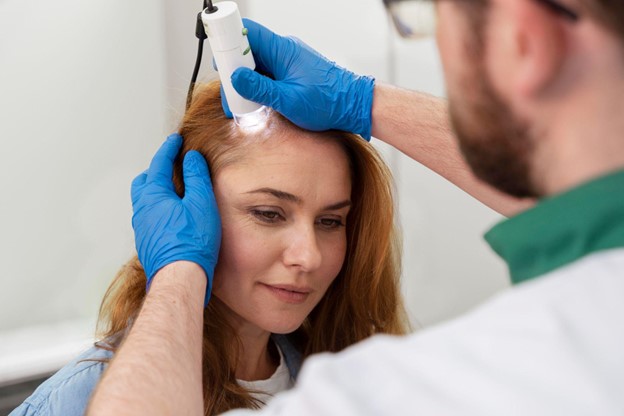
It’s worth being honest about the limits here. A quiz, no matter how thoughtfully designed, is a starting point — not a diagnosis. It can help identify likely patterns, but it can’t replace a trained clinician looking at your scalp, reviewing your blood work, or factoring in medications you might be taking.
The real value of a quiz is that it narrows the space. Instead of walking into a consultation with no framework, you arrive with better questions. You know which direction to explore. That makes the next step — whether that’s a dermatologist visit, a blood test, or a structured treatment plan — far more productive.
Some approaches, like the one behind the Traya Hair Quiz, go a step further by connecting quiz outputs to a root-cause framework that considers health, hormones, and scalp condition together — rather than treating hair loss as just a cosmetic issue.
Final Thoughts
Hair loss is rarely simple, and the solutions that work are almost never random. The reason diagnosis quizzes are catching on isn’t because they’re trendy — it’s because they reflect something people have quietly known for a while: that understanding the cause matters more than finding the fastest fix.
If you’ve been going in circles with hair fall, stepping back and asking why is usually the most useful thing you can do. A good quiz helps you do exactly that.


