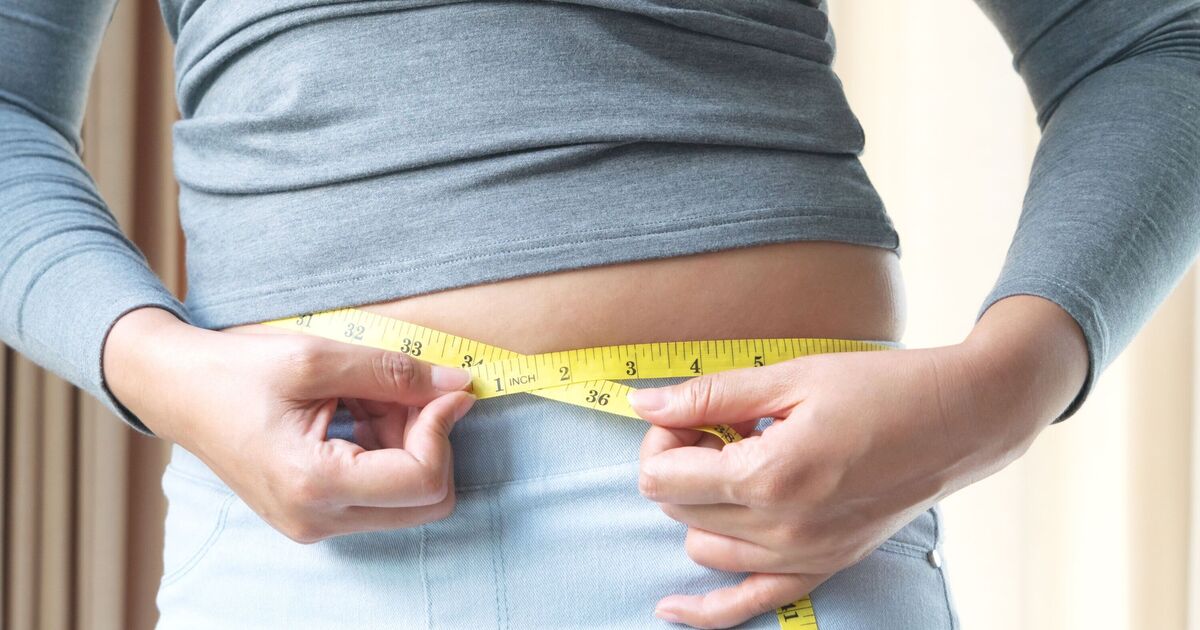

A recent study suggests that utilizing a “cooling vest” or regularly taking cold showers could enhance fat burning and support weight loss by reducing body temperature. This cooling effect is believed to activate brown fat, which functions as an internal heater by burning calories to generate warmth. Researchers are now exploring whether the same weight loss benefits might be achieved through a daily routine of cold showers.
Experts consider daily cold exposure a potentially “simple and inexpensive” addition to future weight loss strategies. Professor Helen Budge from the University of Nottingham remarked, “Mild cold exposure, such as wearing a cooling vest for a few hours each morning, has been linked to weight loss.”
“This research is significant because it demonstrates a reduction in fat mass, which is truly exciting,” she added.
“Daily exposure to cold activates brown fat, which utilizes body fat reserves to produce heat. Our ongoing study aims to contribute to the lifestyle choices available for preventing heart disease,” Budge explained.
In recent years, cold water therapy has gained substantial popularity, becoming a mainstream wellness trend.
Techniques such as cold plunges, ice water facial treatments, and ice baths are believed to enhance mental clarity and offer fat-burning and anti-inflammatory advantages.
In the trial of 47 people who were overweight or obese, half were asked to wear an “ice vest” for two hours every morning. Worn over a thin T-shirt, the vests contained pockets for frozen gel-filled ice packs which maintain a temperature of 15C.
They are typically worn by construction workers or motorcyclists in hot weather to reduce their core body temperature.
After six weeks, wearers had lost an average of 0.9kg (2lb), made up almost entirely of body fat. Those in the control group gained an average of 0.6kg (1.3lb).
Prof Budge added: “It is possible that wearing a cooling vest trains brown fat to be more active and has a healthy effect on lipids, glucose and inflammation in the body. All those things are preventative in cardiovascular disease.”
The team, involving scientists at the University of Nottingham and the Leiden University Medical Center in the Netherlands, was jointly funded by the Dutch Heart Foundation and the British Heart Foundation to investigate how the cold temperatures could reduce obesity, inflammation and prevent heart disease.
They have now recruited 34 women for a similar study of cold showers. Half will be asked to turn their showers to the coldest setting for 90 seconds every morning.
Prof Budge added: “It is our hypothesis that cold showers and cold swimming could have the same effect.”
Lead researcher Dr Mariëtte Boon, of Leiden University Medical Center, said: “The cooling vest is a much longer period of exposure than the shower.
“But on the other hand the cold shower is much colder. We will have to see if it has an impact on weight loss. We know that exposure to cold temperatures prompts the body to activate brown fat, a type of fat that burns calories to produce heat.
“We also know that exposure to the cold activates skeletal muscles. These also generate heat, amongst others via shivering, to raise the core body temperature.”
The vests were not cold enough to make people shiver and participants described them as comfortable.
Dr Boon added: “This is one of the first studies looking at the impact of cold exposure over a prolonged period of time, involving people with overweight and obesity.
“The participants found the vest comfortable to wear. Vests like this can be worn at home and so cold exposure could be a simple and inexpensive addition to lifestyle strategies for weight loss such as healthy eating and physical activity.”
The findings were presented at the European Congress on Obesity in Istanbul.